
512GB veya 1TB seçmek USB bellek üreticisi şuna bağlıdır: gerçek ve doğrulanmış kapasite, A Kalitesi NAND flash, H2testw ile tam kapasite testi, net MOQ ve fiyat kademeleri ile düzgün OEM/ODM desteği. Bir toptancı veya marka için en ucuz teklif nadiren en güvenli olandır. Doğru fabrika, sizi sahte kapasiteli belleklerden, iadelerden ve marka zararından korur.
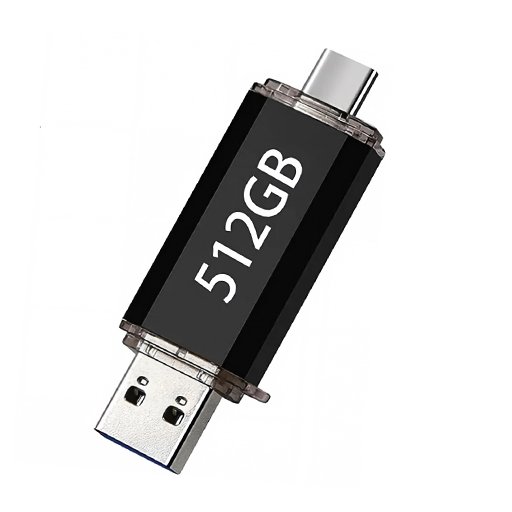
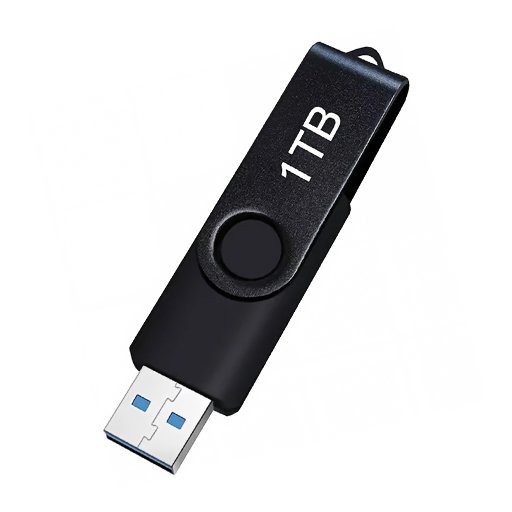
Perakendecilere satış yapıyorsanız, çevrimiçi bir mağaza işletiyorsanız veya kurumsal hediye için alım yapıyorsanız, bu rehber kapasiteyi doğrulamayı, kaliteyi değerlendirmeyi, tedarikçileri karşılaştırmayı ve özel etiketli bir siparişi doğru şekilde başlatmayı adım adım anlatır.
512GB ve 1TB USB Bellekler Neden Talep Görüyor
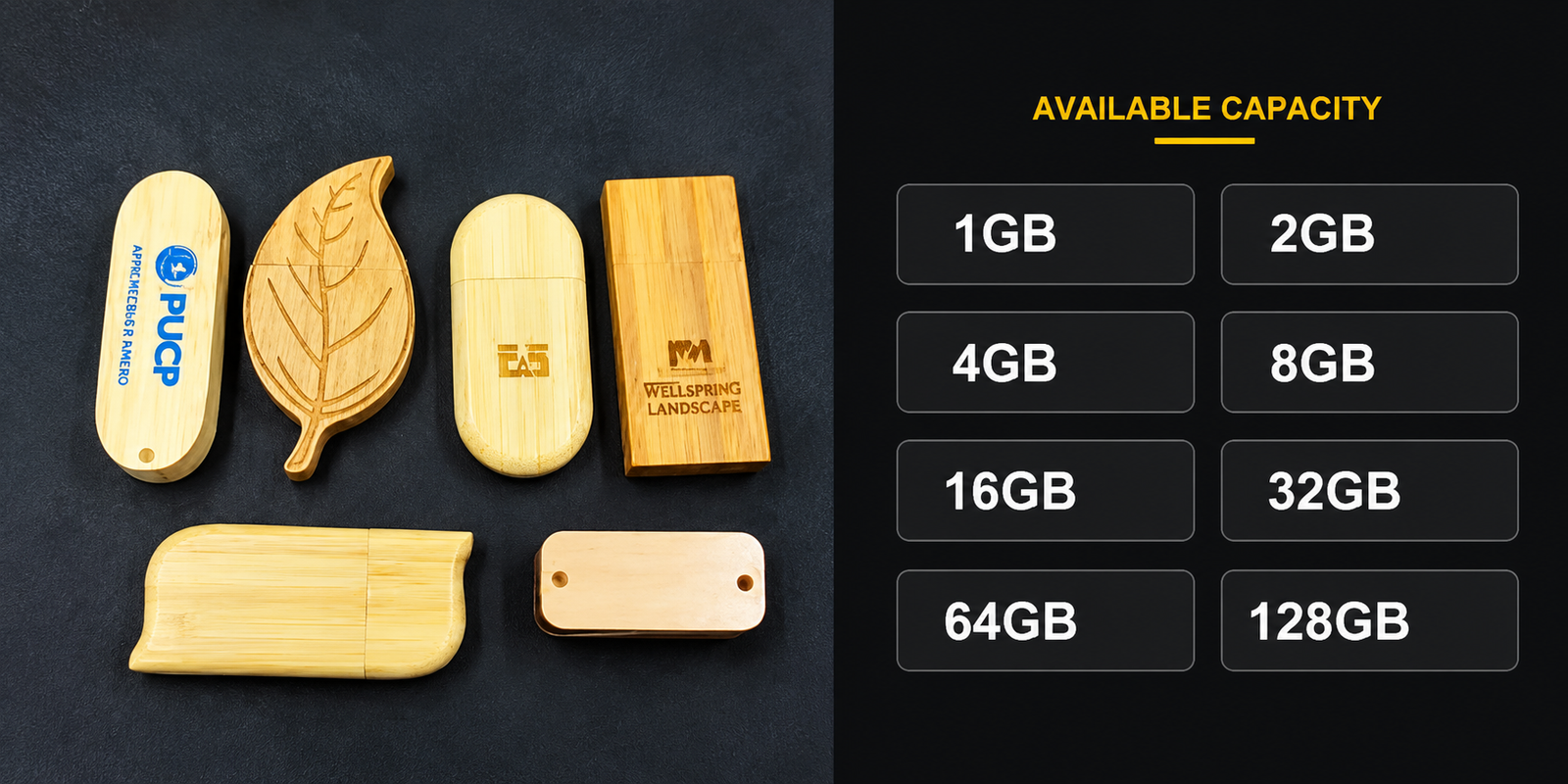
Birkaç yıl önce 16GB ve 32GB standart olurdu. Bugün alıcıların gereksinimleri çeşitli nedenlerle çok daha yüksek: dosyalar daha büyük, insanlar tek bir çubukta daha fazlasını taşıyor. Tek bir 512GB veya 1TB bellek; yüksek çözünürlüklü video, büyük fotoğraf kütüphaneleri, eksiksiz yazılım yükleyicileri, sistem kurtarma araçları, eğitim materyali ve eksiksiz proje arşivlerini bir anahtarlıkta tutabilir.
Bu talep çok farklı alıcılarda da yansımasını buluyor. Bir video veya fotoğrafçılık işletmesi, çekim materyalini teslim etmek için hızlı ve geniş kapasiteli belleklere ihtiyaç duyar. Bir yazılım şirketi, kurulum dosyalarını ve lisans dosyalarını markalı belleklerle gönderir. Okullar ve eğitim kurumları ders materyallerini bunlara yükler. Kurumsal hediyelerde de şirket logosunu taşıyan yüksek kapasiteli bir bellek, insanların saklayıp kullanacağı bir hediyedir. Bu pazarlardan herhangi birine hizmet veriyorsanız, büyük kapasiteli depolama artık niş bir gereklilik değil, ana akım gerekliliktir.
Orijinal 1TB USB bellek toptan satışta mevcut mu?
Evet, 1TB USB bellek mevcuttur ve toptan satışa sunulur. Ancak sipariş vermeden önce bilmeniz gereken bazı şeyler var. Gerçek bir 1TB USB bellek yapmak için içine 1TB gerçek NAND flash koymalı, denetleyicinin stabil olduğundan emin olmalı, tam kapasiteye kadar test etmeli ve bu kadar gerçek belleğin maliyetiyle uyumlu bir fiyat belirlemelisiniz.
Sorun şu ki piyasada çok sayıda sahte kapasiteli USB bellek var. Bunlar bilgisayarda 1TB olarak görünecek şekilde yapılandırılmıştır, ancak içindeki bellek aslında oldukça küçüktür; belki 32GB belki de 64GB. Bellek, müşteriniz gerçek kapasitenin sonuna kadar kopyalama yapana kadar iyi çalışıyor gibi görünür; ardından dosyalar kaybolur veya bozulur. Kısacası, eğer bir “1TB” bellek düşük fiyatlı bir 32GB bellek gibi maliyetle geliyorsa, o kapasite gerçekte yok demektir. Güvenilir bir tedarikçi, gerçek kapasiteyi makul bir fiyatla sunar ve bunu testlerle kanıtlar.
Sahte Kapasiteli USB Belleklerden Nasıl Kaçınılır
Sahte kapasiteden korunmak karmaşık değildir ama bunu ısrarla talep etmeniz gerekir. Temel araç, H2testw veya başka herhangi bir programla tam kapasite testidir. Sürücüdeki tüm verileri yazar ve tüm verileri geri okur; iddia edilen tüm alanın gerçekten veri içerip içermediğini keşfedersiniz. Bu şekilde test yapan bir fabrika size sonuçları memnuniyetle sunar.
Yalnızca test etmenin ötesinde, sizi güvende tutacak bazı alışkanlıklar da vardır. Tedarikçiden tüm partiyi test etmesini (yalnızca bir numuneyi değil) isteyin ve paketleme öncesi rastgele parti denetimi yaptığından emin olun. Gerçek okuma ve yazma hızlarını test edin; çünkü sahte bellekler bu şekilde de yakalanabilir. Ve bir fiyat gerçek olamayacak kadar iyi görünüyorsa, bunu bir kazanç değil uyarı olarak değerlendirin; çünkü kimse gerçek 1TB hafızayı 32GB fiyatına satmaz. Güvenilir bir üretici her ünitede 0 kapasite testi yapar; böylece sipariş ettiğiniz kapasite, müşterinizin aldığı kapasitedir.
A Sınıfı NAND Flash Bellek Neden Önemlidir
Bir USB belleğin içindeki en önemli tek parça NAND flash çiptir ve tüm NAND'ler eşit değildir. A sınıfı NAND; yeni, tamamen test edilmiş, birinci kalite bellektir. Düşük kaliteler, düşürülmüş, kısmen kusurlu veya eski ürünlerden çıkarılmış geri dönüştürülmüş çiplerdir ve bir nedenden dolayı daha ucuzdurlar.
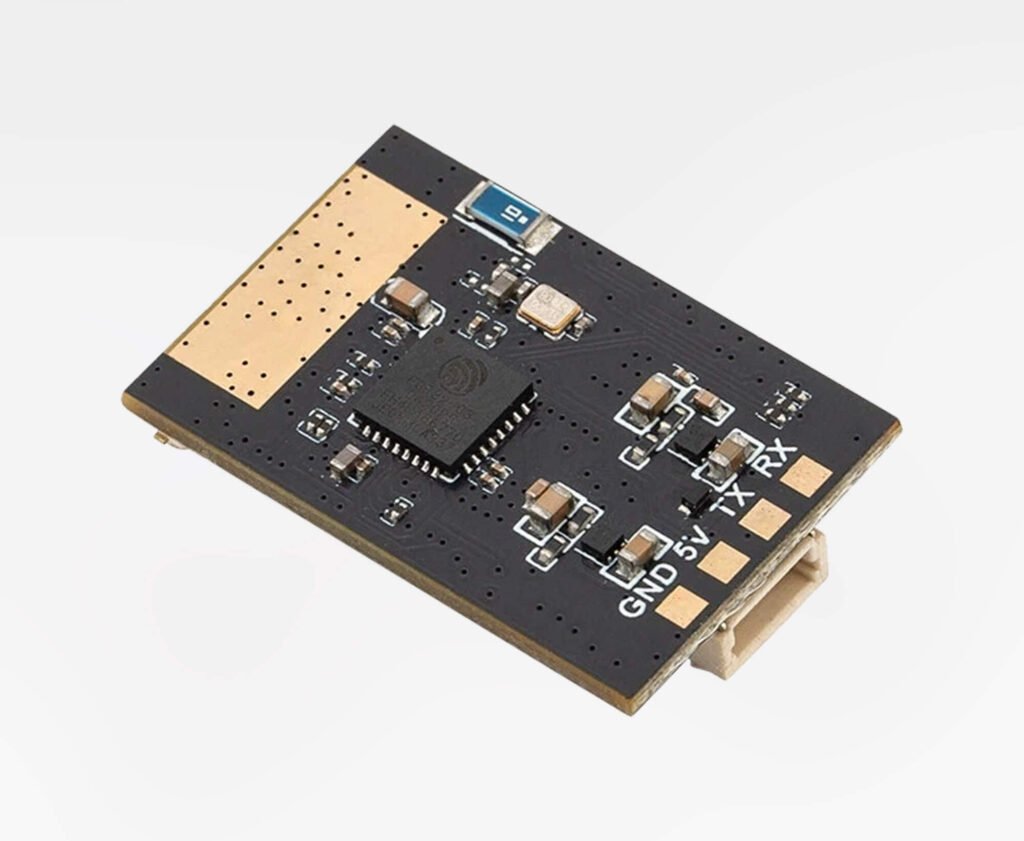
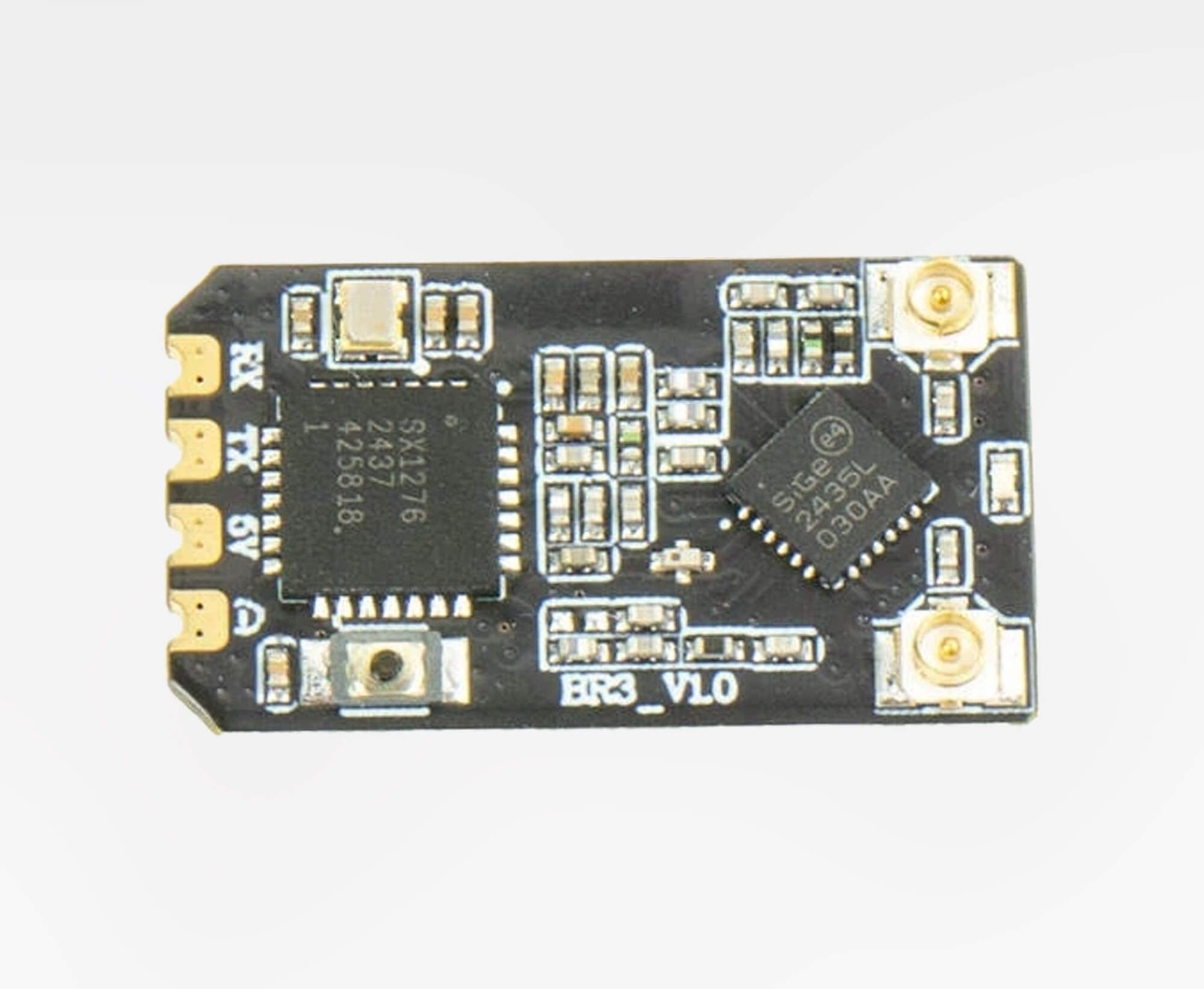
Bir toptancı veya marka için bu fark her şeydir. A sınıfı NAND size stabil hız, daha uzun ömür ve güvenli veri saklama sağlar; bu da daha az iade ve daha az sinirli müşteri demektir. Düşük sınıf veya geri dönüştürülmüş çipler erken arızalanır, yavaşlar veya veri kaybeder; bu arızaların her biri fabrikanın değil, markanızın üzerine düşer. Ciddi bir tedarikçinin bu yüzden kullandığı orijinal A sınıfı flash çipler ve tam olarak hangi kaliteyi aldığınızı söyleyebilir. Bir tedarikçi bu sorudan kaçınıyorsa, en kötüsünü varsayın.
USB 3.0, USB 3.2, USB-C ve Çift USB: Alıcılar Hangi Türü Seçmeli?
Seçtiğiniz konektör ve arayüz, satış yaptığınız pazarla eşleşmelidir. Tek bir “en iyi” tip yoktur; yalnızca alıcılarınız için doğru olan seçim vardır. İşte yaygın seçeneklerin karşılaştırması.
| Tip | Hız seviyesi | En uygun |
|---|---|---|
| USB 2.0 | Temel, en düşük maliyetli | Bütçe dostu promosyon ürünleri, küçük dosyalar, büyük promosyon serileri |
| USB 3.0/3.1 | Hızlı (3.0'da 5G bps'ye kadar) | İş kullanımı, büyük dosyalar, günlük perakende |
| USB 3.2 | Daha da hızlı | Video, profesyonel ve yüksek kapasiteli bellekler |
| USB-C(Type-C) | Hızlı, modern fiş | Telefonlar, tabletler, yeni dizüstü bilgisayarlar |
| Çift/OTG(USB-C+USB-A) | Hızlı, iki konektörlü | Telefon ve bilgisayar için tek bir bellek isteyen alıcılar |
Yüksek kapasiteli 512GB ve 1TB USB bellekler için USB 3.0 veya üzeri makul bir alt sınırdır, çünkü bu kadar veriyi USB 2.0 üzerinden taşımak can sıracı ölçüde yavaştır. Müşterileriniz modern telefon ve dizüstü bilgisayar kullanıyorsa, bir USB-C veya çift portlu bellek küçük ekstra maliyete değer. Tam kapsamlı bir üretici tedarik eder USB 3.0, 3.1, 3.2, USB-C ve çift konnektörlü modeller sunuluyor; böylece arayüzü her pazara göre seçebilirsiniz.
Okuma ve Yazma Hızı: Arayüz Neden Tek Başına Yeterli Değil
Bu, pek çok alıcının yanlış yaptığı bir şeydir. Bir listede “USB 3.2” görürler ve belleğin hızlı olduğunu varsayarlar. Ancak arayüz yalnızca yoldur, motor değil. NAND flash, kontrolör çipi, firmware ve tasarımın kalitesi, gerçek dünyadaki hız açısından eşit derecede önemlidir.
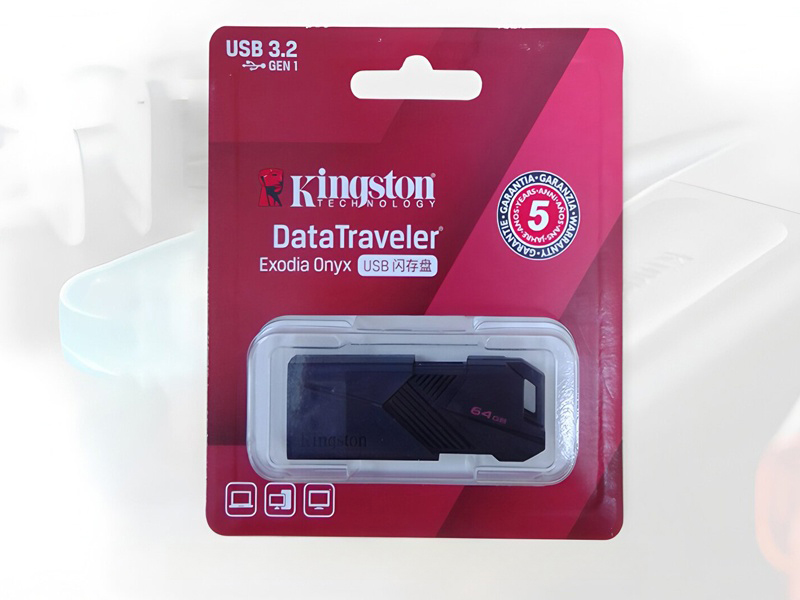
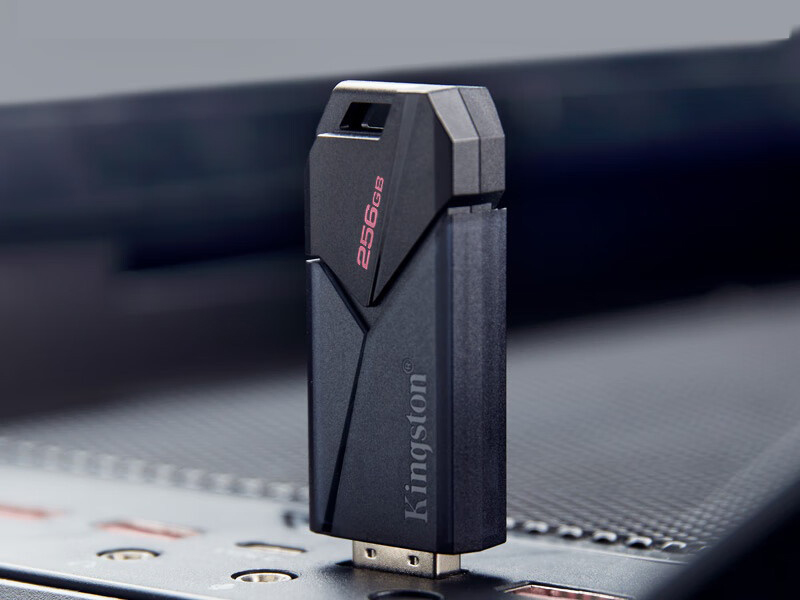
Ucuz üretilmiş bir USB 3.2 USB bellek, iyi kaliteli bir USB 3.0 bellekten bile daha yavaş çalışabilir. Bu nedenle tedarikçileri karşılaştırırken yalnızca arayüz numarasına bakmayın. Bir çipin veri sayfasında yazana değil, fiili test edilmiş okuma ve yazma hızlarını talep edin. Ne üretebileceğini bilen bir fabrika size memnuniyetle hız rakamlarını sunar.
Minimum Sipariş Adedi ve Toptan Satış Fiyat Aralıkları
Gerçek bir fabrikayla çalışmanın en iyi yönlerinden biri, küçük başlayıp satışlarınız büyüdükçe ölçeği büyütebilmenizdir. Piyasayı test etmek için devasa bir ilk sipariş vermek zorunda değilsiniz. Miktarlar genellikle şöyle dağılır.
| Miktar | Tipik kullanım | Ne işe yarar |
|---|---|---|
| Numune (1–5 adet) | Kalite kontrol | Siparişe geçmeden önce kapasite, hız ve yüzey kaplamasını test edin |
| ~100 adet | Pazar testi | Ürünün nasıl satıldığını görmek için küçük bir ilk üretim partisi |
| ~500 adet | Küçük ölçekli toptan satış | Ürünün nasıl satıldığını görmek için küçük bir ilk üretim partisi |
| ~1.000 adet | Marka lansmanı | Daha iyi fiyatlarla markalı bir ürün serisi başlatmak |
| 5.000+ adet | Bayi seviyesi | Ciddi hacimler için en iyi birim fiyatlandırma |
Çoğu fabrikada MOQ, stok model için yaklaşık 50 adet, özel kalıplı şekil için 100 adetle başlar ve özel kalıplar tek seferlik bir ücret taşır. Fiyatlandırma kapasiteye, gövde malzemesine, arayüze ve ambalaja bağlıdır; bu yüzden ne kadar çok detay paylaşırsanız, teklifiniz o kadar isabetli olur. Maliyeti nelerin belirlediğine dair daha kapsamlı bir döküm için bizim özel USB bellek maliyet rehberi.
OEM ve Özel Marka Kişiselleştirme Seçenekleri
Kendi markanızı kuruyorsanız, USB belleğin fabrikanın değil sizin gibi görünmesi gerekir. OEM ve ODM desteğinin önemi tam da burada yatar. Tam hizmet veren bir üretici, yalnızca logodan çok daha fazlasını özelleştirmenize imkan verir.
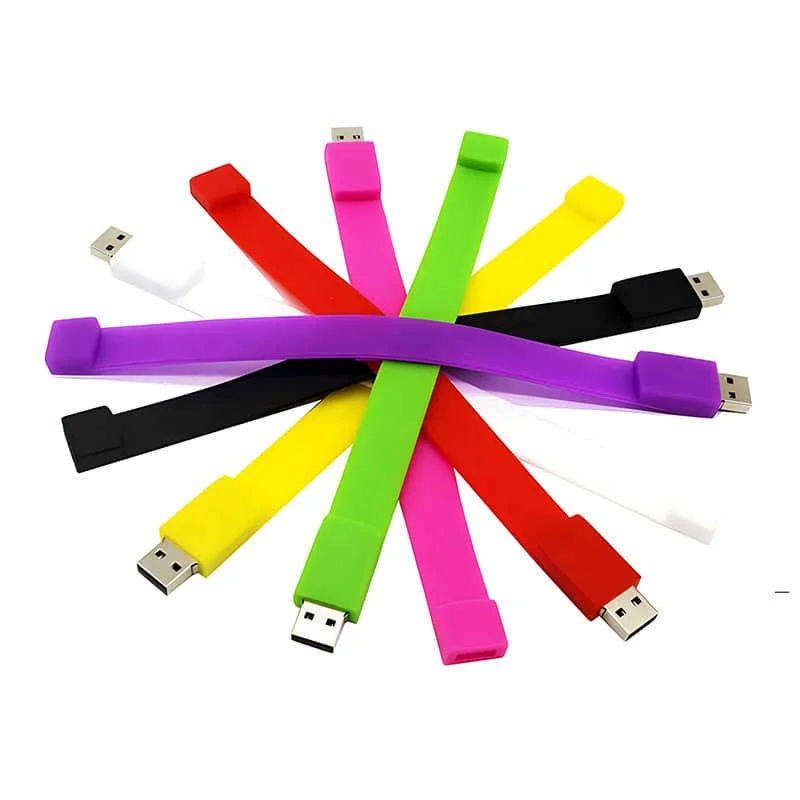
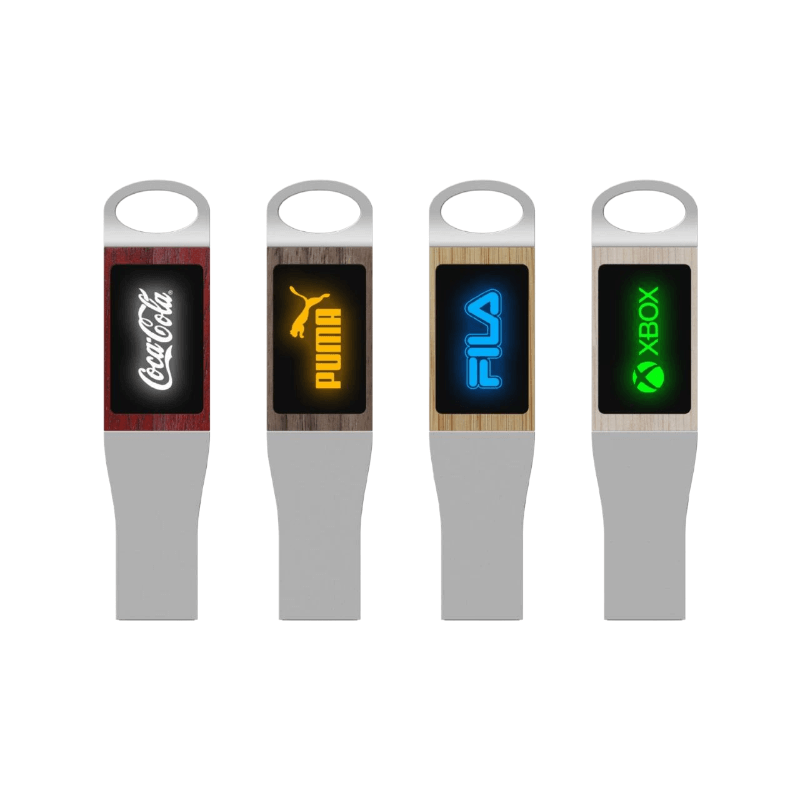
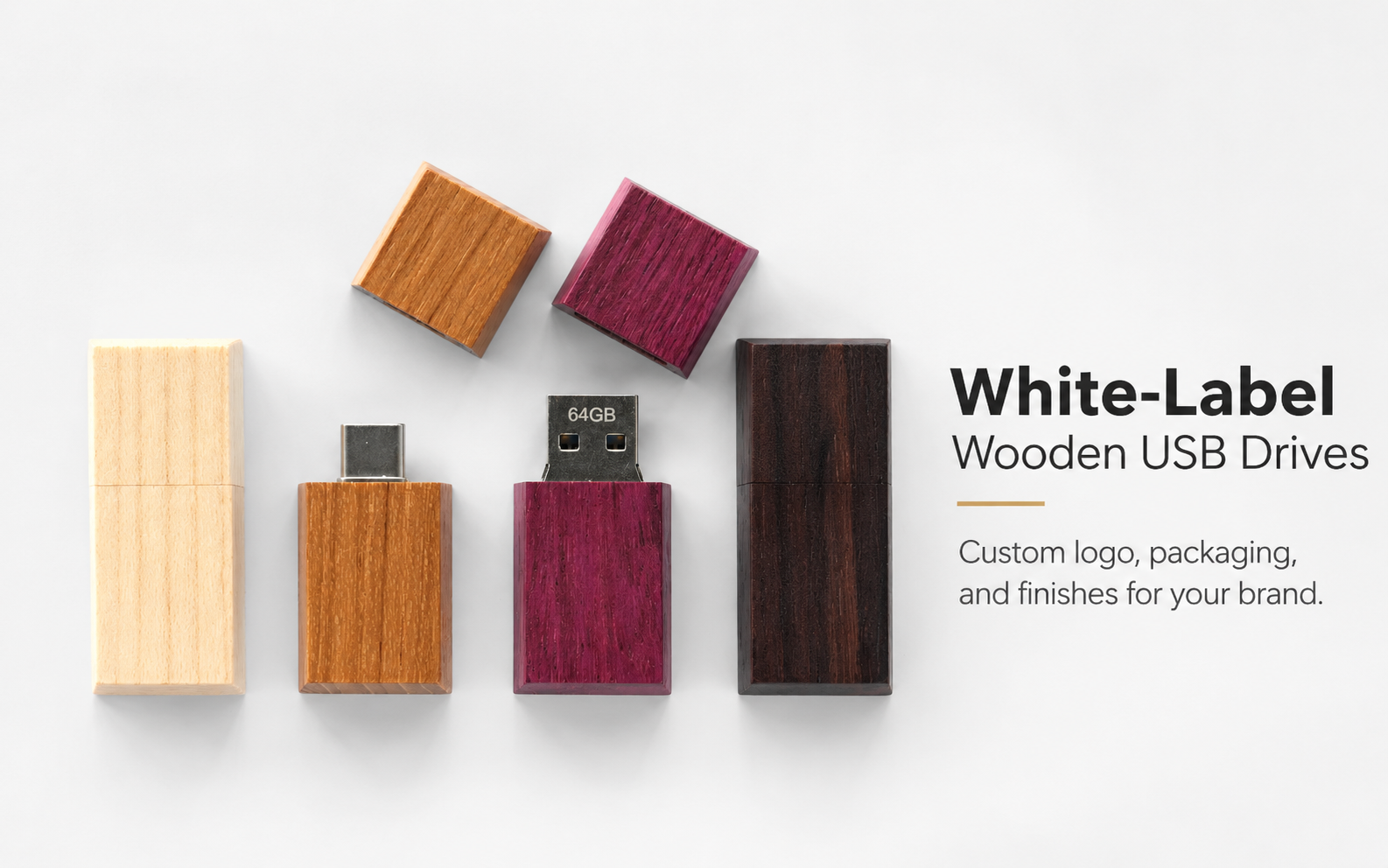
Kendi ... koyabilirsiniz özel logo USB bellek üzerine lazer kazıma, renkli veya UV baskı ya da epoksi reçine kaplama ile. Kabuk rengini ve malzemeyi, plastik ve PVC’den metale, ahşaba veya deriye kadar seçebilirsiniz. Kapasite ve arayüz seçimi yapabilir, tasarım özel ambalaj hediye kutusu veya sade özel markalı kutu gibi, ayrıca barkod veya kullanım kılavuzu ekleyin. Benzersiz bir görünüm için kendi şeklinizde özel bir kalıp bile açabilirsiniz. A tam kapsamlı hizmet veren üretici tüm bunları tek noktadan OEM ve ODM olarak, ideal olarak tasarım desteğiyle sunar; böylece büyüyen bir marka, profesyonel bir ürün hattını birkaç tedarikçiden parça parça toplamadan hayata geçirebilir.

Lazer kazıma
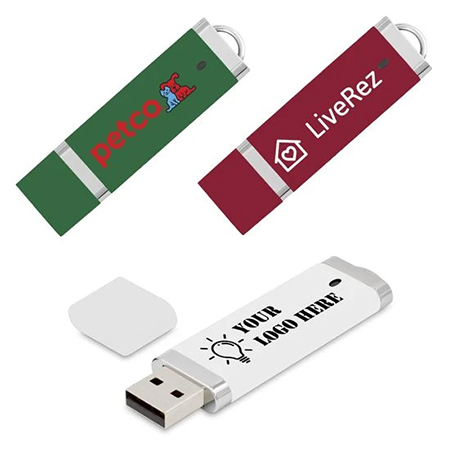
UV baskı
Renk
Yüksek Kapasiteli USB Bellek için Kalite Kontrol Süreci
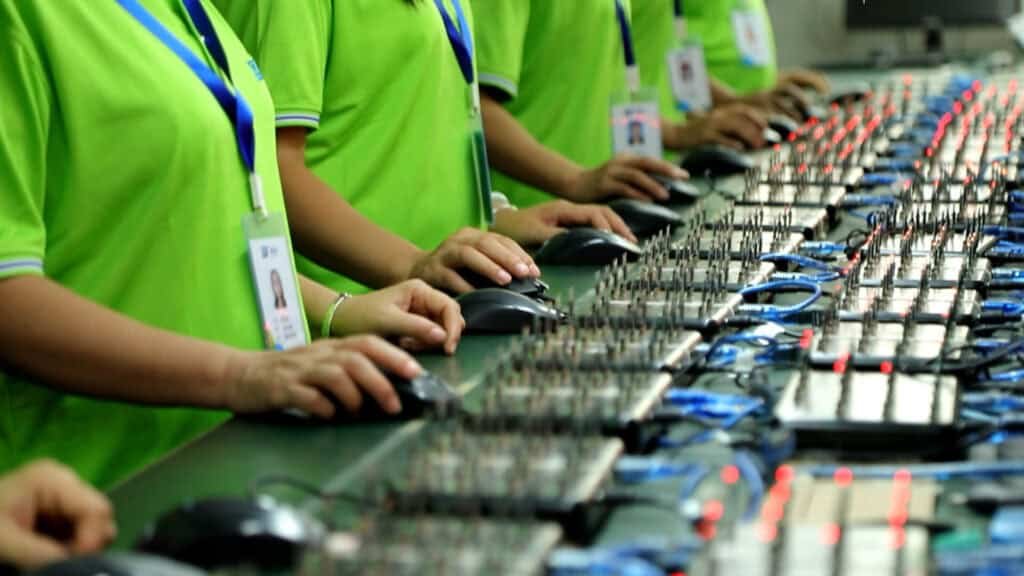
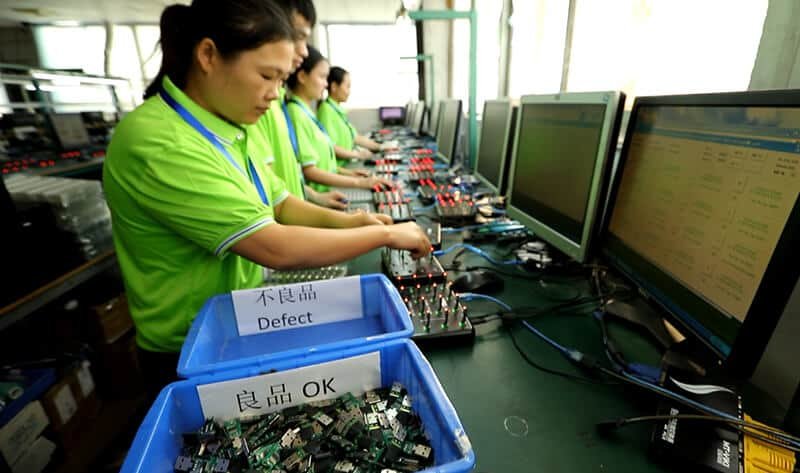
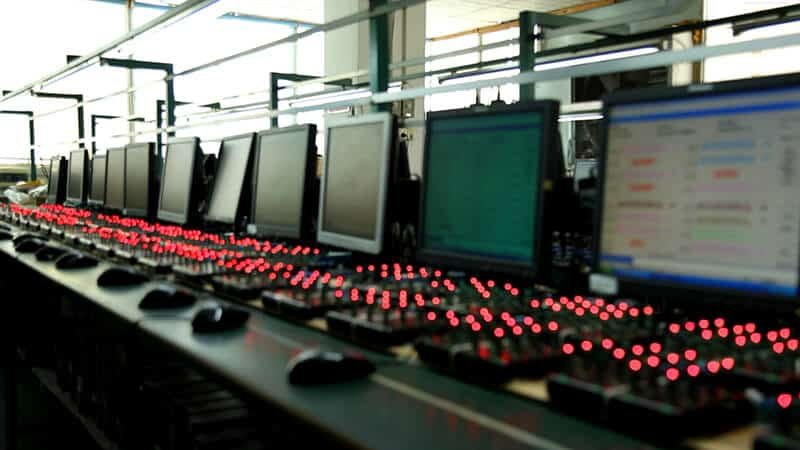
Yüksek kapasiteli USB bellekte, iyi tedarikçilerin öne çıktığı nokta kalite kontroldür. Sahte kapasite ve erken arıza riski gerçektir; bu nedenle testlerin kapsamlı olması gerekir. Düzgün bir süreç, gelen malzeme kontrolüyle başlar ve kutuya kadar devam eder.
Gelen flash çipleri ve bileşenleri kontrol edilerek ve her flash çipinin test edilmesiyle başlar. Bu, talep edilen tüm kapasitenin doğrulanmasını sağlamak için H2testw ile kapasite doğrulaması ve bitmiş ürün üzerinde okuma/yazma hızı testi yapılarak gerçekleştirilir. Bir yaşlandırma (burn-in) testi erken arıza verecek üniteleri yakalar; son paketleme denetiminden önce bir görünüm kontrolü de kozmetik kusurlu olanları ayıklar. En iyi sağlayıcılar birden fazla 0 test seansı ve H2 yazılım doğrulaması yapar; bu da bir toptan siparişin gerektirdiği güvenlik düzeyidir.
Numune, Teslim Süresi, Garanti ve Sevkiyat Koşulları
Büyük bir sipariş vermeden önce mutlaka bir numuneyi kontrol edin – iyi bir fabrika bunu her zaman yapabilmelidir. Ücretsiz veya düşük maliyetli numune sunan ve bunları hızla teslim edebilen bir fabrika, satın almadan önce kapasiteyi, hızı ve yüzey kalitesini kendiniz değerlendirmenize imkân tanır.
Üretim süresi, miktara ve istenen özelleştirme seviyesine göre değişir; lütfen teklif isterken üretim süresini teyit edin. Garantiye dikkat edin - yapım kalitesine duyulan güvenin iyi bir göstergesi olduğundan en az beş yıl olmak üzere çok yıllı bir garanti istersiniz. Genellikle EXW, FOB ve CIF gibi teslim koşulları vardır; en yaygın kullanılan teslim koşulu FOB Shenzhen'dir, fabrika uluslararası nakliye sunabilir. Teslim süresi ve garanti gibi yazılı olmayan hiçbir koşula veya şarta asla onay vermeyin.
Uzun Vadeli Toptan Satış ve Distribütör İş Birliği
Bu yalnızca ilk sipariş. İyi bir üreticinin gerçek faydası zamanla ortaya çıkar: istikrarlı bir tedarikçi, kesintisiz tedarik demektir; her sezon yeniden tedarikçi arama derdi yoktur ve artan hacimlerle daha iyi oranlar elde edilir.
İyi bir partner ayrıca sizi yeni modeller ve tasarımlar hakkında bilgilendirir, ürün yelpazesi genişledikçe ambalaj ve markalaşma konularında size yardımcı olur ve stok acil gerektiğinde size öncelikli üretim sağlar. Tek seferlik düşük fiyatlı bir tedarikçi size bu tür bir bağ kuramaz; markanız veya distribütörlüğünüz için istikrarlı bir partner riskinizi azaltır ve güvenle planlama yapmanızı mümkün kılar. En iyi üreticilerin tedarik ettikleri markalarla kurduğu ilişki türü budur – uzun vadeli olan.
512GB ve 1TB USB Bellek Sipariş Etmeden Önce Neleri Doğrulamalısınız
Doğru bir teklif ve güvenebileceğiniz bir ürün için bu noktaları herhangi bir tedarikçiye iletin:
- Gerçek, doğrulanmış kapasite. Yalnızca bir numune değil, tüm parti için tam kapasiteli H2testw testi isteyin; böylece belirtilen alanın tamamının gerçekten veri tuttuğunu bilirsiniz.
- A Sınıfı NAND flash. Çip sınıfının yazılı teyidini alın; çünkü bu, hız, ömür ve iade oranınızı belirleyen faktördür.
- Gerçek okuma ve yazma hızı. Bir çipin teknik belgesinden kopyalanan rakamları değil, gerçek ürün üzerinde ölçülen test edilmiş hızı isteyin.
- USB arayüzü. Türü (3.0, 3.2, USB-C veya çift) doğrulayın ve pazarınızın gerçekten kullandığı cihazlarla eşleştirin.
- Minimum sipariş adedi ve fiyat kademeleri. Minimum sipariş adedini ve fiyatın 100, 500, 1,000 ve 5,000 adette nasıl düştüğünü kontrol edin; böylece ilk üretiminizi ve ölçeklendirmenizi planlayabilirsiniz.
- OEM/ODM kapsamı. Bir tasarıma karar vermeden önce logo yöntemini, gövde malzemesini, rengi ve ambalaj seçeneklerini onaylayın.
- Üretim öncesi bir numune. Toplu üretimden önce her zaman gerçek bir numuneyi onaylayın; böylece gerçek kapasiteyi, hızı ve yüzey kaplamasını onaylamış olursunuz.
- Garanti koşulları. Net bir çok yıllık garanti arayın, ideal olarak yaklaşık beş yıl, ve kapsamı yazılı olarak alın.
- Teslim süresi ve nakliye. Üretim süresini ve nakliye koşullarınızı (EXW, FOB veya CIF) baştan, yazılı olarak doğrulayın.
- Pazarınız için sertifikalar. Belleklerin, varış ülkenizin ihtiyaç duyduğu CE, RoHS ve FCC gibi belgeleri taşıdığından emin olun.
YOUSAN ile Çalışma Nedenleri
Yukarıdaki her şey, güvenilir bir üreticinin sunması gerekenleri tanımlar. YOUSAN, bu noktaların her birini karşılayan Shenzhen merkezli bir USB bellek üreticisidir: 15 yılı aşkın üretim deneyimi, kendi bünyesinde kalıp ve montaj, 0 H2testw testinden geçmiş orijinal A sınıfı çipler, gerçek 512GB, 1TB ve 2TB kapasiteler, 5 yıl garanti ve BSCI, SGS, UL, ISO9001, CE, RoHS ve FCC sertifikalarının tamamı. Mercedes-Benz, Coca-Cola, Nikon, Huawei ve Panasonic gibi markalar burada özel bellekler sipariş etti.
Bize yalnızca kapasitenizi, arayüzünüzü, miktarınızı, markanızı ve hedef pazarınızı söyleyin; fabrika fiyatıyla bir teklif, ücretsiz tasarım ve markanıza özel bir numune alın. Bize ulaşın USB bellek siparişinize başlamak için.

FAQ
Orijinal 1TB USB bellekler toptan satış için mevcut mu?
Evet. Gerçek 1TB bellekler, gerçek 1TB NAND flash, kararlı bir denetleyici ve tam kapasite testi gerektirir ve buna göre fiyatlanır. Bir «1TB» bellek 32GB olan kadar ucuzsa kapasite sahtedir. Kapasiteyi H2testw ile doğrulayan bir tedarikçiden satın alın.
Alıcılar bir USB belleğin gerçek kapasiteye sahip olup olmadığını nasıl kontrol edebilir?
H2testw veya benzeri bir araçla tam kapasite testi yapın. Gerçek kullanılabilir alanı doğrulamak için belleğin tamamına veri yazar ve okur. Sevkiyattan önce fabrikadan yalnızca tek bir numune değil, tüm partinin test edilmesini isteyin.
A Sınıfı NAND flash bellek nedir?
A sınıfı NAND, yeni, birinci kalite, tamamen test edilmiş flaş bellektir. Düşük sınıfa indirilmiş veya geri dönüştürülmüş çiplere kıyasla daha kararlı hız, daha uzun ömür ve daha güvenli veri depolama sunar; bu da daha az iade anlamına gelir. A sınıfı çip aldığınızı her zaman yazılı olarak teyit ettirin.
USB 3.0, USB 3.2 ve USB-C bellekler arasındaki fark nedir?
USB 3.0 ve 3.2 arayüz hızlarıdır; 3.2 daha hızlıdır. USB-C ise modern telefon ve dizüstü bilgisayarlara uyan bir konnektör türüdür. 512GB ve 1TB bellekler için aktarımlar yavaş kalmasın diye USB 3.0 veya daha üstünü seçin; müşterileriniz daha yeni cihazlar kullanıyorsa USB-C ekleyin.
USB bellekler için özel logo ve paketleme siparişi verebilir miyim?
Evet. Logonuzu lazer kazıma, baskı veya epoksi reçine ile ekleyebilir, gövde rengini ve malzemeyi seçebilir, özel tasarım veya sade özel markalı ambalaj tasarlayabilirsiniz. Tam hizmet veren bir üretici, tasarım desteğiyle birlikte OEM/ODM sunar.
Yeni bir teknoloji markası için hangi minimum sipariş adedi uygundur?
Yaklaşık 100 adetlik ilk üretim, pazarı test etmek için mantıklı bir yoldur. Satışlar arttıkça 500, 1,000 ve 5,000+ adet, adet başına daha iyi fiyatların kilidini açar. Minimum sipariş adedi genellikle stok modelde 50 adet, özel şekilde ise 100 adetten başlar.
Seri üretim genellikle ne kadar sürer?
Bu, adede ve kalıp veya özel ambalaj gibi özelleştirme düzeyine bağlıdır. Teklifinizi isterken kesin teslim süresini fabrikayla teyit edin ve kargo koşullarıyla birlikte yazılı olarak alın.
Toptan alıcılar hangi garantiyi beklemeli?
Gerçek testlerle desteklenen net, çok yıllı bir garanti arayın. Beş yıllı garanti iyi bir referans noktasıdır ve genellikle A sınıfı çipleri ile tam kapasite doğrulamasını yansıtır.

 Türkçe
  English
  Español de México
  Italiano
  Deutsch (Österreich)
  Русский
  Français
  Bahasa Melayu