
Импорт USB-флешек из Китая в Мексику связан с особыми требованиями. Как производитель USB-флешек с 15-летним опытом производства, YOUSAN дает важные советы, которые помогут вам подготовиться к квалификационному соответствию, таможенному оформлению в Мексике, соответствию продукции и расчету затрат. Это гарантирует, что ваша продукция отвечает местным торговым правилам и требованиям рынка, обеспечивая гладкое прохождение таможни и эффективные торговые закупки.
1. Налоги и пошлины
- Код HS Code обязателен: номер HS Code для USB-флешек на самом деле 8523.5110. Неверная декларация HS Code может привести к различиям в пошлинах или штрафам от таможни.
- Стратегия декларирования: делайте правдивые декларации, чтобы избежать штрафов; рассмотрите возможность разбивки импорта на партии для снижения налогов с отдельной поставки.
- Выбор режима торговли:
Объём: Большие партии (> 5 000 шт.); Стоимость/Скорость; Приоритет; Комментарий; морская доставка + таможенное оформление
Мелкие и средние партии товара: предпочтительны услуги логистики DDP для упрощённого таможенного оформления.
Образцы/тестовые заказы: Используйте международные службы доставки, такие как FedEx/UPS. Дороже, но быстрее.
2. Сертификация NOM: ключ к доступу на рынок
Нет сертификации = нет таможенной очистки. USB-флешки должны соответствовать стандарту NOM-003-SCFI-2014.

- Основные требования к сертификации:
Необходимо назначить местного представителя в Мексике (RMF), который будет заниматься подачей заявок и последующим соблюдением требований.
Необходимо, чтобы продукция имела знак NOM и номер сертификата.
Испанская маркировка и инструкции также обязательны, то есть ни тем, ни другим нельзя пренебречь.
Обязательным является соответствие требованиям электробезопасности, испытаниям на ЭМС (электромагнитную совместимость), а также испытаниям на механическую безопасность. - Процесс сертификации включает следующие шаги: «Подготовка образцов + документы на испанском» → «Тестирование в аккредитованной мексиканской лаборатории (около 4-6 недель)». Срок действия сертификата составляет от 1 до 5 лет с
- Стоимость: приблизительно от 2 000 до 5 000 долларов США за модель для тестируемой продукции.
- Предупреждение о риске: USB-флешки без сертификации будут задержаны на таможне со штрафом до 200% стоимости товара.
3. Логистика и таможенное оформление: контроль сроков и затрат
Сравнение логистических решений:
| Способ транспортировки | Сценарии применения | Цикл | Стоимость | Ключевые особенности |
| Морская перевозка (FCL) | Большие объемы (≥1000 единиц) | 35-45 дней | Самый низкий | Требуется официальное таможенное оформление; рекомендуется страхование груза |
| Авиаперевозка | Срочные допоставки/тестирование новой продукции | 5-10 дней | Medium-High | Подходит для образцов и дорогостоящих товаров; быстрое оформление |
| Курьерская доставка (DHL/UPS) | Малые объёмы (<500 шт.) | 3-7 дней | Максимальный | Таможенная очистка включена; идеально для пробных заказов и образцов |
| Железнодорожно-морские интермодальные перевозки | Приоритет экономической эффективности | 25-35 дней | Средний | Требуется предварительное планирование; поддерживается отдельными портами |
Необходимые документы для таможенного оформления:
- Коммерческий инвойс (на испанском или английском языке)
- Упаковочный лист
- Коносамент / авианакладная
- Оригинальный сертификат соответствия NOM
- Сертификат происхождения (если применимо)
- Идентификационный номер налогоплательщика RFC мексиканского импортёра (обязательно)
Рекомендации по упаковке:
- Антистатическая защита необходима для предотвращения повреждений при транспортировке.
- Контролируйте вес каждой коробки в пределах 20kg для удобства обращения.
- Маркируйте внешние коробки метками “Хрупкое” и правильными знаками штабелирования.
- Содержимое USB должно быть законным, без пиратского ПО и запрещенной информации.
4. Оплата и финансовые договорённости
Рекомендуемые способы оплаты:
- T/T (телеграфный перевод):
Чаще всего используется. Предлагаем 30% предоплаты + 70% по копии коносамента.
PayPal: В основном используется для мелких закупок или заказов образцов. Поддерживает несколько валют, но комиссии очень высокие — 4-6%. - Локальные платёжные решения:
Получайте песо через мексиканского локального платёжного партнёра XTransfer, чтобы обойти потери на обмене валют и комиссии, связанные с трансграничными платежами.
Аккредитив (L/C): применяется для крупных сделок. “Мягких условий” следует избегать с максимальной осторожностью.
Контроль обменного курса и затрат:
- Рассмотрите возможность фиксации валютного курса или частичных платежей, чтобы минимизировать риски колебания песо.
- Логистика + пошлины + сертификационные сборы, составляющие около 40-60% стоимости товара, должны быть полностью учтены при ценообразовании.
- Во время переговоров о цене четко проговорите с поставщиками распределение налогов и логистических расходов.
5. Соответствие продукции и локализация
Ключевые моменты адаптации для мексиканского рынка:
- Напряжение/частота: Напряжение/частота в Мексике — 127V/60Hz. USB-устройства должны быть совместимы, иначе они не будут работать.
- Требования к языку: на упаковке и продукции должны присутствовать предупреждения и меры предосторожности на испанском языке. Руководства по эксплуатации должны быть написаны на испанском; желательно, чтобы они также были на английском.
- Язык интерфейса: если есть дисплей, наличие испанского языка обязательно.
- Стратегия характеристик продукта:
- Объём памяти:Основной спрос варьируется от 16GB до 128GB.
Интерфейс: рекомендуется использовать USB 3.0 или более быстрые высокоскоростные интерфейсы для совместимости с распространенными в Мексике устройствами.
Дополнительные функции: добавление шифрования данных — хорошая идея, поскольку рынок продаж зашифрованных USB-накопителей в Мексике стремительно растет
6. Выбор поставщика и контроль качества
Отбор квалифицированных поставщиков:
- Ключевые моменты проверки завода:
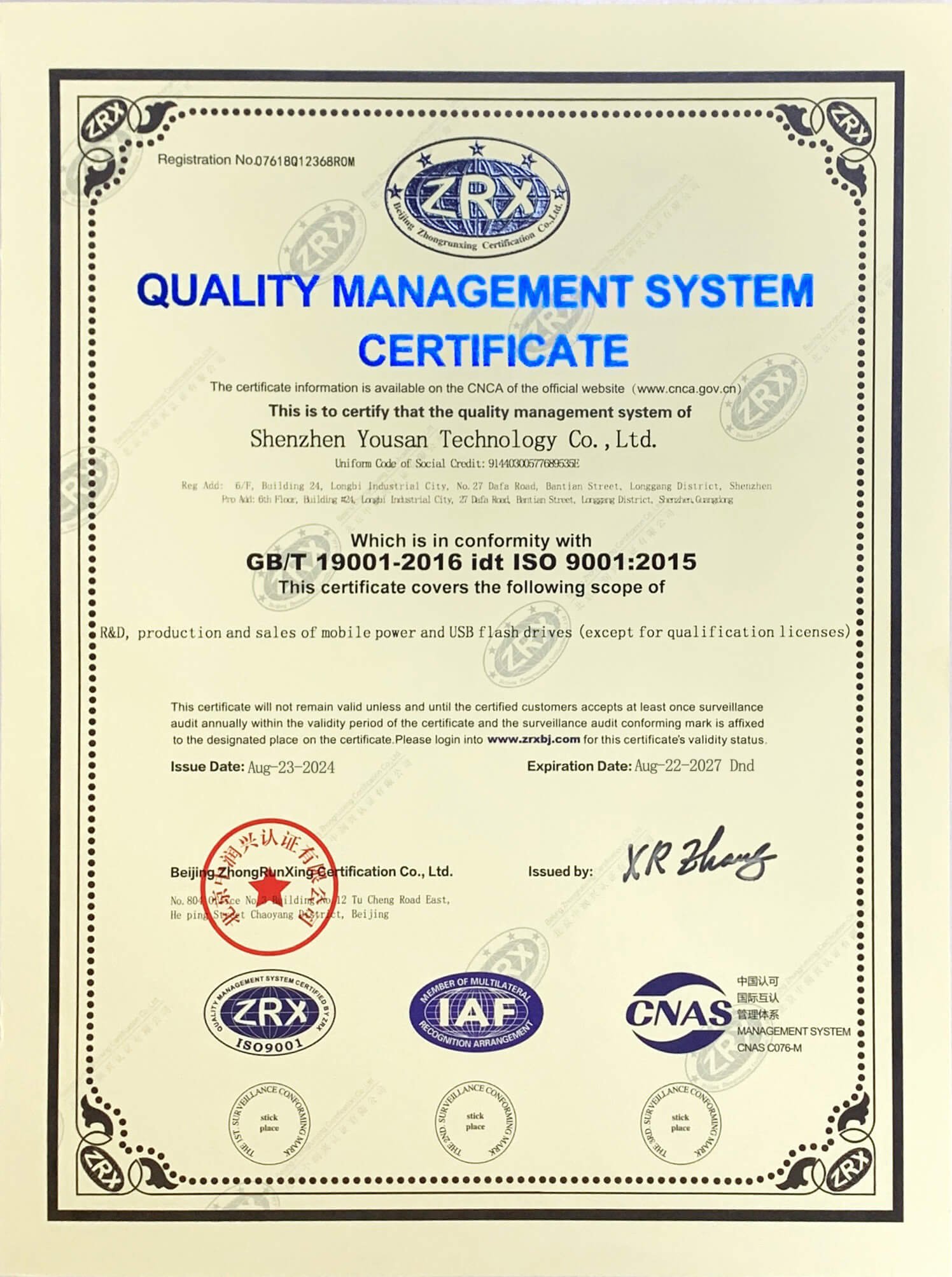
Ознакомьтесь с сертификатом ISO 9001, гарантирующим качественный производственный процесс.
Отдавайте предпочтение производителям с опытом продаж в Мексике — они знакомы со стандартами сертификации.
Проводите заводские инспекции на месте или в формате видео, чтобы проверить качество производственного оборудования и процессов. - Пример процесса тестирования:
a. Тестирование первичных образцов (5–10 шт.): скорость чтения/записи, совместимость, стабильность.
b. Тестирование на локальных устройствах (компьютерах, телевизорах, автомобильных системах и т. д.), доступных в Мексике.
c. Испытания в экстремальных условиях: высокая температура (40℃+), низкая температура (-10℃), влажность.
d. Заключите контракт о гарантии качества до начала массового производства, определив уровни дефектов и условия возврата/обмена.
Стратегия заказа:
- Новые продукты: ограничивайте пробные заказы 500-1,000 шт.; наращивайте объемы после проверки реакции рынка.
- Регулярная продукция: размещайте заказы партиями на основе прогнозов продаж, чтобы избежать затоваривания склада.
- Установите долгосрочное сотрудничество с надежными поставщиками, чтобы получить ценовые преимущества и приоритетное право на производство.
7. Расширение рынка и структура каналов сбыта
- Особенности рынка USB-флешек Мексики:
- Иерархические каналы розничной торговли относятся к
Крупные сети (Walmart, Soriana): Большие объемы продаж при низкой марже (5-10%). Подходит для дистрибуции стандартизированной продукции.
Специализированные магазины электроники, такие как Steren: Размер прибыли (15-25%), где продукция среднего и высокого сегмента будет хорошим выбором.
Онлайн-маркетплейсы – такие как MercadoLibre – стали одними из самых быстрорастущих каналов, идеально подходящих для тестирования новых продуктов и нишевых товаров. - Сегменты клиентов:
Образовательные учреждения: крупные стабильные заказы, чувствительны к цене, ценят долговечность.
Корпоративный рынок: Многие требования высокой степени персонализации, такие как печать логотипа, установка программного обеспечения, большие объёмы заказов. Личное потребление: акцент на дизайне и доступной цене, что обусловлено социальными сетями.
Стратегия дифференцированной конкуренции:
- Предоставляем услуги по персонализации: Индивидуальные логотипы, выполненные лазерной гравировкой, предустановленное программное обеспечение
- Дополнительные услуги: Службы резервного копирования данных, решения по шифрованию, технические горячие линии для поддержки.
- Продажа комплектами: Комплектуйте продукт с компьютерными аксессуарами, мобильными телефонами и другими товарами, чтобы повысить ценность заказа.
Мексики USB-флешка рынок прибылен, но отличается высокими порогами соответствия и затратами. Чтобы преуспеть даже в самом простом сегменте USB-накопителей, нужно начать с сертификации NOM и иметь надежный способ расчета налогов с учетом разнообразия таможенных стоимостей в Мексике. Также потребуется хорошее логистическое решение (рекомендуем экспедиторов с опытом поставок USB-накопителей в Мексику) и локализация продукции. Новичкам (и ветеранам «серого импорта») мы настоятельно советуем воспользоваться сервисом DDP производителя и привезти первые несколько сотен штук в качестве тестовых образцов, прежде чем начинать массовый импорт.
 Русский
  English
  Español de México
  Italiano
  Deutsch (Österreich)
  Français
  Türkçe
  Bahasa Melayu