
Three things go wrong most often when clés USB en bois ship in bulk: the wood surface picks up scratches from rubbing against other units, caps or swivel covers pop open in transit and get lost or damaged, and the outer carton itself arrives crushed or dented. Each has a different fix, and all three need to be planned before the order ships, not discovered after a damaged batch arrives.
Wood scratches differently than metal or plastic
A painted metal casing or a molded plastic shell tolerates surface contact that a natural wood finish doesn’t handle the same way. Coated or oiled wood can pick up fine scratches from unit-to-unit friction inside a box, especially over a long sea freight leg with continuous low-level vibration. This isn’t a defect in the wood. It’s a property of the finish, and it means bulk wooden orders need individual protection that a plastic promotional item might skip.
Protect each unit individually before it goes in the master carton
Each drive and its matching box should travel in its own small poly or OPP bag, separate from the unit next to it. That single layer stops direct wood-on-wood contact, which is where most in-transit scratching actually happens. Inside a shipping carton, individual units then need their own cavity, typically a die-cut foam insert or a corrugated divider, so units can’t shift and knock against each other once the carton is sealed and stacked.
This two-layer approach, an individual wrap plus a fitted cavity in the outer carton, is standard practice across bulk small-electronics shipping generally, not a claim specific to any one supplier. A packaging transit test is already one of the function checks worth confirming before an order ships, alongside the material and insert options covered in this packaging materials overview. Ask whichever factory you’re working with which of the two protection layers they include by default and which is an added-cost option.
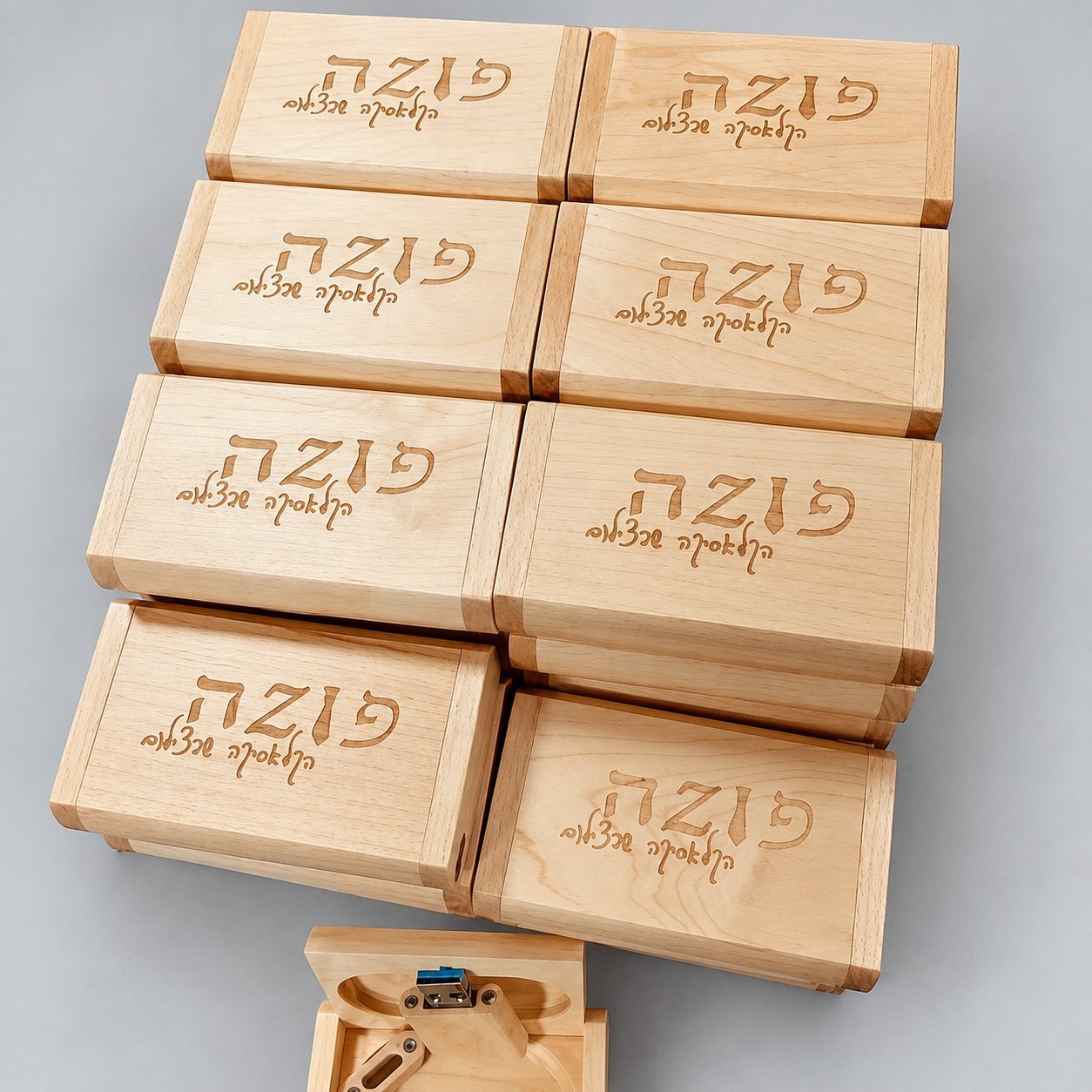
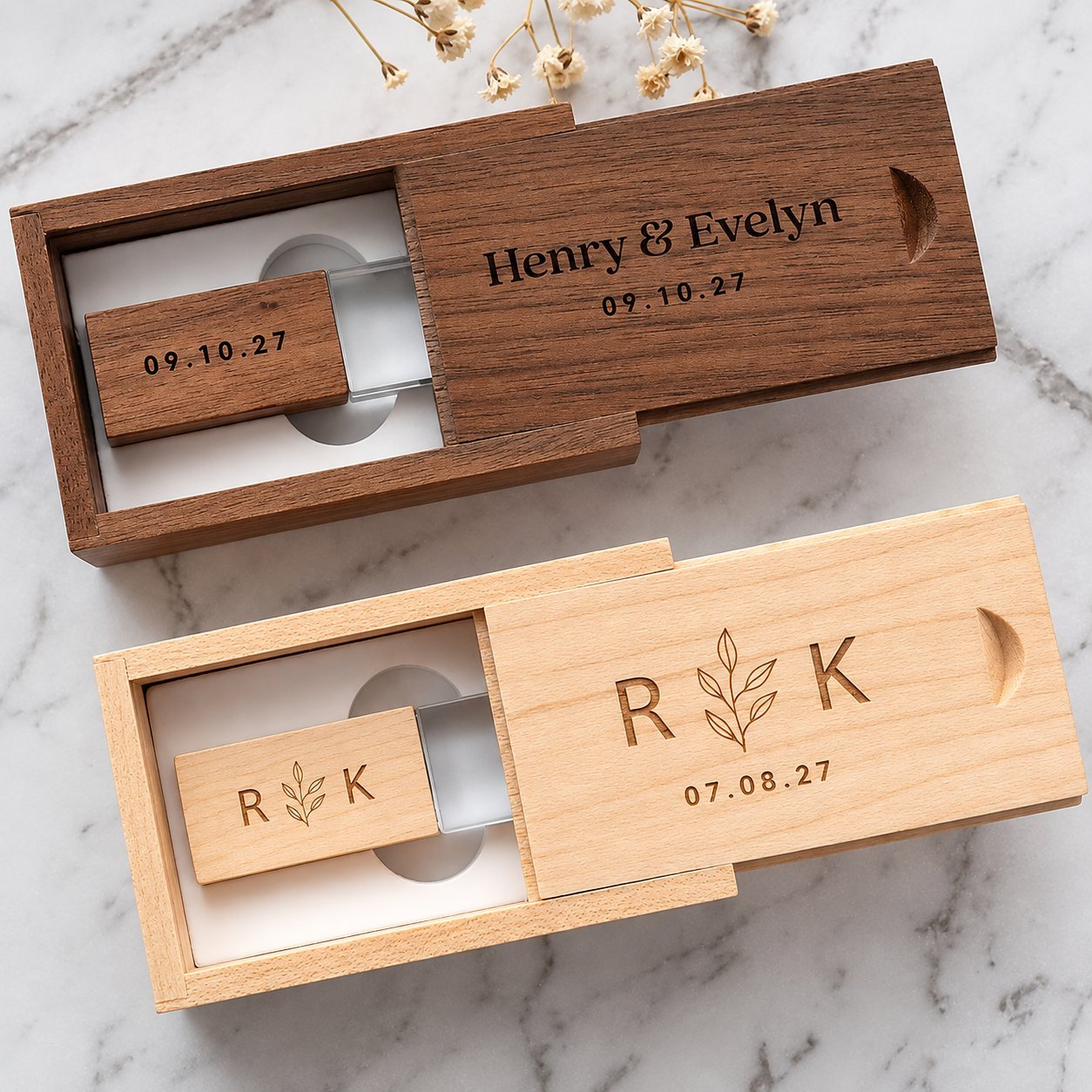
Keep caps and swivel covers closed in transit
A cap or swivel cover that fits fine on a desk can still work loose during a long transit leg of repeated handling and vibration. If you’ve already run a pre-shipment cap or swivel-fit test on your approved sample (a separate check covered in this project’s own sample-testing guide for wooden drives), extend that same scrutiny to how the closure is secured for shipping, not just whether it closes.
A small tape tab across a pull-off cap, or a light rubber band or gasket holding a swivel cover in its closed position, is a low-cost way to stop a closure working open mid-transit. It also gives you an easy visual check at unpacking: if the tab is broken or missing on arrival, that carton got jostled more than expected, worth flagging even if the contents still look fine.
Carton-level protection against crushing
Individual protection doesn’t help if the outer carton itself collapses under stacking weight or a rough handling drop. Separate multiple layers of packaged drives inside the carton with corrugated dividers or a layer of bubble wrap, and confirm the carton board weight is rated for your actual case weight and stacking height, not just what looks sturdy by eye.
There’s no single published compression or drop-test standard that applies universally to wooden USB cartons. If carton durability matters for your route (a long sea freight leg, multiple transshipment points, high stacking in a warehouse), ask your supplier directly whether they test cartons to a defined drop height or compression standard, and get that answer in writing rather than assuming a generic carton is rated for your specific shipping conditions.
Watch temperature and humidity, not just physical impact
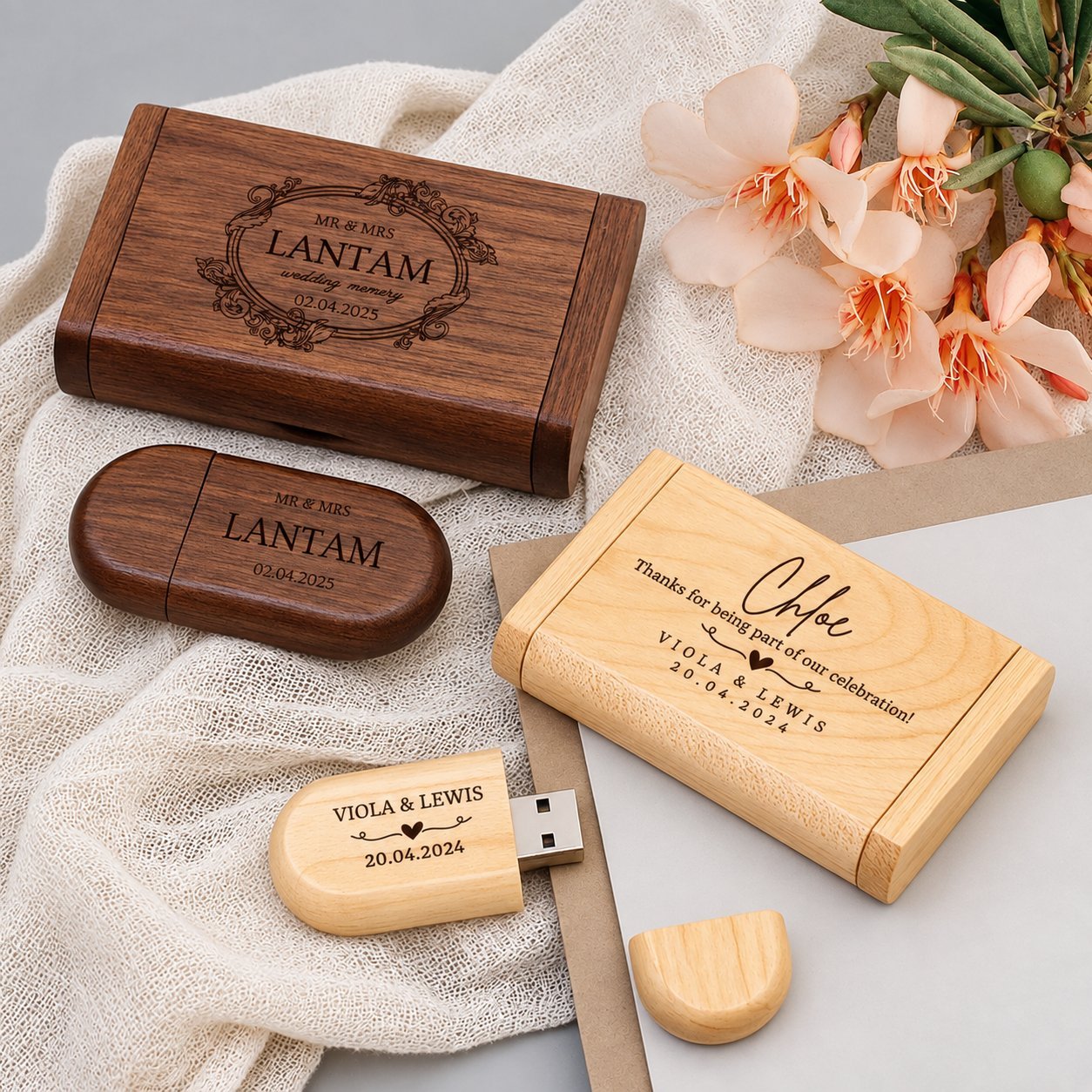
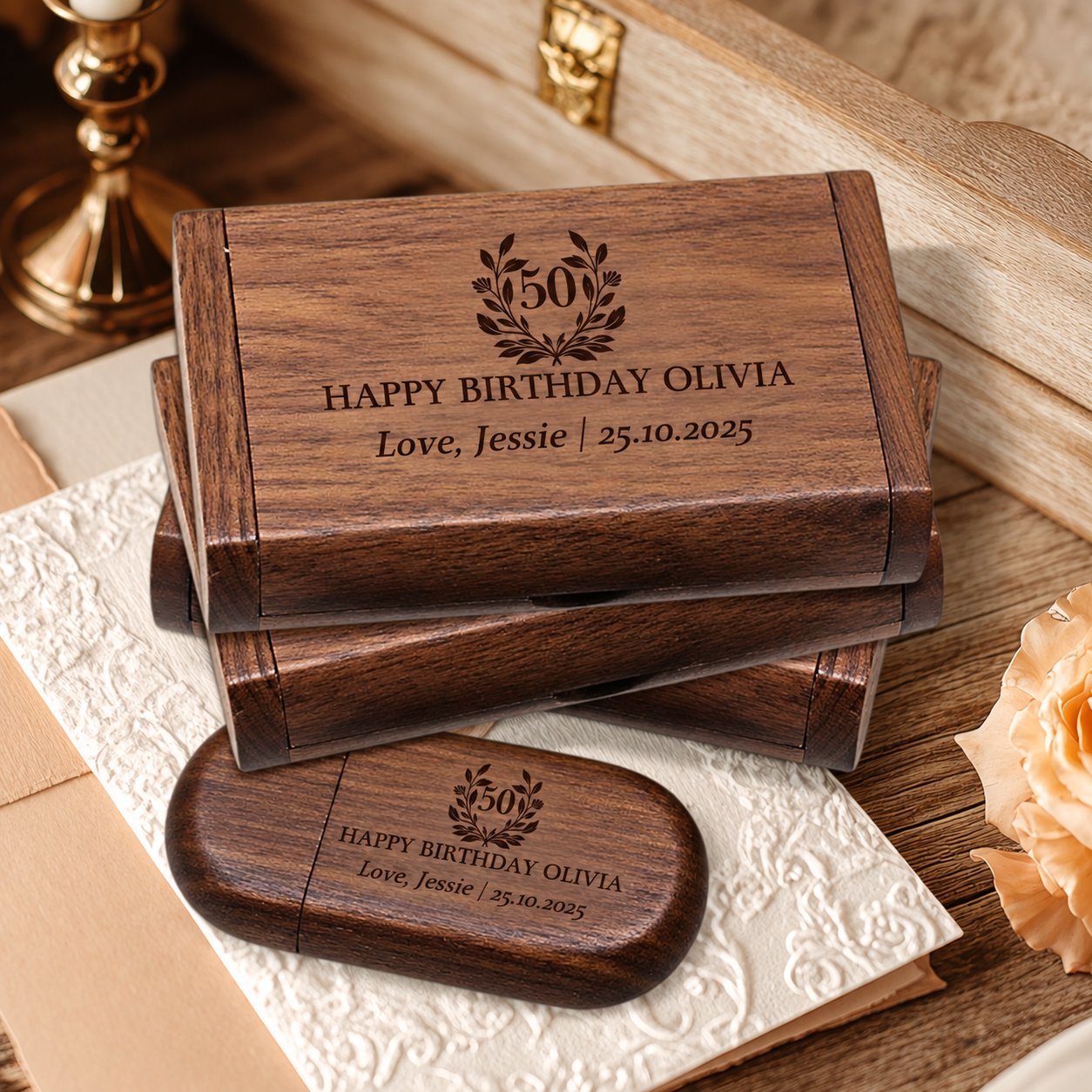
Wood responds to humidity and heat differently than metal or plastic casings do. A confirmed operating range of -10°C to 55°C and a storage range of -20°C to 60°C apply to the internal electronics, and prolonged heat or high humidity during warehousing or a slow shipping leg can also affect the wood finish itself, separate from any electronic concern. If your shipment is routing through a hot climate or sitting in an uncooled warehouse for an extended period, raise that with your supplier before the order ships rather than after a batch arrives with a visibly affected finish.
Bulk shipping risk, at a glance
Scope note. The individual-wrap-plus-cavity approach and carton dividers reflect general practice across bulk small-electronics packaging, not a single published standard. No universal drop-test or compression figure exists for wooden USB cartons specifically. Confirm your supplier’s actual methods in writing rather than assuming.
| Risk | Common cause | Fix | À confirmer |
|---|---|---|---|
| Wood surface scratches | Wood-on-wood contact in transit | Individual poly/OPP bag per unit | Whether this is included by default |
| Units shifting inside carton | No fitted cavity | Die-cut foam insert or corrugated divider | Cavity fit against your actual drive size |
| Cap or cover working loose | Vibration over a long transit leg | Tape tab, gasket, or rubber band securing the closure | Visual check on arrival for broken/missing tabs |
| Carton crush or collapse | Under-rated board weight, high stacking | Confirm board rating against real case weight/stack height | Any drop-test or compression standard tested to |
| Finish or electronics affected by climate | Extended heat/humidity exposure in transit or storage | Route and storage planning around the stated operating/storage range | Actual transit and warehousing conditions on your route |
What to confirm before you approve a bulk shipment
Before a bulk order ships, confirm four things in writing: whether individual unit wrapping is included, how cavities or dividers are fitted inside the master carton, whether cap or cover security (tape, gasket) is part of standard packing, and what carton board weight and stacking limit apply to your actual case count. A supplier who can answer all four specifically, rather than with a general “we pack carefully,” is one worth trusting with a larger volume order. This full packaging catalogue et general wooden USB drive guide cover the material and customization decisions that sit alongside this shipping-protection checklist.
Bulk Wooden USB Shipping FAQ
Is individual wrapping really necessary for every unit, or just for premium orders?
It matters most whenever units of the same material travel touching each other, which is most bulk orders regardless of price point. A lower-cost order can skip a premium presentation box and still include basic individual wrapping. The two aren’t the same spending decision.
How can I tell if a batch was damaged in transit rather than during manufacturing?
A broken or missing security tab on a cap, crushed foam cavities, or a dented outer carton are all signs of transit damage rather than a manufacturing defect. Photograph the packaging as received, before you open individual units, so you have a record if you need to raise a claim.
Does sea freight need different protection than air freight?
Generally yes, since sea freight involves a longer transit time, more handling points, and more stacking weight in a container. If your order is shipping by sea, it’s worth confirming carton strength and cushioning specifically for that route rather than assuming the same packing used for a smaller air-freight sample order will hold up.
Should I request a packed sample carton before the full shipment?
For a large or first-time order, yes. A sample of the actual master carton, packed the way the full shipment will be, lets you check cavity fit, cushioning, and carton strength before committing to the full volume, rather than finding a packing problem only after the bulk shipment arrives.
What should I do if a bulk shipment arrives with visible transit damage?
Document it with photos before unpacking further, note which units and how many are affected, and raise it with your supplier with that documentation rather than a general description. A supplier serious about quality will want the specifics to fix the packing method for your next order, not just resolve the current one.
Plan your next bulk wooden USB shipment with the right packing
Send your case count, shipping route, and closure type to YOUSAN’s team to confirm individual wrapping, cavity fit, and carton protection before your next bulk shipment ships.

 Français
  English
  Español de México
  Italiano
  Deutsch (Österreich)
  Русский
  Türkçe
  Bahasa Melayu