
Clé USB métallique ou clé USB en plastique : c'est la première décision que vous prenez pour presque chaque commande de clés USB personnalisées, et elle façonne votre budget, votre MOQ et la sensation que procurera la clé dans la main de quelqu'un des mois plus tard. Aucun matériau n'est universellement meilleur — le bon choix dépend de votre audience, de votre budget et de ce que la clé doit dire de votre marque.
Voici la version express. Choisissez la clé USB en plastique pour les distributions en grand volume, les budgets serrés et les audiences larges — elle maintient votre coût unitaire bas et vos couleurs flexibles. Choisissez le métal pour les cadeaux premium, les destinataires VIP et les clés destinées à durer des années — son poids et sa finition portent votre marque plus loin. Les deux utilisent les mêmes puces, aucune n’est donc plus rapide.

clés USB en métal
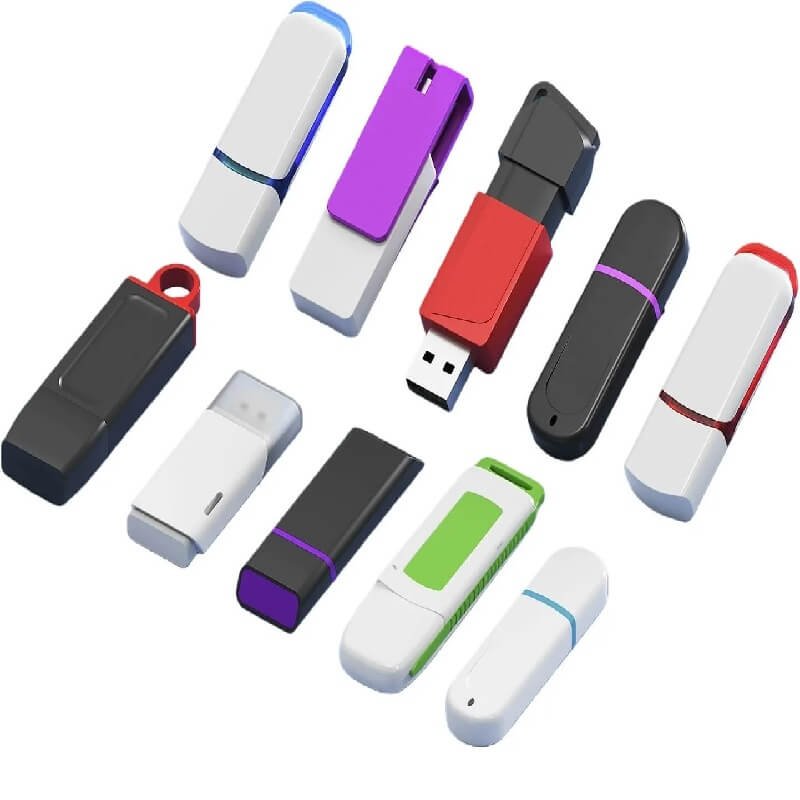
Clés USB en plastique
Depuis 2011, YOUSAN est une usine en source directe, proposant plus de 300 styles en métal prêts, des puces de grade A, une conception et des échantillons gratuits, les deux matériaux en interne et des moules personnalisés à seulement 50 $. Voici donc un guide sur le moment où chacun mérite d'être ajouté à votre commande.
Ce que vous choisissez vraiment entre clés USB métalliques et clés USB plastiques
Voici ce que la majorité des acheteurs ne prévoient pas : la coque est la seule chose que vous changez. Toutes les clés commandées, en métal ou en plastique, sont livrées avec la même puce mémoire, le même contrôleur et la même interface USB. Une clé USB en plastique branchée sur un ordinateur portable à côté d’une clé en métal lit à la même vitesse et écrit au même rythme. La coque n’a rien à voir avec les performances.
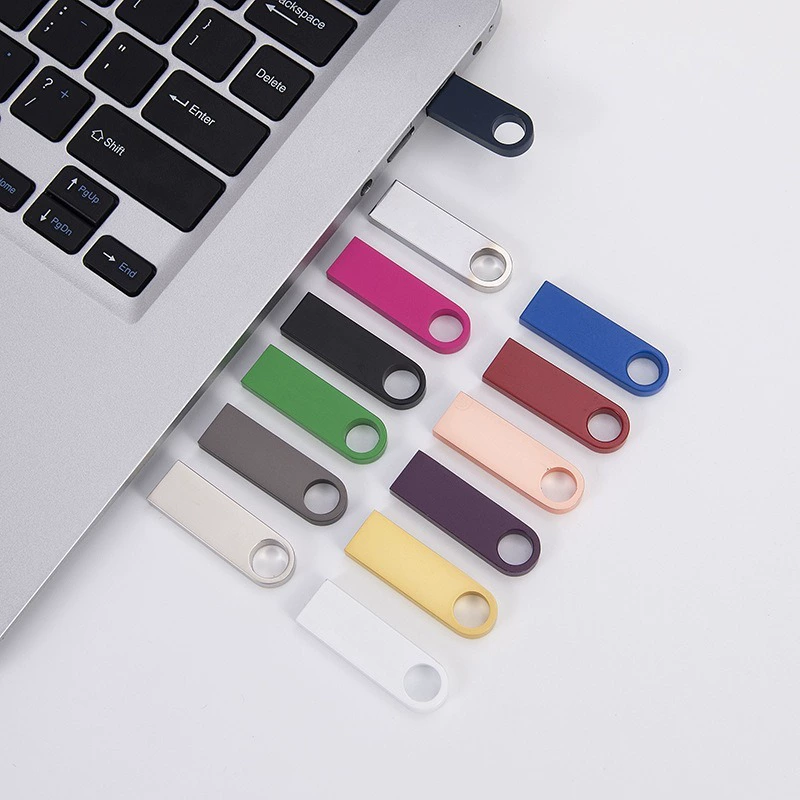
Eh bien, c’est vraiment une question de valeur perçue quand il s’agit du métal contre le plastique. Le matériau détermine le poids en main, la durabilité du boîtier une fois accroché au trousseau et le message que votre marque transmet dès la première prise en main. Ces éléments varient selon le matériau. La vitesse des données, non.
Voici une petite anecdote pour illustrer. Une acheteuse marketing a un jour commandé des échantillons métalliques pour un salon professionnel, pensant que le métal signifiait un stockage plus rapide et de meilleure qualité. À la réception des échantillons, elle a copié le même dossier de 2 Go sur une clé USB métallique et sur une clé USB en plastique. Le temps de transfert était identique. Le métal était plus cher, mais les informations étaient transportées de la même manière. Son choix est ensuite devenu simple : perception et durabilité, pas vitesse.
Ne jetez donc pas un dollar sur l'outillage sans garder cela à l'esprit. Ce n’est pas la vitesse de la clé, c’est le boîtier.
Métal vs plastique en un coup d'œil
| Facteur | clé USB en plastique | clé USB en métal |
|---|---|---|
| Coût unitaire | Inférieur | Plus élevé |
| Coût du moule | Inférieur | Plus élevé, et augmente avec la complexité de la forme |
| Ressentez | léger, pour tous les jours | Substantiel, premium |
| Durabilité | Convient pour un usage léger | Plus robuste ; résiste aux chutes et à l'écrasement |
| Options de couleur | Presque toutes les teintes, translucide, bicolore | Des finitions métalliques plus limitées |
| Idéal pour | Cadeaux de masse, budgets serrés, audiences larges | Cadeaux VIP, positionnement haut de gamme, usage à long terme |
Quand la clé USB en plastique est le meilleur choix
Lorsque vous choisissez en fonction des quantités, la clé USB plastique s'impose. Le coût du moule est relativement faible pour une coque plastique et vous n'investirez pas une fortune dans l'outillage avant l'expédition de votre première clé. C'est essentiel quand vous commandez des milliers d'unités et que chaque coût fixe pèse sur votre marge.
Vous gagnez aussi en réactivité. Lorsqu’une date d’événement approche à grands pas, les coques en plastique s’injectent-moulent rapidement, réduisant votre délai de production. Autre atout majeur : la liberté des couleurs — la clé USB en plastique peut s’apparier à presque toutes les couleurs de marque, qu’elles soient vives, sourdes, translucides ou bicolores, tandis que la clé USB en métal offre certaines limites en termes de finition.


La quantité minimale pour des clés USB en plastique moulé sur mesure est d’environ 1,000 pièces (4 chiffres), et le coût de la coque ne représente qu’une fraction de celui du métal. En règle générale, plus le volume est élevé, plus le coût est faible. Pour une distribution de masse, ce calcul est difficile à battre, et nos Guide tarifaire 2026 explique tous les chiffres.
Imaginez une université offrant des clés USB d’accueil à une nouvelle promotion — une commande énorme, comme celle que vous pourriez passer vous-même. Des milliers d’étudiants avec des clés personnalisées contenant plans et documents de bienvenue. Le métal aurait fait exploser le budget avant même l’expédition du premier carton. Le plastique a contenu les coûts tout en faisant le travail, et chaque étudiant est reparti avec une clé fonctionnelle aux couleurs de l’établissement. Lorsque vous expédiez des clés par milliers à un large public, clés USB en plastique remportent généralement votre commande.
Où les clés USB en métal justifient leur prix plus élevé
La clé USB en métal change tout au moment où votre destinataire la prend en main. Le poids signale la substance ; la finition signale le soin. Lorsque votre clé est destinée à un client plutôt qu’à une foule, cette première impression peut justifier la dépense supplémentaire.
Cette impression coûte plus cher. Les clés USB métalliques entraînent un coût de moule plus élevé que le plastique, et il grimpe à mesure que la forme se complexifie. La quantité minimale de commande reste généralement à quatre chiffres, et une forme personnalisée complexe peut la pousser plus haut. Vous payez pour un boîtier qui inspire le premium — et pour le bon destinataire, cela vous le rend.
YOUSAN fabrique clés USB en métal en trois matériaux, chacun ayant un rôle différent :
| Métal | Ressentez | Idéal pour |
|---|---|---|
| Aluminium | Léger (environ 10 à 15 g), brossé, de nombreuses couleurs | Une première étape abordable vers le métal |
| Alliage de zinc | Plus lourd, grande dureté, se moule en formes complexes | Formes personnalisées avec courbes ou détails fins |
| acier inoxydable | Le plus durable et haut de gamme, le plus difficile à usiner | Cadeaux haut de gamme où la robustesse compte |
La plupart des commandes se couvrent avec trois métaux, dont chacun répond à un objectif différent. Les alliages d'aluminium restent légers et abordables, parfaits pour une première incursion dans le métal. L'alliage de zinc moulé sous pression permet des formes complexes plus nettes et plus faciles à réaliser : si votre design comporte des courbes ou des détails fins, c'est lui qu'il vous faut — mais il est plus lourd à manipuler. L'acier inoxydable est le plus durable des trois, le plus difficile à usiner et le plus cher. Je suis sur le sol de production de YOUSAN depuis plus de 10 ans et j'ai vu des acheteurs gravir ces barreaux un à un : plus le client est exigeant, plus haut il monte.

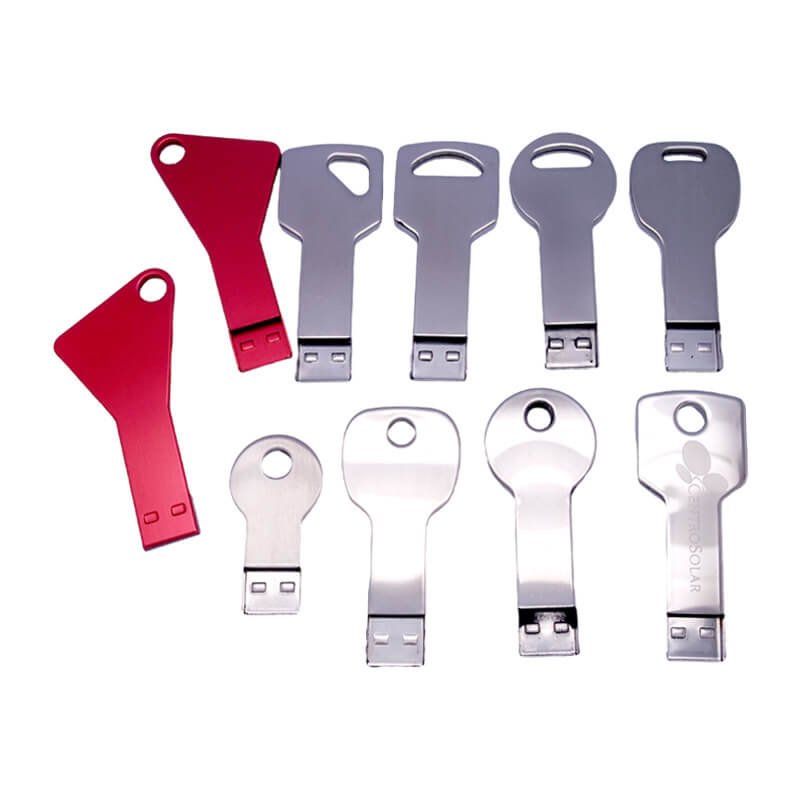
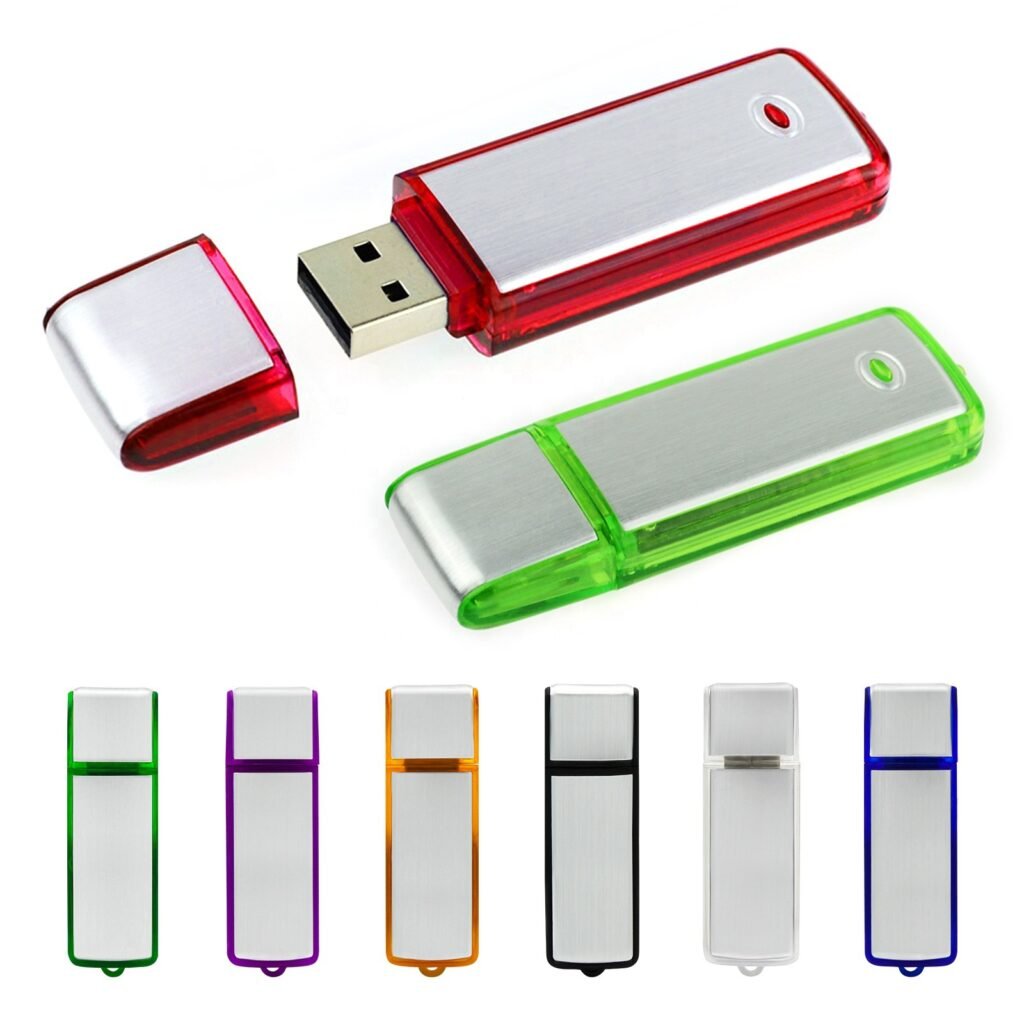
Imaginez un cabinet d’avocats finalisant une transaction majeure. À la table de signature, chaque client reçoit une clé métallique chargée de ses documents signés. Le poids, le fini froid, le logo gravé — ensemble, ils signifient que la relation dépasse la transaction. Une coque en plastique de mauvaise qualité ruinerait ce message en un instant. Si votre clé incarne une relation importante, le métal en vaut généralement la peine.
Comment le logo est-il réellement appliqué – et pourquoi c'est important
La présence de votre logo sur le boîtier est plus importante que vous ne le pensez. Cette approche fera la différence entre une marque qui aura encore l’air fraîche dans trois ans et une marque effacée.
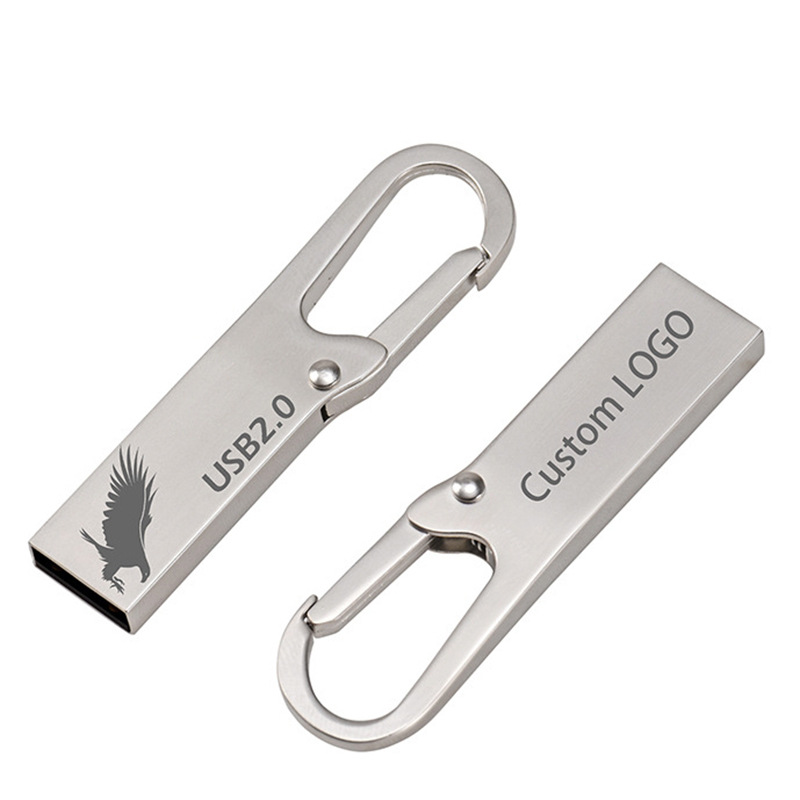
Gravure laser
La gravure laser est la norme en matière de métal. Elle marque la surface par brûlure, ne s'efface pas et résiste à des années d'utilisation. Pour la couleur, la sérigraphie ou l'impression quadrichromique apporte les teintes de votre marque, et les clés en alliage de zinc peuvent recevoir un revêtement en résine époxy pour un relief brillant.
Sur le plastique, la sérigraphie et l’impression couleur prennent le relais. La sérigraphie convient à un logo simple et en aplat ; l’impression couleur gère davantage de détails et de dégradés. Les deux sont impeccables à la livraison, mais le logo imprimé reste en surface et peut s’estomper au fil des ans à cause des frottements dans la poche.
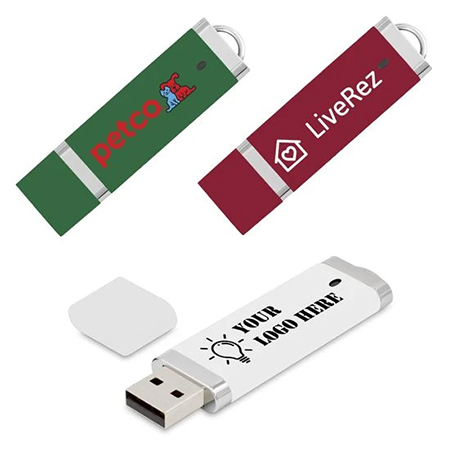
impression couleur
C'est le facteur décisif pour certains acheteurs. Une entreprise avec une marque monochrome stricte voulait un objet à porter au quotidien pendant des années et a choisi la gravure laser sur métal, elle ne voulait pas que la marque s'estompe et en quatrième année elle devait être identique. Si votre clés USB avec logo passeront des années dans une poche, la gravure sur métal offrira un refuge sûr à votre logo ; si vous comptez les utiliser une seule fois, l'impression sur plastique fera largement l'affaire.
Là où la durabilité compte vraiment
Votre clé ne sera pas utilisée comme vous l'imaginez, et c'est pourquoi la durabilité doit être prise en compte. Un corps métallique sera un meilleur conducteur de chaleur et résistera aux chutes, à l'écrasement et à l'usure d'un porte-clés — ce qui briserait un corps en plastique. C'est une véritable valeur ajoutée — mais c'est à votre destinataire de l'exploiter.
La plupart des goodies ne sont jamais utilisés. Un participant à une conférence insère la clé, copie un fichier et la laisse dans un tiroir. Cette clé ne subira jamais aucune pression, et peu importe si vous payez un peu plus cher pour un boîtier plus résistant.
C'est une autre histoire pour les clés à longue durée de vie. Imaginez : à chaque fois qu'une équipe informatique remet une clé à un employé, ou pour un cadeau de direction, les clés sont déplacées d'un lieu à un autre, branchées chaque jour, posées sur des surfaces dures et continuent de fonctionner pendant des années. Là, la durabilité du métal n'est pas qu'une ligne de fiche technique, c'est la raison pour laquelle la clé continue de fonctionner après des années d'utilisation intensive, alors que le plastique commencerait à se fissurer. Posez-vous donc honnêtement la question : usage occasionnel ponctuel, penchez pour le plastique ; usage quotidien à long terme, penchez pour le métal.
Un moyen rapide de décider
Toutes les commandes de clés USB personnalisées se résument à quatre questions. Soumettez-y les vôtres.
Premièrement, de combien de clés avez-vous besoin ? Le calcul des volumes joue en votre faveur pour les grandes séries destinées à un large public, ce qui oriente vers le plastique. Les petites séries ciblées offrent quant à elles l'opportunité d'entrer dans le métal.
Deuxièmement, quel est le budget unitaire que vous pouvez vous permettre ? Le plastique offre un coût de coque inférieur, un avantage lorsque le budget par pièce est serré. Si les moyens le permettent, le métal reste une option.
Troisièmement, à qui sont destinées vos clés ? Le plastique s’adresse à un large public d’étudiants, de participants à des conférences et de visiteurs d’événements. Le poids et la finition du métal entrent en jeu lorsqu’un public VIP (clients, partenaires, dirigeants) est concerné.
Quatrièmement, combien de temps la clé doit-elle durer ? Pour un seul événement, une coque en plastique qui tiendra la journée suffit. Le métal vaut l'investissement lorsque vous envisagez quelque chose qui durera de nombreuses années ou que vous pouvez offrir en souvenir.
Superposez vos 4 réponses. S'il s'agit d'un volume important avec un budget serré, une large audience cible et une durée de vie courte, c'est une situation pour le plastique. Le métal s'impose pour les séries plus restreintes, un positionnement haut de gamme, des destinataires importants et des années d'utilisation. Une fois vos réponses alignées, la majorité des commandes penche clairement d'un côté ou de l'autre.
Prêt à choisir votre matériau ?
Avant de demander un devis, préparez ces informations :
- Le matériau que vous privilégiez (métal ou plastique)
- Quantité, ou taille de votre commande en gros
- Modèle standard ou forme personnalisée
- Capacité (par exemple, 16 Go, 64 Go ou 128 Go)
- Fichier du logo et méthode de marquage (gravure ou impression)
- Préférence d'emballage
- Délai et pays de livraison
Dites à YOUSAN ce que vous fabriquez et obtenez un devis usine directe pour l’un ou l’autre matériau, avec coût de moule exact et MOQ confirmés sur demande. Contactez-nous pour démarrer votre devis.
FAQ
Le matériau du boîtier affecte-t-il la vitesse de lecture ou d'écriture ?
Non. La vitesse provient de la puce mémoire et du contrôleur, qui sont identiques, qu’il s'agisse de métal ou de plastique. Le boîtier modifie le poids, la durabilité et le coût, pas la vitesse de transfert de vos fichiers.le boîtier ne change pas la vitesse à laquelle vos fichiers sont transférés, seulement son poids, sa durabilité et son coût.
Quelle est la quantité minimale de commande pour le métal par rapport au plastique ?
Les modèles standard en métal et en plastique commencent à un minimum bas, autour de 100 pièces. Les formes moulées personnalisées commencent plus haut — à partir d'environ 1 000 pièces, avec des frais de moule uniques à partir de 50 $ — et une forme métallique complexe peut en exiger davantage. Confirmez les chiffres exacts lors de la demande.
Quel matériau conserve le logo plus longtemps ?
Métal. La gravure laser grave la marque dans la surface, elle ne s'effacera donc pas, tandis qu'un logo imprimé sur du plastique semble net au début mais peut s'estomper au fil des années de manipulation. Pour une clé utilisée quotidiennement, la gravure sur métal garde votre marque bien visible.
Le métal vaut-il le surcoût pour un cadeau événementiel à usage unique ?
Habituellement non. Pour une clé que l’on branche une fois avant de l’oublier, le plastique délivre les mêmes données et le même branding pour une fraction du coût du boîtier. Gardez le métal pour les cadeaux destinés à durer.
Puis-je commander une forme personnalisée à la fois en métal et en plastique ?
Oui, bien qu'ils y parviennent différemment. Le plastique moule votre forme à un coût d'outillage inférieur, tandis que le métal gère des formes complexes par moulage sous pression, en particulier en alliage de zinc. Notez simplement qu'une forme métallique complexe augmente à la fois votre coût de moule et, parfois, votre minimum de commande.
 Français
  English
  Español de México
  Italiano
  Deutsch (Österreich)
  Русский
  Türkçe
  Bahasa Melayu