
Un produttore affidabile si dimostra con le prove, non con gli aggettivi: chip di memoria originali che puoi verificare, un processo di controllo qualità documentato, certificazioni reali che puoi controllare e una storia di consegne puntuali. Questa guida illustra cosa controllare in ogni fase, dalla qualità dei chip di memoria alle certificazioni e alla comunicazione, così puoi confrontare i fornitori sui contenuti concreti invece che sulla pagina di vendita.
Questo è scritto per team di approvvigionamento, distributori e proprietari di marchi che acquistano chiavette USB dalla Cina per la prima volta o che cambiano fornitore dopo una brutta esperienza.
Indice dei contenuti
- Perché la Cina è un grande polo per la produzione di chiavette USB
- Tipi di chiavette USB e quando ciascuno ha senso
- Come valutare un produttore
- Specifiche tecniche da verificare prima di ordinare
- Produttori affidabili vs di bassa qualità a colpo d'occhio
- Personalizzazione OEM e relazioni a lungo termine con i fornitori
- Parla con il nostro team prima di impegnarti
- Domande frequenti
Perché la Cina è un grande polo per la produzione di chiavette USB
La filiera elettronica cinese offre ai produttori locali un accesso rapido ai componenti, modelli produttivi OEM e ODM consolidati e una logistica di esportazione costruita per la spedizione globale. Questo non significa che ogni fabbrica sia ugualmente affidabile. Una base di fornitura densa rende più facile trovare un buon produttore, ma rende anche più facile trovarne uno cattivo, poiché le barriere all'ingresso basse consentono a fornitori poco attrezzati di competere solo sul prezzo. I passaggi di verifica seguenti contano più del paese di origine.
Tipi di chiavette USB e quando ciascuno ha senso
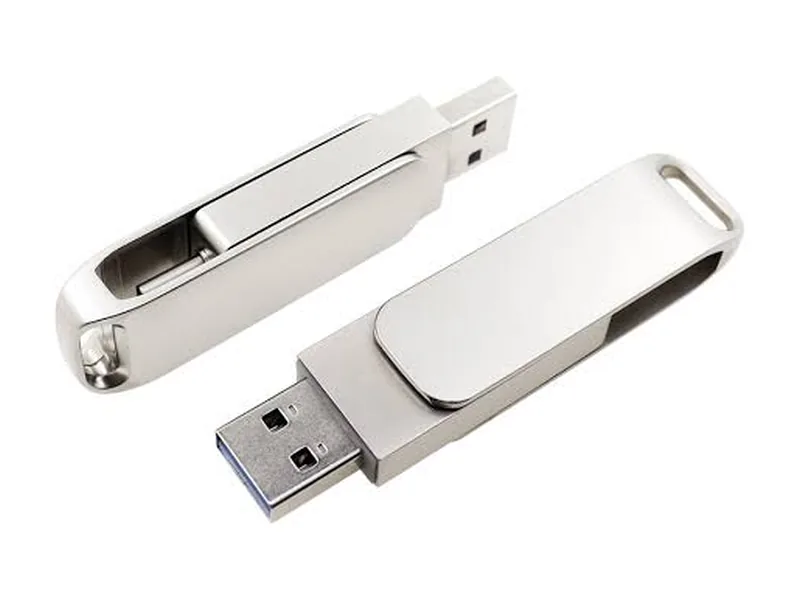
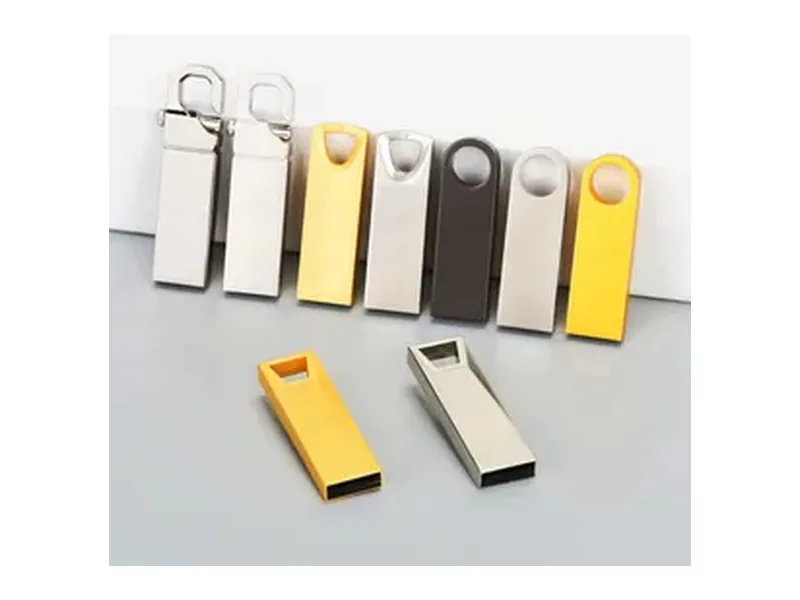
| Tipo | Materiale tipico | Uso comune | Note |
|---|---|---|---|
| Standard | Plastica | Archiviazione quotidiana, trasferimento file, omaggi aziendali | Costo minimo, produzione più rapida |
| Metallo | Lega di alluminio o simile | Regali aziendali, promozioni premium | Valore percepito maggiore, costo unitario aggiuntivo |
| OTG / USB-C | Mista, doppio connettore | Trasferimento da telefono a computer | Conferma quali dispositivi usa davvero il tuo pubblico |
| Promozionali personalizzati | Involucro personalizzato | Campagne di marketing, fiere | Logo, colore e confezione costruiti attorno a un uso specifico |
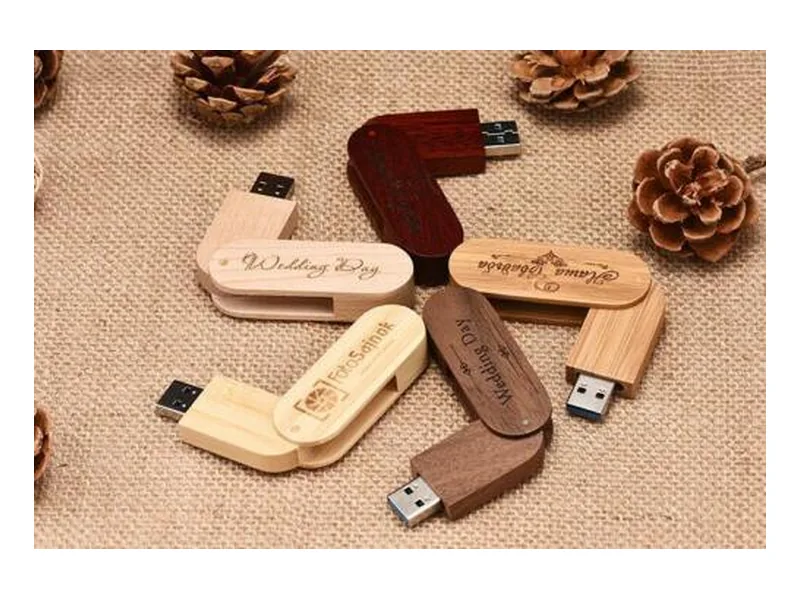
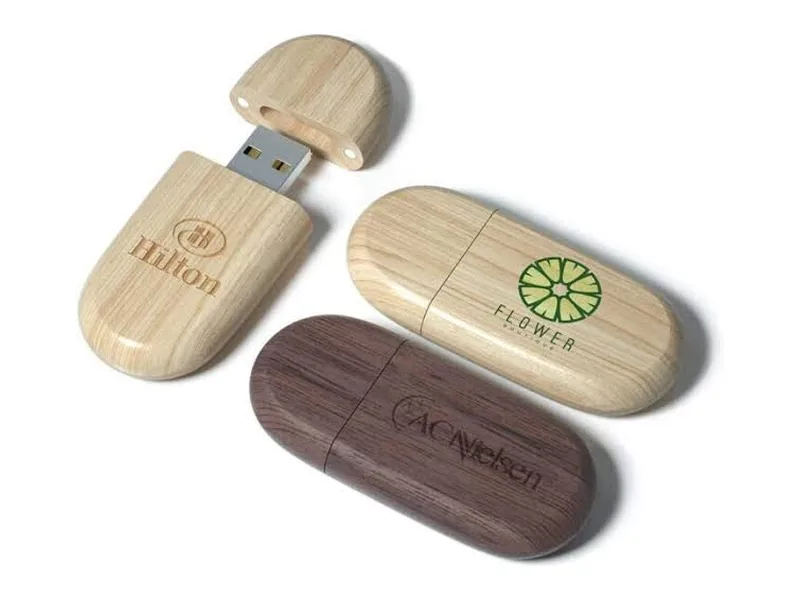
La scelta di materiale e connettore dovrebbe seguire il tuo caso d'uso, non il contrario. Il nostro panoramica dei materiali e linea di chiavette USB-C e OTG approfondiamo ciò che ogni opzione si adatta davvero.
Come valutare un produttore
Esperienza produttiva. Chiedi da quanto tempo l'azienda produce specificamente chiavette USB, non elettronica in generale, e chiedi quali mercati di esportazione serve. Un track record più lungo in questa esatta categoria di prodotto è un segnale più forte di una generica affermazione «produciamo elettronica».
Capacità produttiva. Chiedi la produzione mensile, il numero di linee e se la produzione è automatizzata o manuale, poiché ciò influisce sia sulla coerenza sia su quanto bene una fabbrica può scalare il tuo ordine senza estendere la tua tempistica.
Qualità del chip di memoria. Questo è il singolo fattore che più probabilmente causa un reso. Chiedi direttamente se il produttore usa chip NAND nuovi e di marca originale o chip recuperati, e chiedi come selezionano i blocchi danneggiati e le affermazioni di capacità gonfiata. Il nostro ripartizione dei chip controller e dei gradi di memoria flash copre cosa c'è davvero all'interno di una chiavetta prima dell'assemblaggio, e la nostra guida per verificare la capacità reale della USB con software gratuiti mostra il metodo di test che tu o il tuo fornitore dovreste eseguire su ogni unità.
Controllo qualità. Chiedi cosa viene testato, su quale percentuale di unità e quale rapporto ricevi. «Testiamo tutto» significa poco senza un metodo alle spalle; chiedi i controlli specifici, che si tratti di verifica della capacità, test di velocità di lettura/scrittura o test di resistenza.
Supporto OEM e personalizzazione. Conferma che i metodi di stampa del logo, le opzioni di imballaggio e le capacità disponibili corrispondano a ciò di cui il tuo progetto ha bisogno, e chiedi di vedere esempi di lavori di personalizzazione passati piuttosto che una lista di capacità generica.
Certificazioni. Le certificazioni ti dicono cosa è stato verificato in modo indipendente, ma solo se sai cosa copre realmente ciascuna. La marcatura CE, RoHS e FCC si applicano a diversi aspetti di un prodotto e a diversi mercati; ISO 9001 certifica il sistema di gestione della qualità di un produttore, non i risultati dei test di un prodotto specifico. Chiedi documentazione legata al tuo ordine reale, non solo un certificato generico. Elenchiamo le nostre, incluse la certificazione ISO 9001 e la conformità sociale BSCI, sul nostro pagina delle certificazioni come punto di partenza per quella conversazione, non un sostituto del chiedere cosa si applica al tuo prodotto specifico.
Consegna e comunicazione. Chiedi una tempistica realistica prima di ordinare, non solo una promessa di ordine urgente, e valuta il tempo di risposta e la chiarezza durante il processo di quotazione stesso. Di solito è un'anteprima di come sarà la comunicazione di produzione.
Specifiche tecniche da verificare prima di ordinare
| Fattore | Perché è importante | Cosa richiedere |
|---|---|---|
| Precisione della capacità | La capacità formattata utilizzabile è sempre leggermente inferiore al valore nominale e la frode con capacità gonfiata è un problema reale del mercato | Un metodo di verifica della capacità e risultati dei test, non solo il numero commerciale |
| Velocità di trasferimento dati | Influisce su quanto durano i trasferimenti per i tuoi utenti finali | Cifre di lettura/scrittura specifiche per modello con condizioni di test, non un singolo numero applicato a ogni SKU |
| Compatibilità dell'interfaccia | USB-A e USB-C sono forme di connettore; USB 2.0 e 3.x sono generazioni di interfaccia separate | Quale connettore e generazione di interfaccia si adatta ai dispositivi reali del tuo pubblico |
| Stabilità del chip | Il NAND nuovo è più stabile dei chip ricondizionati o declassati, influenzando i tassi di guasto e l'integrità dei dati | Conferma scritta del grado dei chip e della provenienza |
| Durata del materiale | Il materiale della custodia influisce sulla resistenza all'usura quotidiana, alle cadute e alla manipolazione di tutti i giorni | Unità campione da testare di persona prima di impegnarsi in una produzione |
Produttori affidabili vs di bassa qualità a colpo d'occhio
| Fattore | Produttore affidabile | Produttore di bassa qualità |
|---|---|---|
| Chip di memoria | Nuovi, con marchio originale, verificabili | Approvvigionamento recuperato o non verificato |
| Test di qualità | Campionatura documentata, per unità o chiaramente definita | Affermazioni vaghe, test limitati o assenti |
| Coerenza della produzione | Stabile tra i lotti | Variabile da lotto a lotto |
| Supporto OEM | Processo strutturato con esempi reali | Elenco di capacità generico, senza prove |
| Consegna | Tempistica realistica, puntuale | Ritardi frequenti, stime vaghe |
Personalizzazione OEM e relazioni a lungo termine con i fornitori
La personalizzazione OEM ti permette di mettere il tuo logo, i tuoi colori e il tuo imballaggio su un prodotto di base senza progettarne uno da zero, che di solito è il percorso più veloce verso una chiavetta USB con marchio per una campagna o un regalo per un cliente. Il nostro guida ai metodi di personalizzazione del logo spiega quale metodo di stampa si adatta a quale design e budget.
Un singolo buon ordine dice meno di una relazione di lavoro. Restare con un fornitore una volta che capisce le tue specifiche, il tuo processo di approvazione e la tua dimensione tipica d'ordine tende a ridurre il viavai e a cogliere i problemi prima, specialmente su ordini ripetuti o all'ingrosso. Se ordini in volume, il nostro guida per scegliere la giusta quantità di lotto spiega come la dimensione del lotto influisce sia sul prezzo che sulla coerenza.
Parla con il nostro team prima di impegnarti
Invii capacità target, materiale della custodia, metodo del logo, quantità e mercato di destinazione, e YOUSAN ti guiderà su ciò che possiamo documentare e verificare per il tuo ordine specifico. Contattaci per il tuo progetto
Domande frequenti
Perché così tanti acquirenti si riforniscono di chiavette USB dalla Cina?
Una densa catena di fornitura di componenti, una produzione OEM e ODM consolidata e una logistica di esportazione costruita per la spedizione globale. Nessuna di queste garantisce la qualità di qualsiasi fabbrica specifica, motivo per cui la valutazione del singolo fornitore conta ancora.
Come posso verificare la qualità delle chiavette USB prima di effettuare un ordine completo?
Richiedi un campione, chiedi per iscritto il grado e l'approvvigionamento dei chip, chiedi quali controlli di qualità vengono eseguiti e su quale percentuale di unità, e conferma le certificazioni pertinenti al tuo mercato di destinazione.
Quali certificazioni dovrei richiedere?
CE, RoHS e FCC sono comuni a seconda del tuo mercato di destinazione, e ISO 9001 indica un sistema di gestione della qualità certificato. Ciò che si applica effettivamente dipende dal tuo prodotto e mercato specifici, quindi conferma con il tuo fornitore e, dove conta, con il tuo referente per la conformità.
Qual è la vera differenza tra chip di memoria nuovi e ricondizionati?
I chip nuovi offrono generalmente stabilità e affidabilità più costanti. I chip recuperati o declassati comportano un rischio maggiore di capacità gonfiata, blocchi danneggiati e guasto prematuro, anche se la differenza in qualsiasi caso specifico dipende da come i chip sono stati procurati e testati.
Un produttore che offre servizi OEM significa che può gestire la mia richiesta esatta?
Non automaticamente. Chiedi esempi di lavori passati simili nel tuo metodo di logo, tipo di imballaggio e intervallo di capacità prima di presumere che una capacità OEM generale copra il tuo progetto specifico.
Cosa determina la differenza di prezzo tra i fornitori?
Capacità di archiviazione, grado del chip di memoria, materiale della custodia, metodo del logo, imballaggio, quantità d'ordine e certificazioni contribuiscono tutti. Un preventivo più basso senza nulla di tutto ciò spiegato è un motivo per fare più domande, non per ordinare più in fretta.
 Italiano
  English
  Español de México
  Deutsch (Österreich)
  Русский
  Français
  Türkçe
  Bahasa Melayu