
Buy once in bulk, or spread your wooden USB order across several smaller batches. Both work. The right call depends on how fast you hand the drives out, how much storage you have, and whether your branding changes between events. This guide walks through the real cost and timing tradeoffs so you can pick a plan instead of guessing.
Die wichtigsten Erkenntnisse
- Bulk upfront wins on unit price and mold cost but ties up cash and storage space in one shot.
- Scheduled batches protect cash flow and keep branding current, but each reorder restarts the production cycle at its own cost.
- A flat 10% buffer isn't a safety-stock rule. Calculate your own from demand variability, lead time, and loss rate instead.
- Every dollar figure and lead-time range here is a planning example, not a quote. Confirm the real numbers for your SKU, quantity, and order date directly with the factory.
The short version
A single bulk order wins on unit price and mold cost, but it ties up cash and warehouse space in one shot. Scheduled batches free up your budget and keep your branding current, but every reorder runs as a fresh production cycle, and that costs more per piece unless you plan around it. Most buyers land somewhere in the middle: one bulk order sized to a season or a fiscal year, with a buffer built in, backed by a replenishment trigger for the next batch. The exact buffer size and trigger point below are planning examples. Calculate your own using your real usage numbers, not the example figures directly.
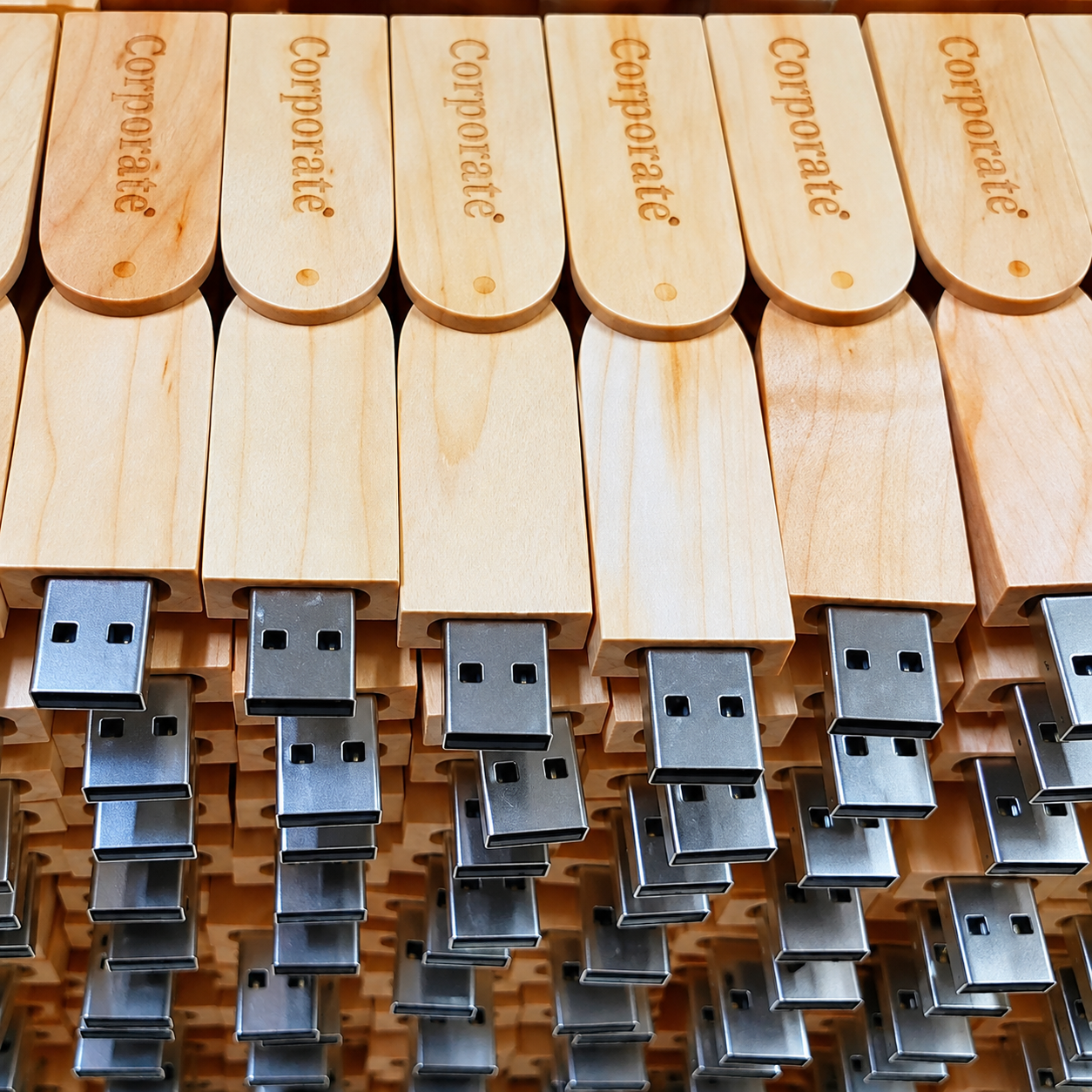
Why a reorder costs more than you expect
Here is the part that catches buyers off guard. When you run out, the factory does not just print more from the same run. It opens a new production batch, which carries its own setup cost even if nothing about your design changed. Order the bare minimum the first time and that second bill lands sooner than planned, and at a worse rate.
Buyers commonly build in extra units on their first order as insurance against breakage, giveaways they didn't account for, and last-minute additions to the distribution list. Ten percent above your exact headcount is a common starting point when you don't have usage history to calculate from yet, but it isn't a universal safety-stock rule. The section below walks through calculating a buffer from your own numbers instead.
Custom mold costs follow the same logic. A wood-shaped or logo-shaped mold is commonly quoted around $50 at the factory level for a standard design, though the exact fee depends on your specific shape and complexity, and that fee gets diluted across every unit you order against it. By your third order using the same mold, that fee barely shows up in your per-unit math, assuming the mold itself is reusable at no added cost. Before you commit to a mold at all, ask whether the factory holds it on file for future runs, and get the retention period, reuse terms, and any reduced re-tooling fee in writing. A verbal "we'll keep it on file" isn't the same as a documented term, and whether your next scheduled batch skips the mold fee entirely or just pays a reduced one depends on exactly what your supplier agreed to.
That said, more pieces does not always mean a better deal. Unit price drops fastest at the lower volume tiers and keeps dropping, just more slowly, as the quantity climbs. Ordering thousands of surplus drives to chase one more price break can leave you storing wood USB drives you never hand out, which is its own cost nobody puts on the quote.
Calculate your own buffer instead of defaulting to 10%
A flat percentage treats every buyer's risk the same, and it isn't. Your real buffer depends on three separate numbers: how much your monthly handout volume actually swings, how long your production and shipping lead time runs, and how much you lose to breakage or damage along the way.
Start with your lead-time demand. Multiply your average monthly usage by your lead time in months. If you hand out 300 units a month and your lead time runs about 1.5 months, that's 450 units of demand you need covered before a reorder can arrive.
Add a safety-stock cushion sized to your own demand swings, not a flat rule. If your busiest month runs about 100 units above your average month, add that 100 units on top. In this example, your reorder trigger lands at 550 units (450 plus 100), not at a generic 10% of your order size.
If you track a real breakage or storage-damage rate, for example a known 3% loss between delivery and distribution, add that as its own separate line rather than folding it into the same percentage as demand variability. These are two different risks with two different causes, and conflating them hides which one is actually driving your buffer up.
Run this calculation with your own numbers before you place your first bulk order, and recalculate it if your volume, lead time, or loss rate changes meaningfully.
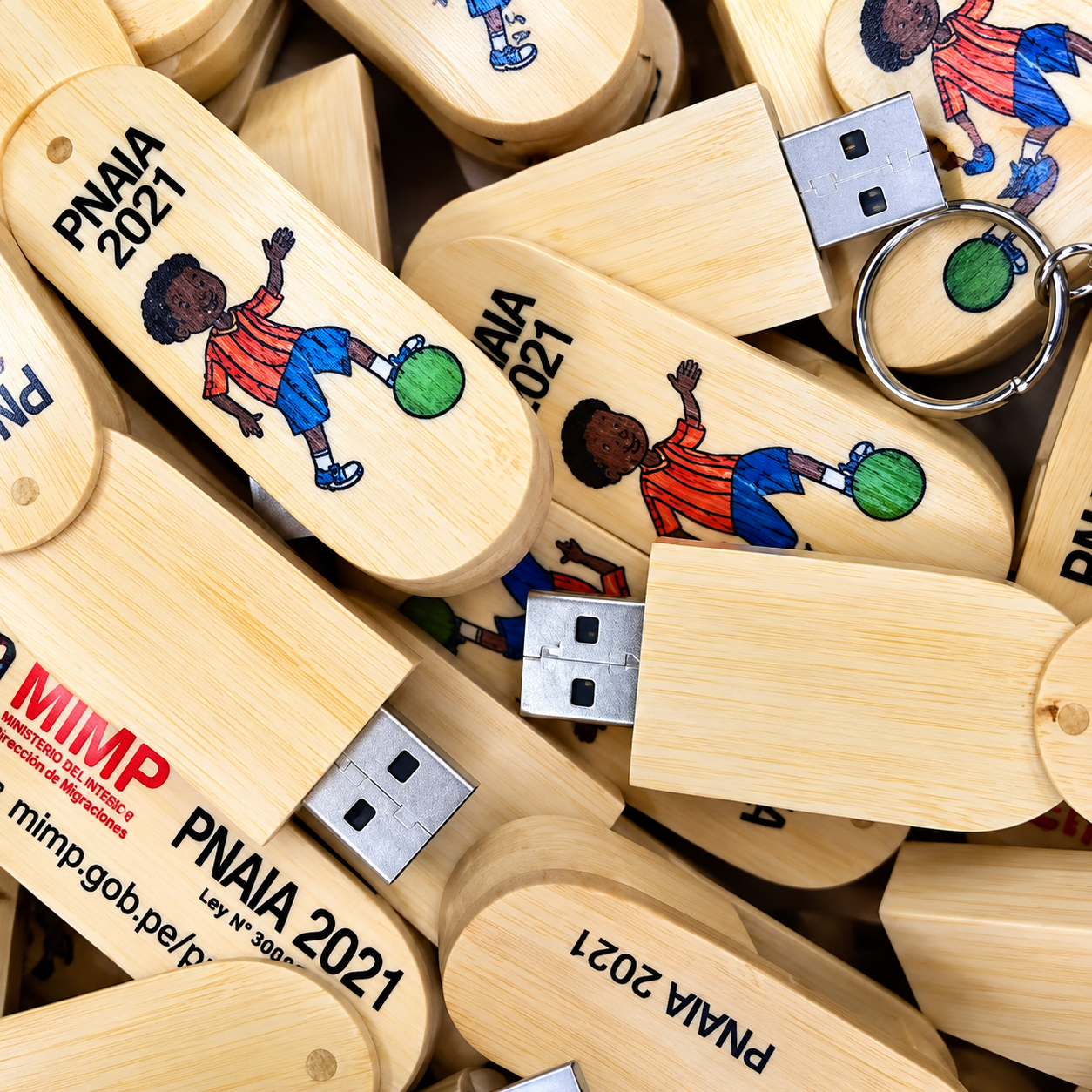
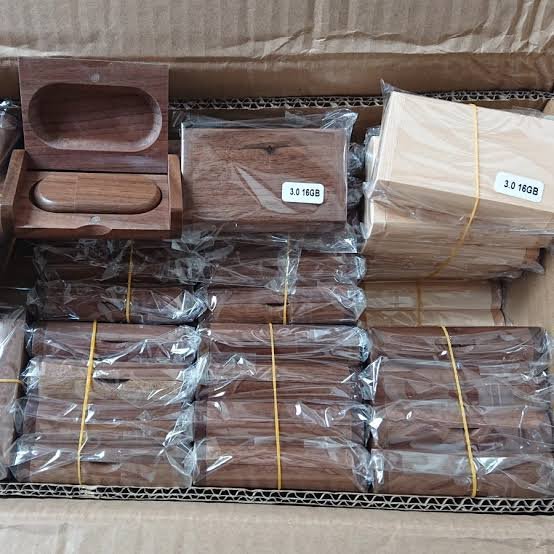
How far ahead you actually need to plan
Standard production for a stock design with a logo commonly runs about 10 to 15 business days once you approve the sample, as an example range for that process. A new wood mold, data preloading, or premium packaging stretches that to roughly 20 to 35 business days in the same example range. Shipping is a separate line on top of either number, from a few days by air to several weeks by sea. None of that includes the design and sampling round before you even approve anything, and the exact range for your specific SKU and order date should come from your own quote, not this example.
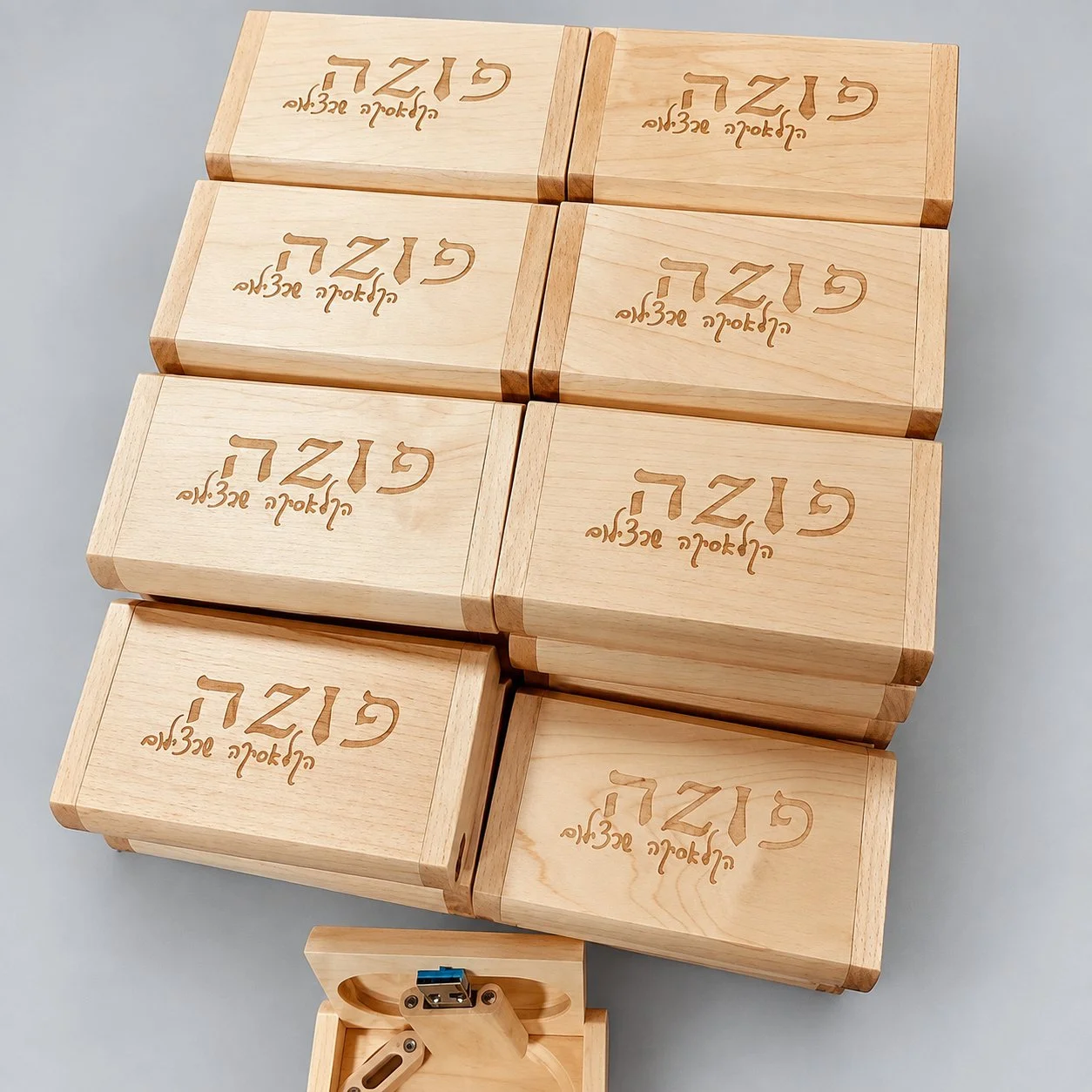
This is the number that should set your reorder trigger, using the calculation method above rather than the flat example. If your scheduled batch needs a 20 to 35 business day production window plus shipping, you are not reordering when the shelf is empty. You are reordering when it hits the point where current stock covers you through that full lead time. Write that trigger quantity down once you've calculated it for your real numbers, and you stop making the decision under deadline pressure every single time.
Factory queues also run longer in the run-up to major holidays, so if your distribution date falls near one, add buffer time on top of the standard range rather than booking against the best-case number.
Matching the order pattern to how you actually hand drives out
Corporate buyers running a fixed event calendar. If you know your trade show dates and your onboarding cohort sizes a year out, one bulk order sized to that calendar, plus a buffer calculated from your own demand swing, usually beats four separate scheduled batches. You lock in one price, pay the mold fee once, and your branding stays identical across every box you open.
Photography studios delivering client galleries. Volume here is irregular and tied to bookings, not a calendar. Scheduled batches in smaller quantities match cash flow better than one large upfront order, and because the design rarely changes shoot to shoot, the repeat-order path keeps the mold fee shrinking with every reorder instead of sitting on dead stock between slow months, assuming your mold-retention terms are confirmed in writing.
Channel partners and resellers. If you are warehousing stock to drop-ship under client branding, bulk ordering against a forecast makes sense for your top sellers, but anything with a client-specific logo belongs on a scheduled, smaller-batch cycle so you are not holding one client's branded inventory after the campaign ends.
Storage and specification drift between batches
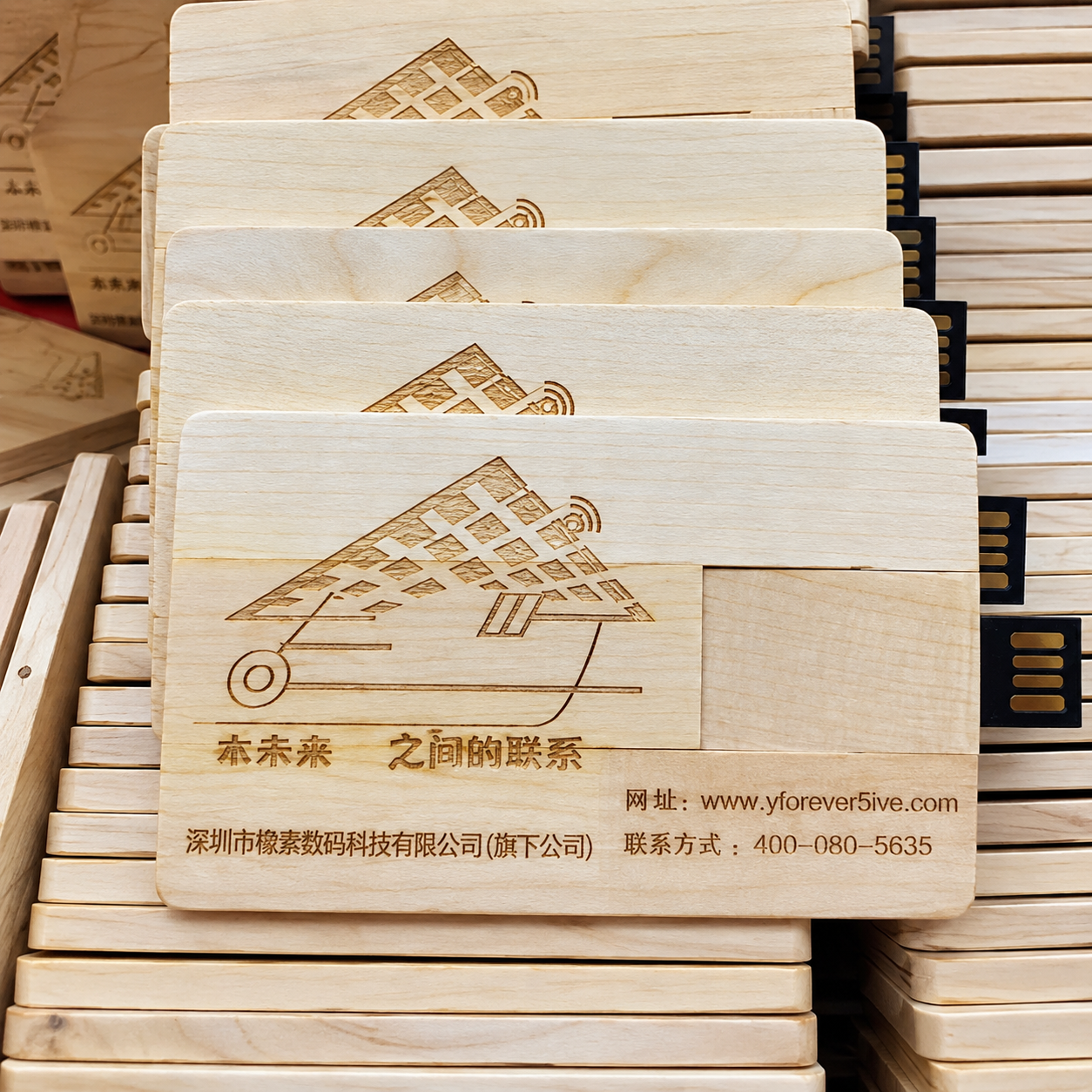
Wood is not shelf-stable forever once it is boxed. Humidity, the packaging material around the drive, and how long the box actually sits in storage all affect condition, not just the length of the trip from the factory. If you go the bulk route, confirm your packaging can handle your specific storage window between the delivery date and your actual distribution date, and ask what humidity and temperature range that packaging is rated to protect against.
If you go the scheduled route instead, the risk moves from storage to batch-to-batch consistency. Wood grain, stain color, and cap fit can shift slightly between production runs even on an identical order, and capacity or connector interface can drift too if a component gets substituted between runs. Before you place a second or third batch against the same design, check what keeps appearance and specs matching across reorders, and set real acceptance criteria against a kept sample, not just a visual glance, covering appearance (wood tone and grain against your approved reference), capacity (actual tested capacity, not just the labeled figure), and interface type. For a first bulk run above your usual quantity, a small sample batch before full production catches a cap or port problem before it exists in 500 pieces instead of five.
Bulk upfront vs. scheduled batches
| Faktor | Bulk order upfront | Scheduled batches | Confirm before you rely on this |
|---|---|---|---|
| Unit price | Lowest per piece at your volume tier | Resets closer to baseline each reorder | Your actual price tier from a current quote, not a general rule |
| Mold fee | Paid once, fully absorbed | Paid again unless the factory holds your mold | Mold retention period, reuse terms, and reduced re-tooling fee, in writing |
| Cash flow | One larger payment | Spread across smaller payments | Payment terms and deposit structure for your order size |
| Storage need | High, for the full order | Low, holds only current batch | Your packaging's rated storage window and conditions |
| Branding consistency | Identical across the whole run | Needs a consistency check each reorder | Acceptance criteria against a kept sample for each reorder |
| Beste Passform | Fixed calendar, known annual volume | Irregular bookings, shifting client logos | Your own volume pattern, not a generic buyer type |
FAQ
How much buffer should I add to a bulk wooden USB order?
Don't default to a flat percentage. Calculate it from your lead-time demand (average monthly usage times your lead time in months) plus a safety-stock cushion sized to your own demand swings, and add any known breakage or storage-loss rate as a separate line. Send your real distribution numbers and the team can help confirm what that calculation looks like for your specific order.
Will I pay the mold fee again if I split my order into scheduled batches?
Not necessarily, but don't assume it either. Confirm with the factory whether your mold is kept on file between orders, for how long, and whether reuse is free or charged at a reduced fee, and get that answer in writing. A scheduled reorder against the same design can skip or reduce the mold fee once those terms are documented, which narrows the cost gap between bulk and scheduled ordering considerably.
What's a safe reorder trigger point for scheduled batches?
Set it at the stock level that still covers your full production and shipping lead time, not at zero. Example ranges run 10 to 15 business days for a standard stock design and 20 to 35 business days for a custom mold or premium packaging, plus your shipping method's transit time, but confirm the current range for your specific SKU and order date rather than relying on these examples directly.
Can I mix capacities or logo versions within one bulk order to simplify planning?
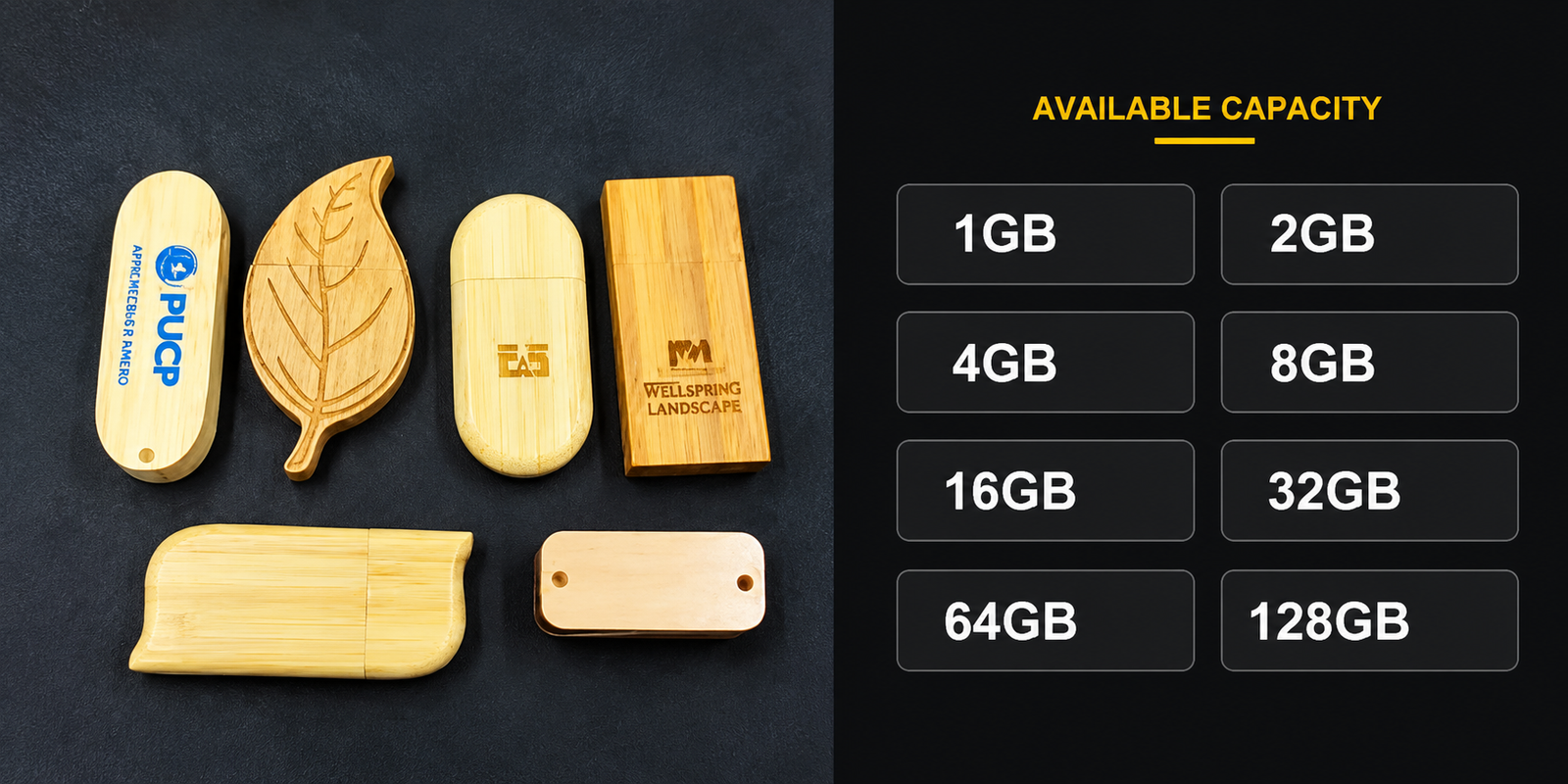
Yes, factories handle mixed-capacity and mixed-design runs inside a single order. Send your full breakdown by quantity and spec and get a single combined quote rather than filing separate orders.
 Deutsch (Österreich)
  English
  Español de México
  Italiano
  Русский
  Français
  Türkçe
  Bahasa Melayu