
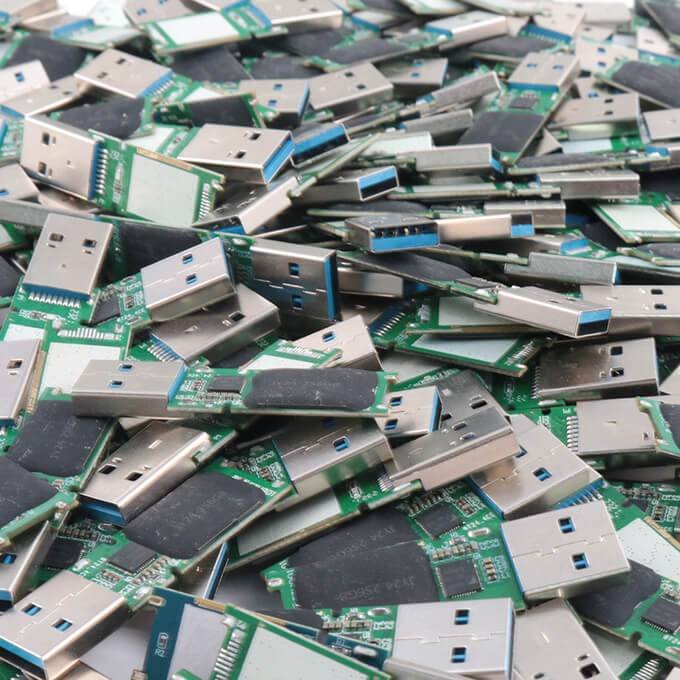
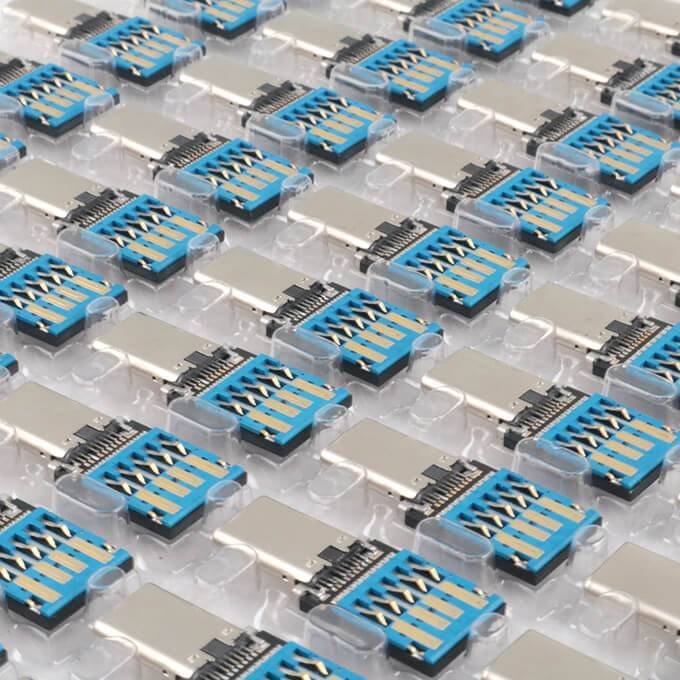
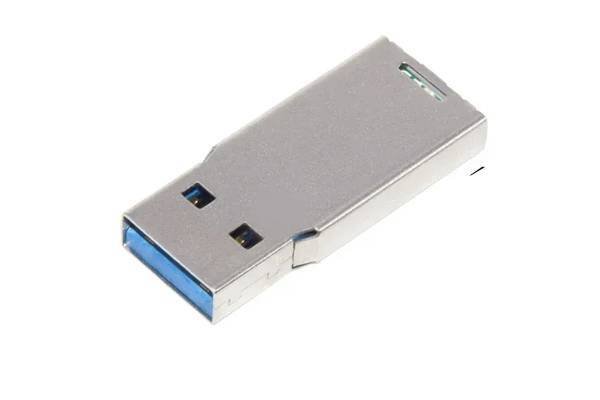
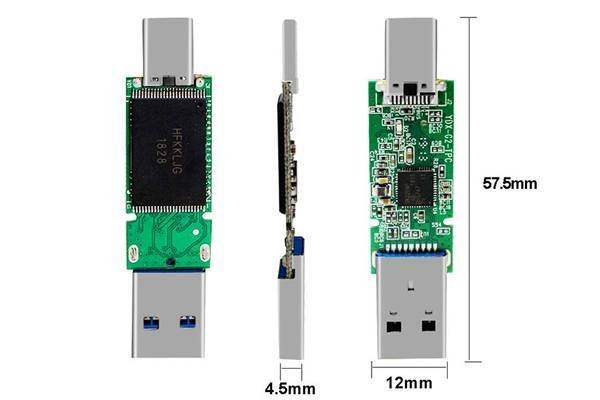
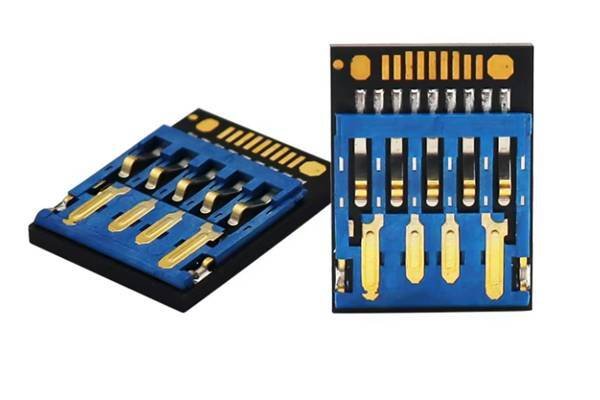
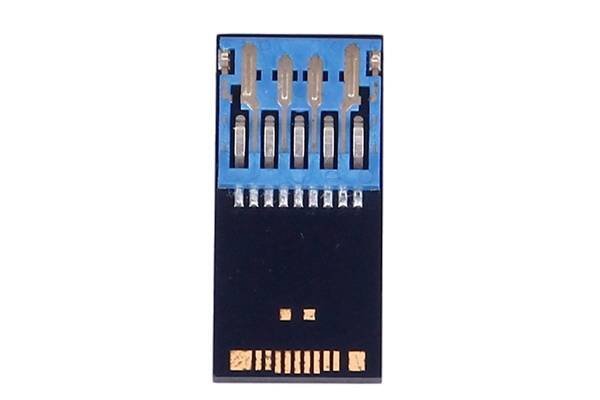


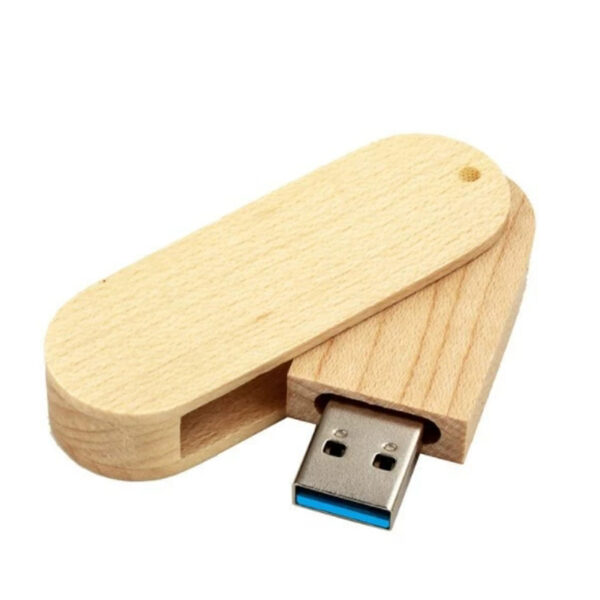
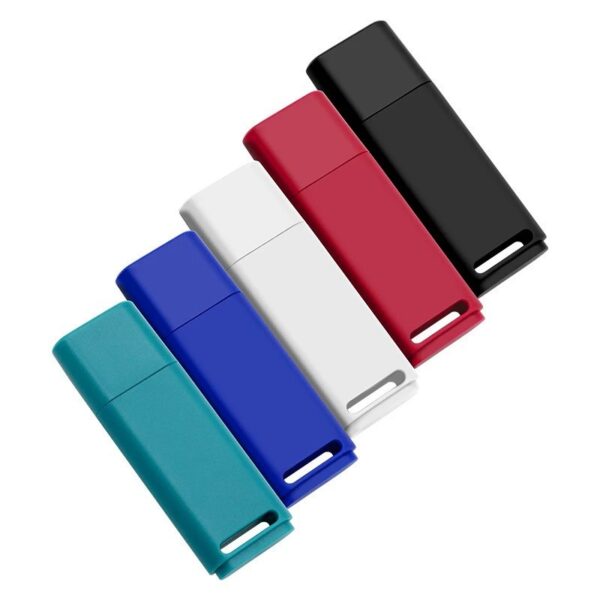


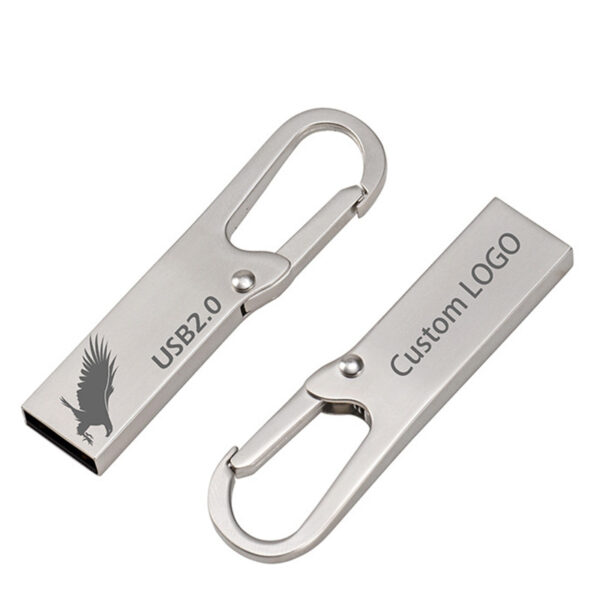
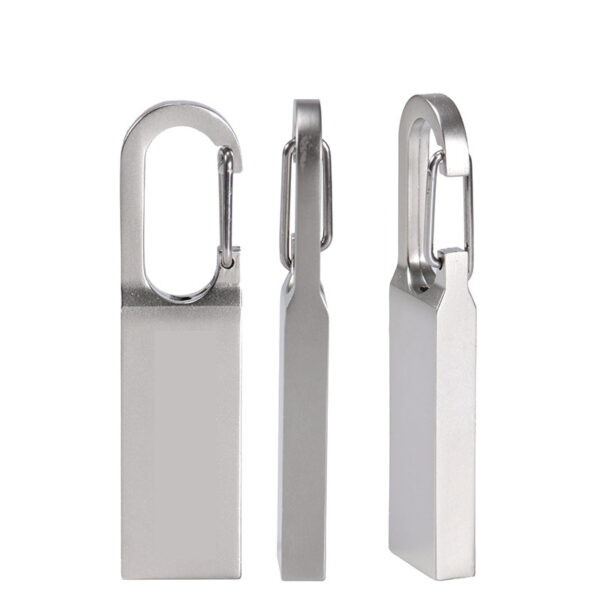

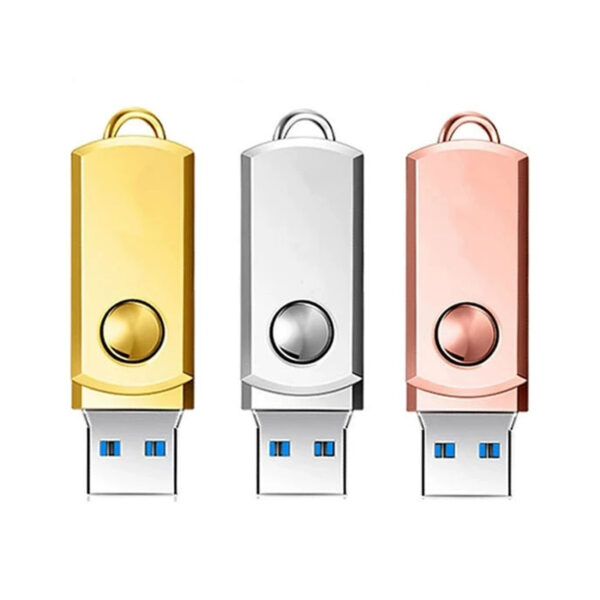
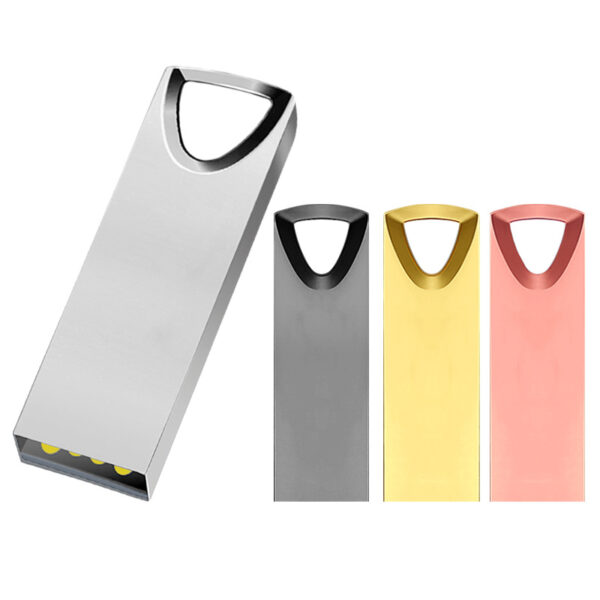
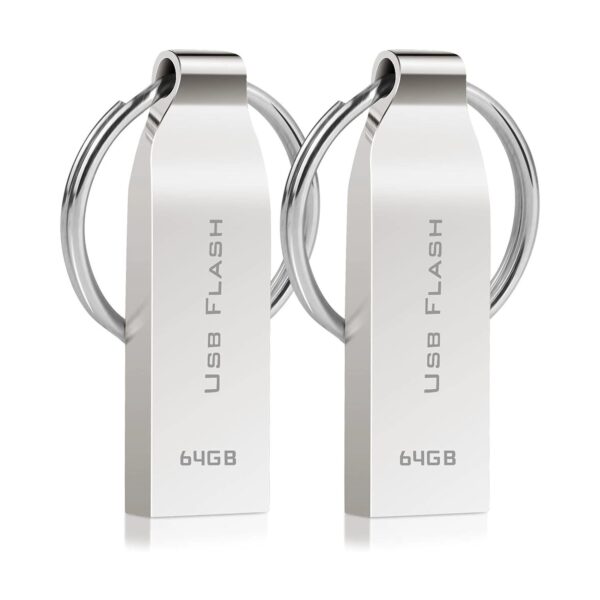
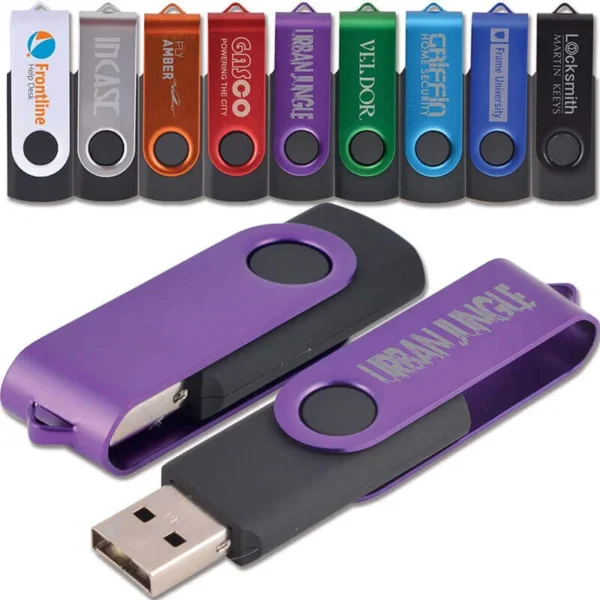


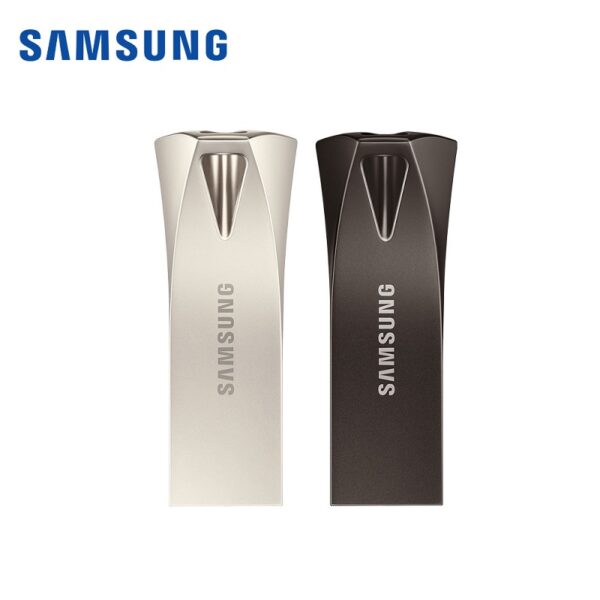

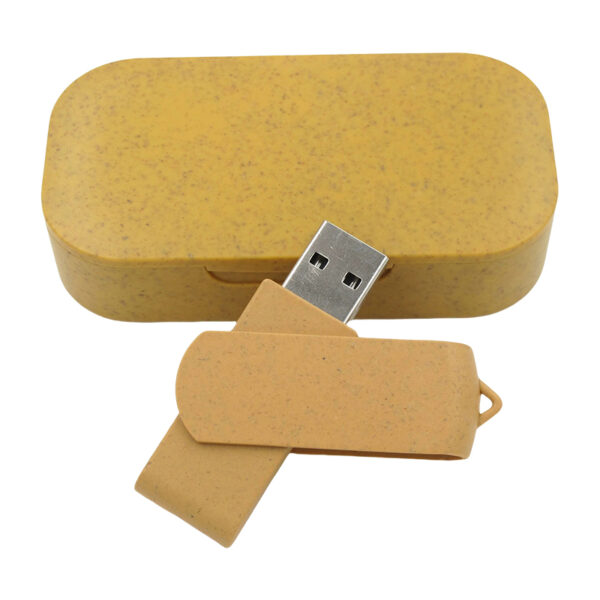
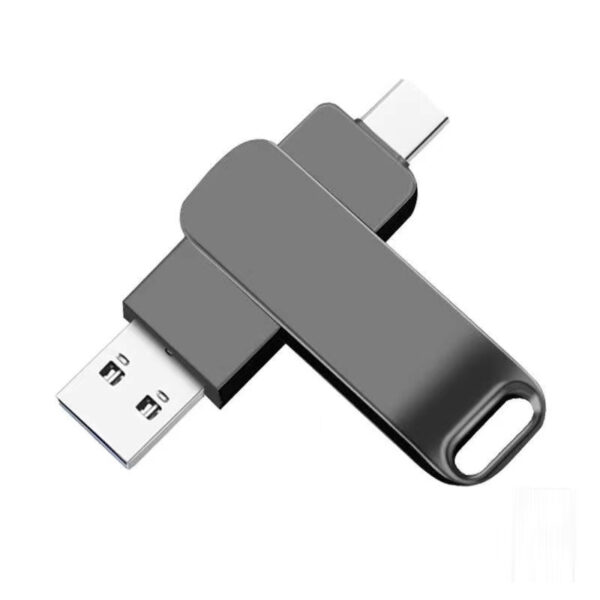
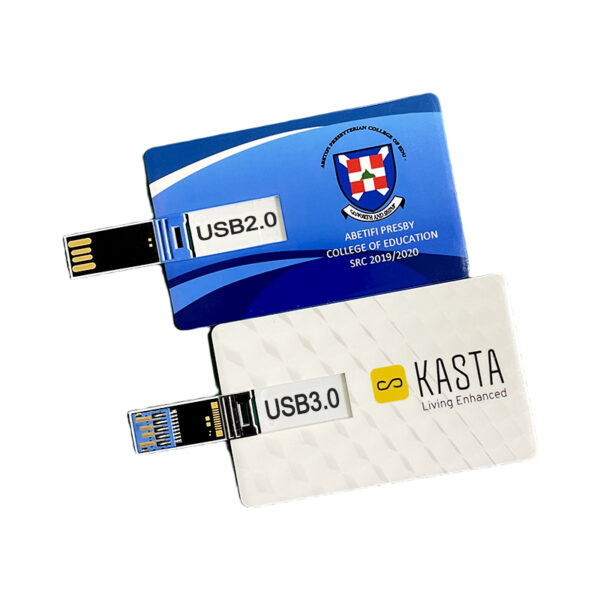


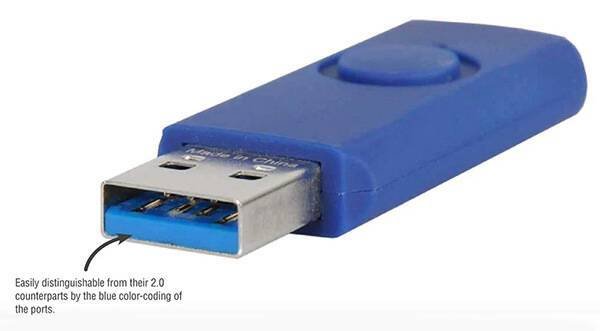
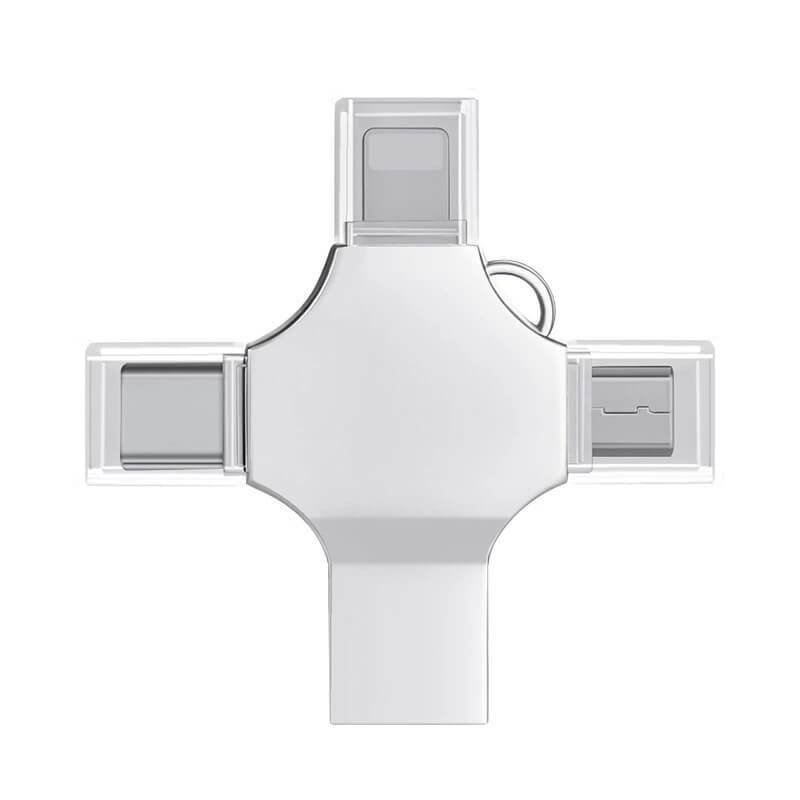
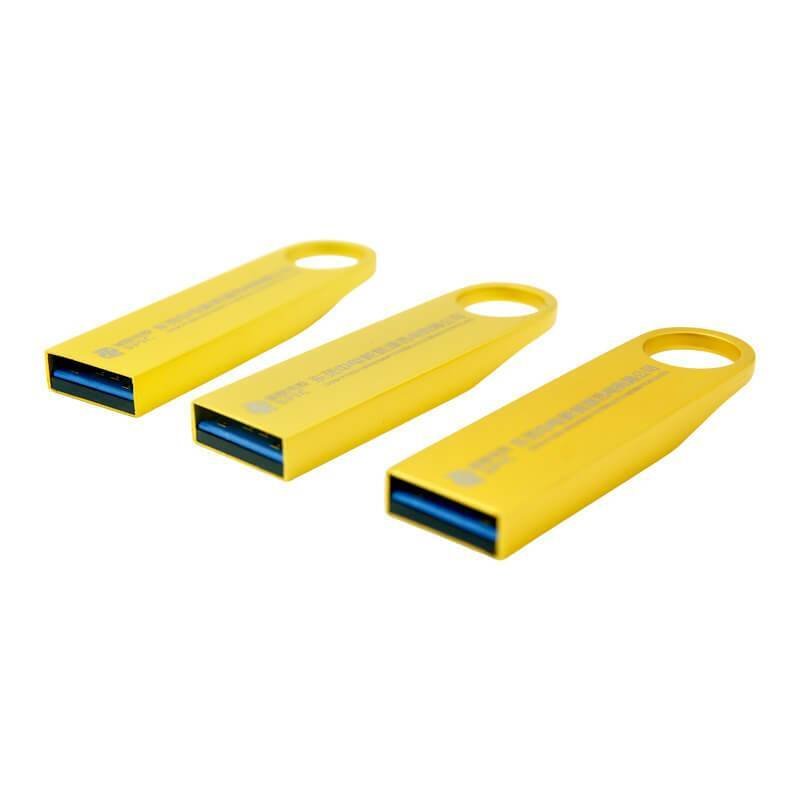
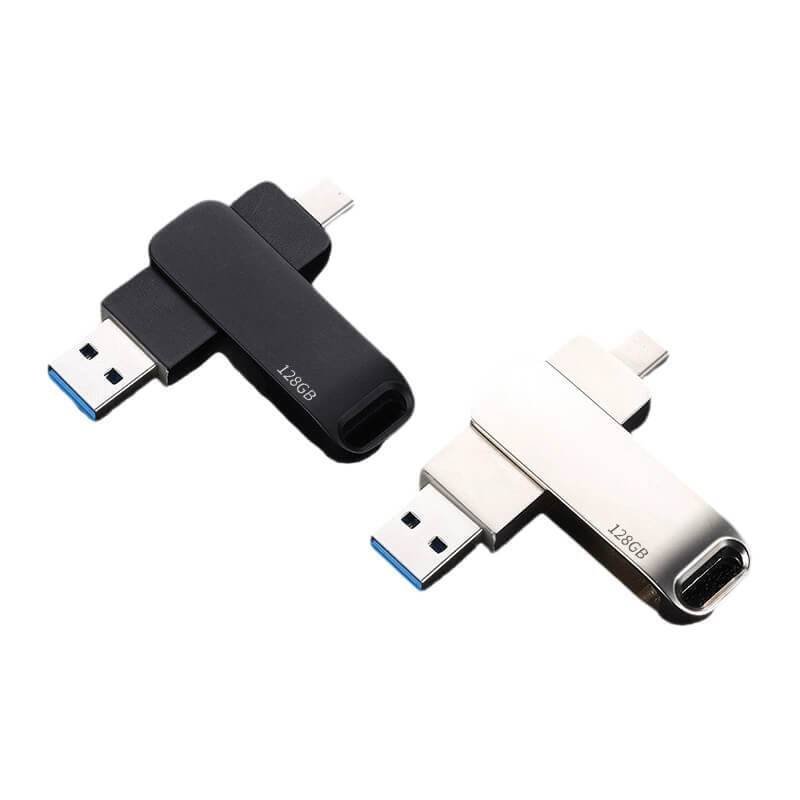
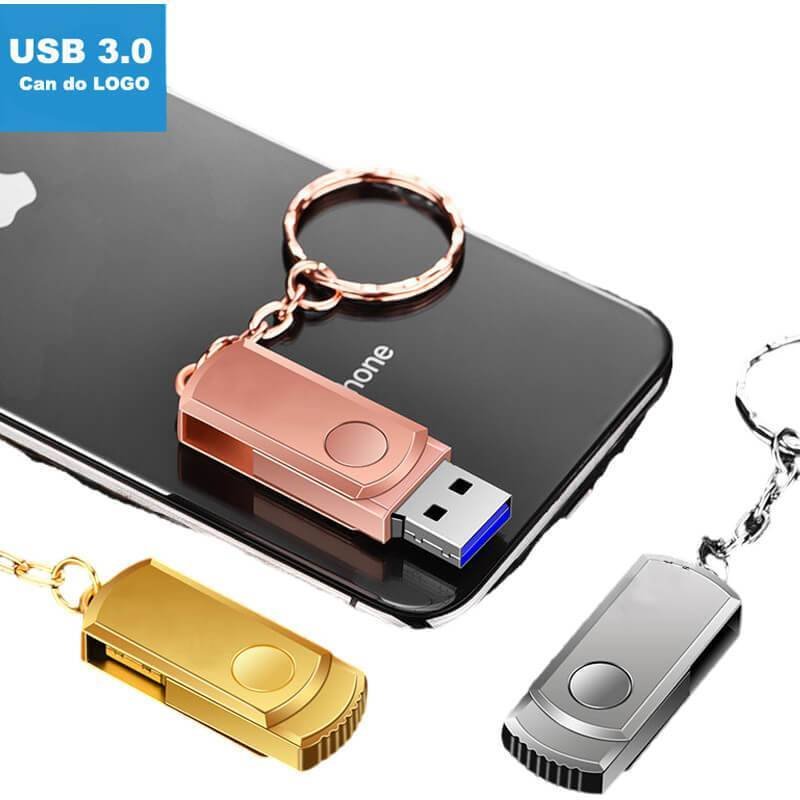
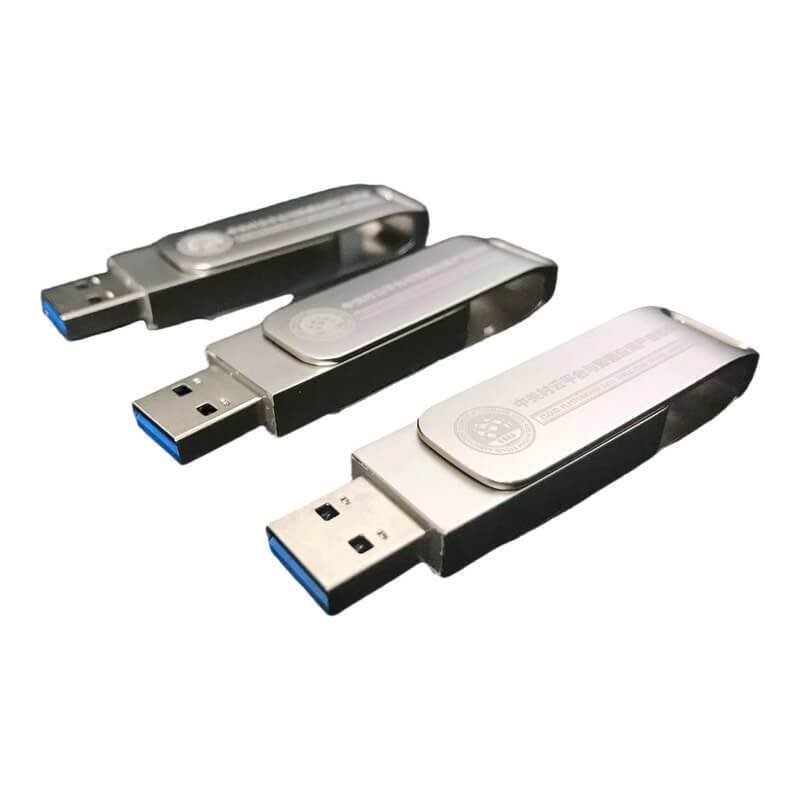
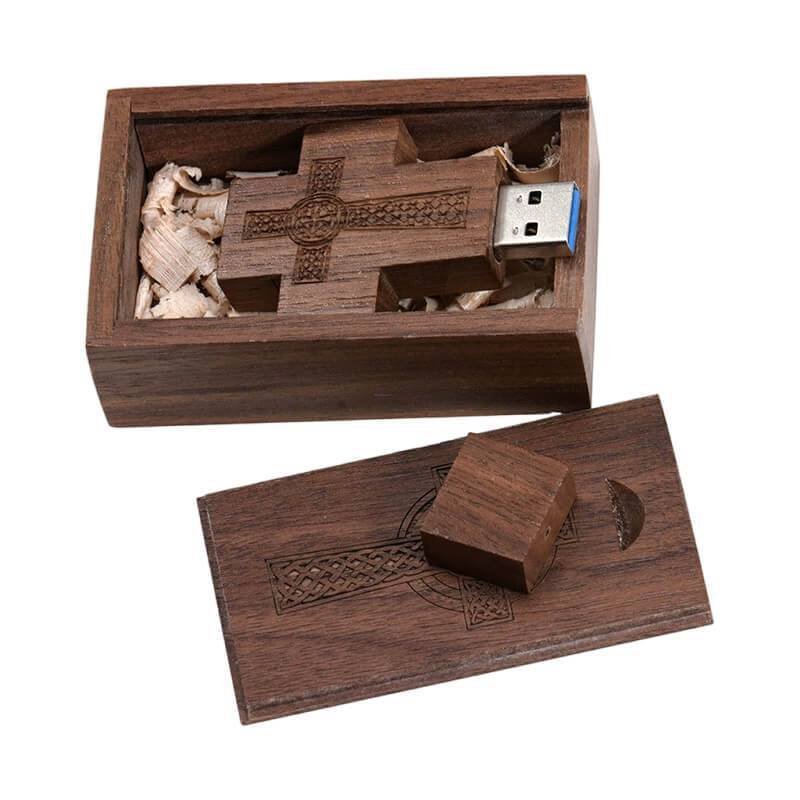
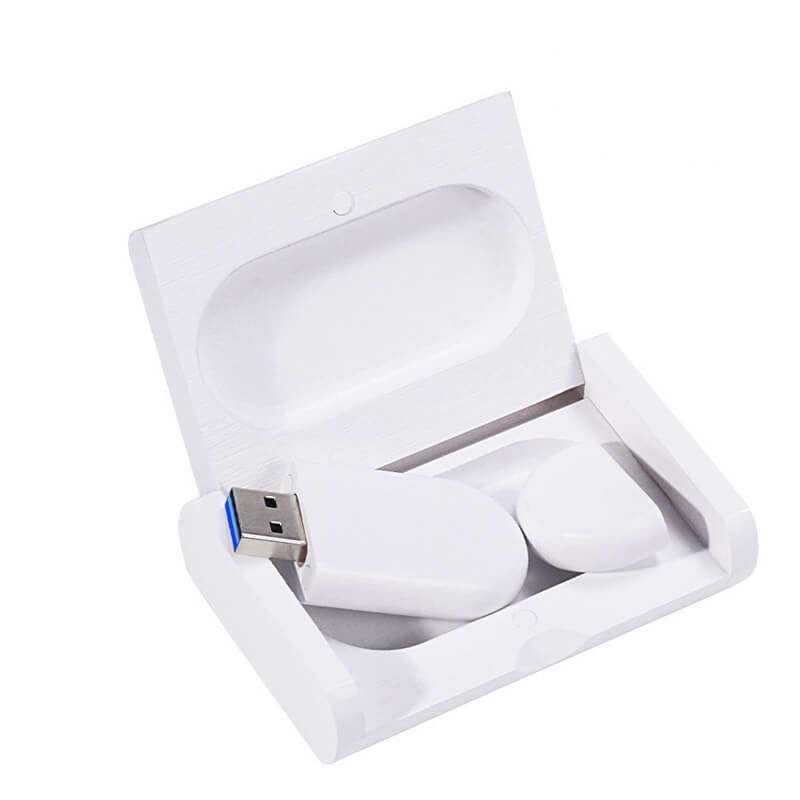
El color más típico y común para los puertos USB 3.0 es el azul. Se trata de un estándar de identificación ampliamente adoptado por la industria. Ya se trate de los puertos USB de tipo A de los ordenadores centrales, los puertos de las estaciones de acoplamiento externas o los puertos de las propias memorias USB, el azul se ha convertido en la principal característica visual del USB 3.0, lo que permite a los usuarios distinguirlo rápidamente de los puertos tradicionales.
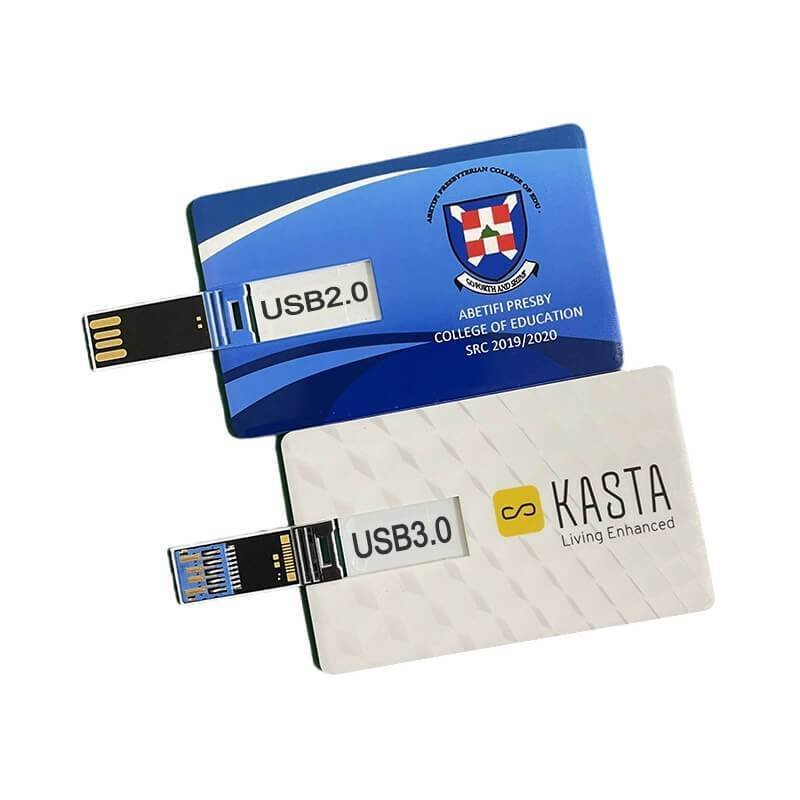
Sin embargo, hay algunas excepciones: algunas marcas pueden optar por puertos USB 3.0 negros o blancos para alinearse con la estética general del diseño de su producto. Estos casos son relativamente raros, y estos puertos suelen llevar etiquetas de texto como "USB 3.0" o "SuperSpeed USB" cerca para evitar confusiones con los puertos USB 2.0 (que suelen ser negros o blancos).
Compatible, pero la velocidad será limitada:
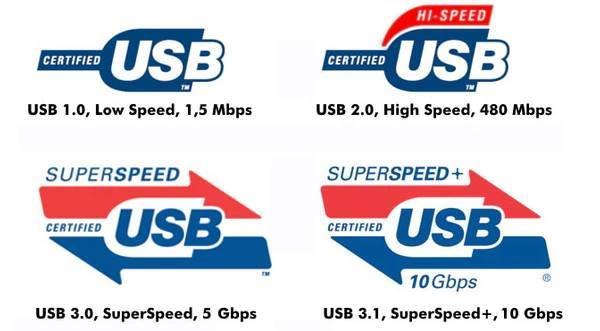
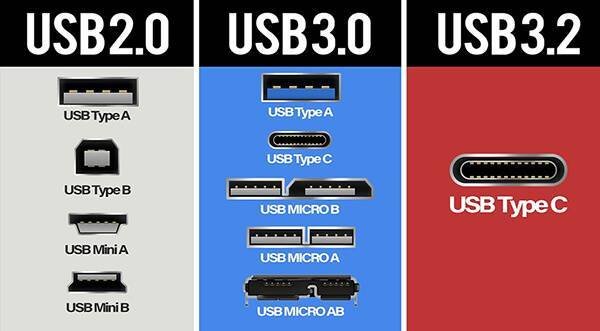
Compatibilidad de puertos: USB 3.0 es compatible con versiones anteriores y posteriores. Cuando se conecta a un puerto USB 4.0 (normalmente de factor de forma Type-C), se necesita un "adaptador de USB-A a Type-C", pero las velocidades de transferencia reales se limitarán al límite de USB 3.0 (5 Gbps).
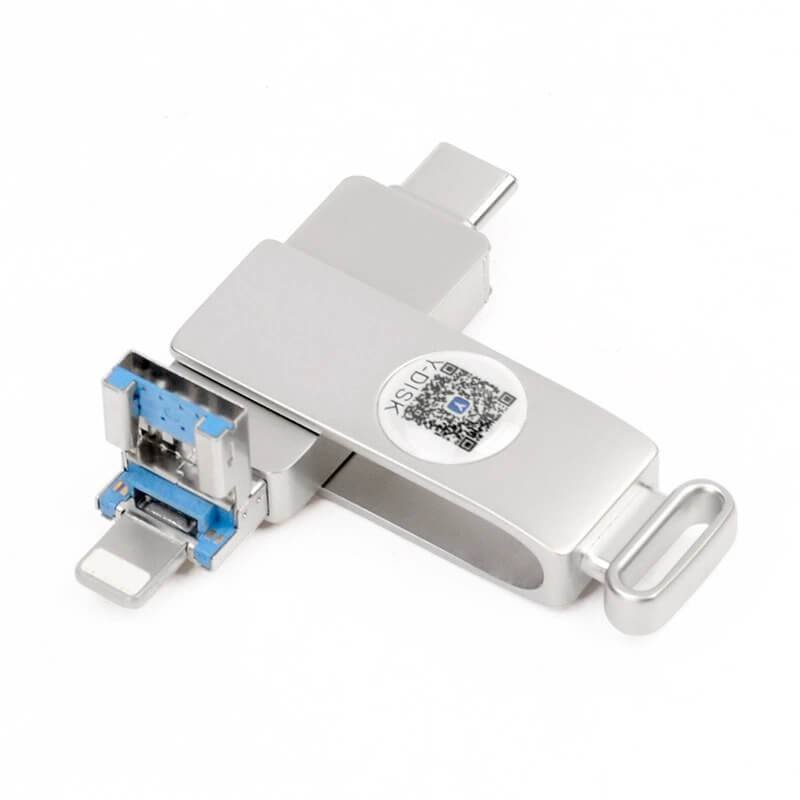
Nota: Si la unidad flash tiene un puerto Type-C pero utiliza USB 3.0 (por ejemplo, las unidades flash mini Type-C), puede conectarse directamente a un puerto Type-C para obtener una compatibilidad más estable sin necesidad de un adaptador.
Solucione el problema siguiendo estos pasos:
En primer lugar, pruebe con otro puerto u ordenador: Cambie a otro puerto USB 3.0 o pruebe en otro ordenador para descartar problemas con el puerto;
Compruebe los controladores: Haga clic con el botón derecho del ratón en "Este PC" → 'Administrar' → "Administrador de dispositivos". Compruebe si "Controladores de bus serie universal" muestra un signo de exclamación amarillo. Si está presente, actualice los controladores USB;
Diagnostique los problemas de hardware: Si varios ordenadores no reconocen la unidad, puede indicar una conexión floja del puerto USB o un chip dañado. Ponte en contacto con el servicio de atención al cliente o sustituye la unidad USB.
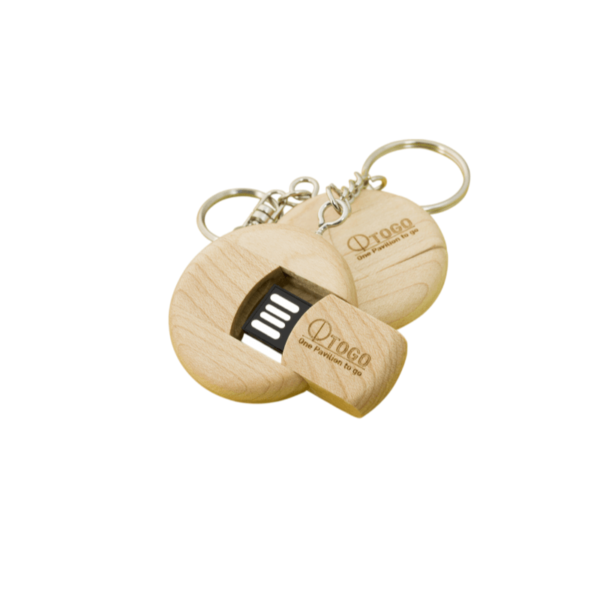
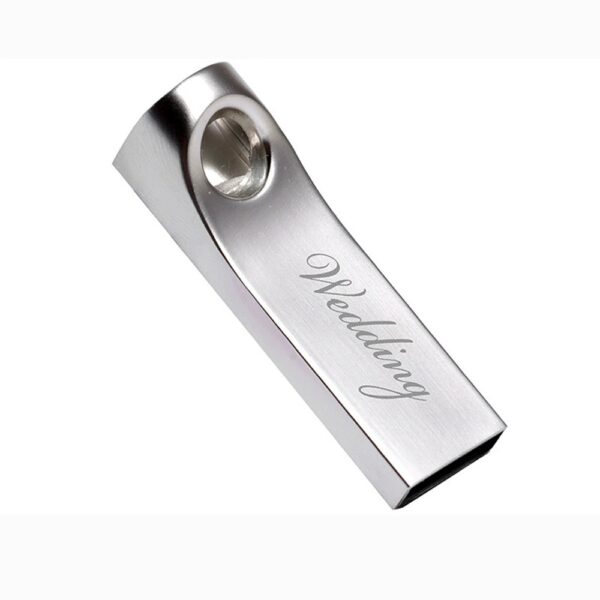
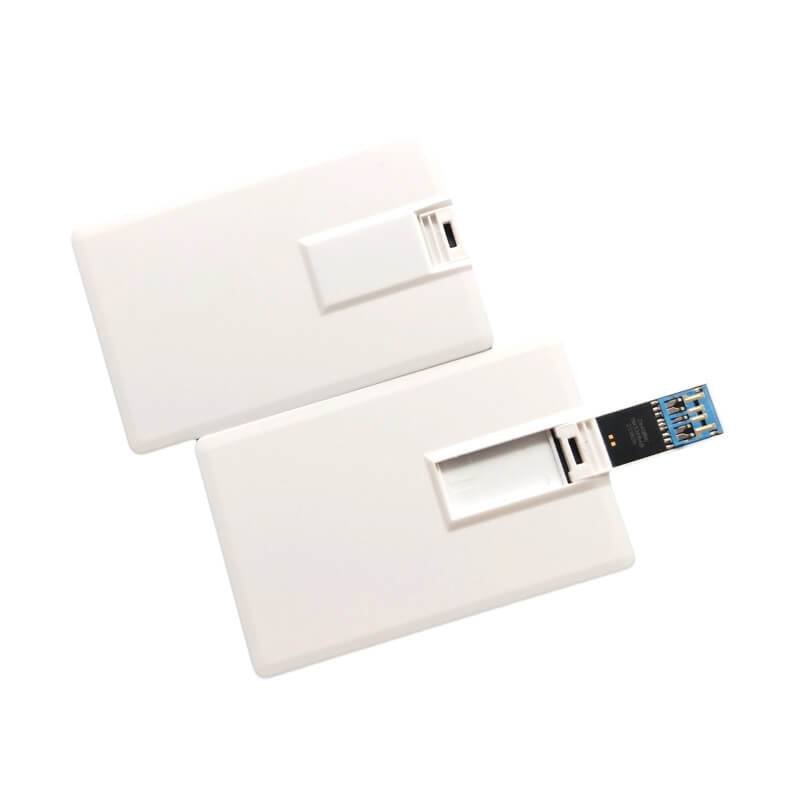
Los fabricantes de memorias USB exigen una cantidad mínima de pedido, que suele oscilar entre 100 y 200 unidades. Sin embargo, los pedidos personalizados de lotes más pequeños son negociables:
Los lotes más grandes tienen costes unitarios más bajos (por ejemplo, los pedidos de menos de 200 unidades pueden tener un precio unitario 10%-20% más alto), lo que los hace ideales para regalos de empresa, eventos promocionales y situaciones similares.
 Español de México
  English
  Italiano
  Deutsch (Österreich)
  Русский
  Français
  Türkçe
  Bahasa Melayu