
Ein Marken-USB-Stick verlässt entweder Ihren Stand und wird jahrelang genutzt, oder er verlässt Ihren Stand und landet vor dem Heimflug in einem Hotelmülleimer. Der Unterschied ist kein Zufall – er hängt davon ab, was Sie vorinstallieren, welche Form Sie wählen und wem Sie ihn geben.
Hier ist die Kurzversion. Laden Sie den USB-Stick mit echten Inhalten vor, nicht nur mit einem Logo. Wählen Sie eine Form, die signalisiert, was Sie tun. Halten Sie die Speicherkapazität klein – 4–16 GB ist reichlich – und geben Sie die Ersparnis für die Verpackung aus. Überreichen Sie Sticks nach einem echten Gespräch, nicht aus einer offenen Schale. Und fügen Sie einen QR-Code und eine klare Call-to-Action-Datei hinzu, damit der Stick weiterarbeitet, nachdem Sie nach Hause geflogen sind.
YOUSAN hilft Ihnen, genau diesen USB-Stick zu bauen: eine Direktfabrik seit 2011 mit kostenloser Datenbespielung, individuellen Formen ab einem Werkzeugpreis von 50 $, sauberer Gravur und Druck, Chips der Güteklasse A sowie kostenlosem Design und kostenlosen Mustern. Dieser Leitfaden zeigt Schritt für Schritt, wie Ihr Messe-USB-Stick seine Sichtbarkeit wirklich auszahlt.
Warum der USB-Stick den Stift überdauert
Jeder verteilt Kugelschreiber, denn sie sind nicht teuer – und Sie tun dasselbe. Gehen Sie in irgendeinen Showroom, und Sie sammeln bis zum Mittagessen ein Dutzend. Dann kommen Sie nach Hause, und diese Stifte wandern in eine Schublade, in einen Kinderrucksack oder in den Müll. Niemand hat Ihren Stift drei Jahre lang auf dem Schreibtisch liegen und erinnert sich jedes Mal, wenn er ihn in die Hand nimmt, an Ihr Unternehmen.
Wenn es um einen USB-Stick geht, ist das ein anderes Spiel. Er ist schwer, er hat einen Zweck. Stellen Sie sich vor, Sie sind als mittelgroßes Etikettenunternehmen auf einer Verpackungsmesse, und Ihr Stick liegt neben den Stiften vom Stand gegenüber. Dieser Stift ist nach 2 Wochen trocken. Sie befestigen Ihren Stick weiterhin am Schlüsselanhänger und stecken ihn jedes Mal in Ihren Laptop, wenn jemand eine Datei verschiebt – und jedes Einstecken hinterlässt einen Eindruck.


Das ist echte Mathematik! Ein Stift soll weniger kosten, verschleißt aber schnell. Ein Stick kostet etwas mehr, hält aber jahrelang. Schauen Sie sich die Kosten pro Klick an und teilen Sie diese Zahl durch die Anzahl der Male, die jemand tatsächlich Ihr Logo gesehen hat, und Sie werden sehen, dass dies mehr Bang for your Buck ist als eine digitale Anzeige, die in einer halben Sekunde vorbeigescrollt wird. Es ist nicht der Verkauf eines Objekts, sondern der Verkauf von Zeit auf dem Schreibtisch von jemandem – und dann noch etwas mehr Zeit auf dem Schreibtisch von jemandem.
Was Sie laden, zählt mehr als der Stick selbst
Der häufigste Fehler bei YOUSAN ist die Bestellung eines USB-Sticks nur mit Logo. Ein Käufer denkt, das Logo erfüllt den Zweck. Das tut es nicht. Der einmalige Nutzen eines leeren Marken-Sticks: Wenn jemand seine Urlaubsfotos darauf kopiert, verschwindet Ihr Logo, sobald der Stick nicht mehr in dessen Besitz ist.
An opened, preloaded drive is opened intentionally, over and over. So fill it. Upload your product catalogue as a PDF. Include a brief sample video – 90 seconds, not 10 minutes. Provide a current spec or pricing sheet and have the purchaser verify the information, rather than emailing you. Add a clickable shortcut or index page that opens your landing page as soon as they explore the drive.
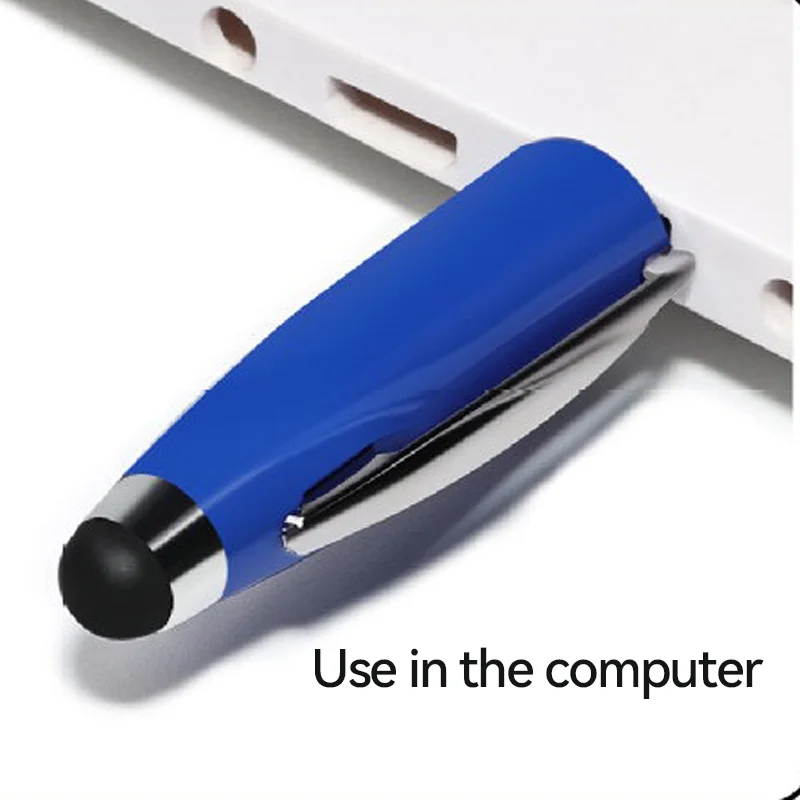
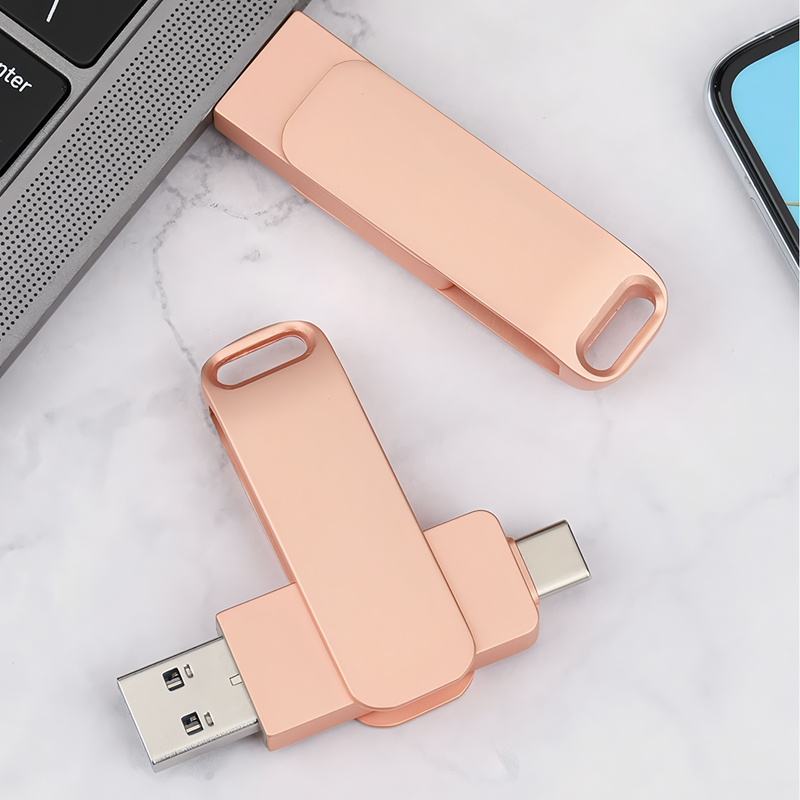
Ein SaaS-Unternehmen geht mit … zu einer Fintech-Konferenz. Werbe-USB-Sticks die eine vierminütige Video-Produkttour und einen Link zu einer kostenlosen Testversion enthalten. Wie so oft wurden die Sticks einige Zeit in Laptoptaschen aufbewahrt. Drei Wochen nach der Messe steckte ein Käufer einen an einem langsamen Nachmittag ein, startete die Testversion und schloss den Deal im folgenden Monat ab. Der Vertriebsmitarbeiter war nirgends in der Nähe – der Stick verkaufte das Produkt von selbst.
Leere Sticks werden weggeworfen. Bespielte Sticks werden angeschaut. Das ist der ganze Unterschied.
Die Form ist Ihr zweiter Händedruck
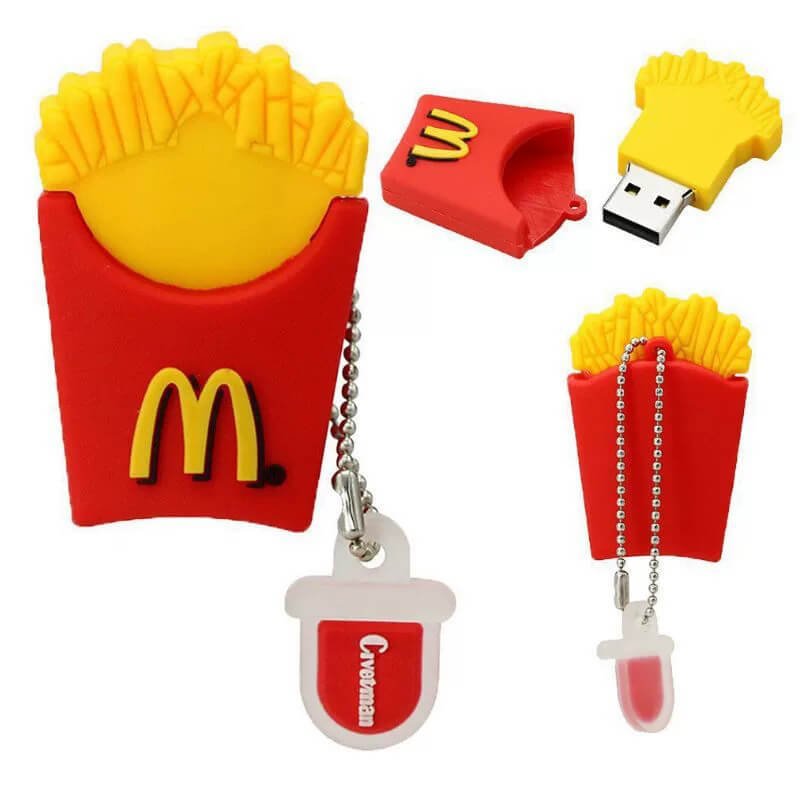
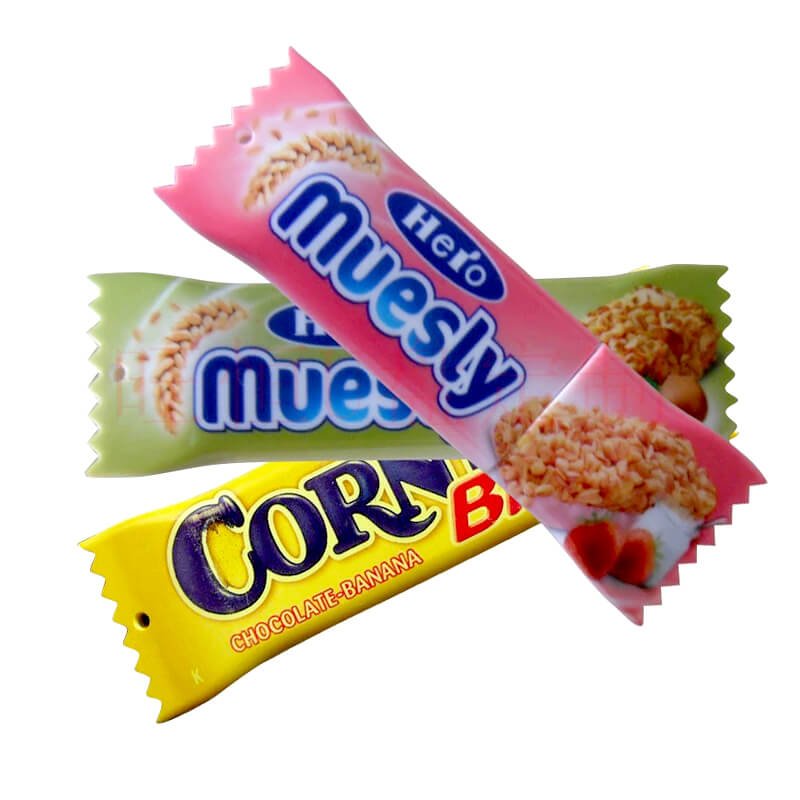
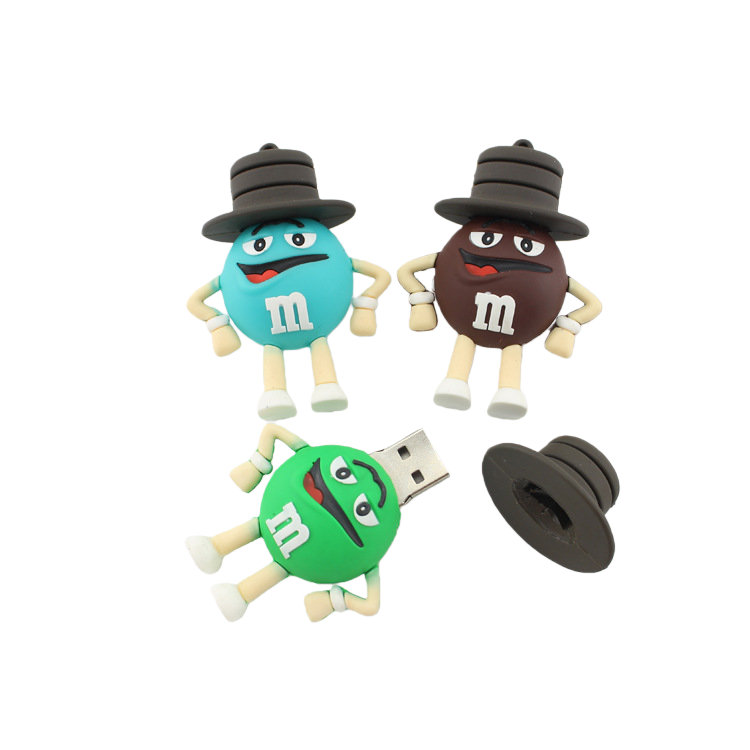
Ein Rechteck funktioniert. Es hält den Chip, es trägt ein Logo, und niemand erinnert sich eine Stunde später daran. Wenn Sie möchten, dass der USB-Stick mehr tut, als nur da zu liegen, geben Sie ihm eine Form, die sagt, was Sie tun, bevor irgendjemand ein Wort liest.
Ein Automobilzulieferer brachte ein individuell geformter USB-Stick geformt wie ein Schraubenschlüssel zu einer Aftermarket-Messe. Eine kleine Sache – aber sie verbreitete sich. Die Teilnehmer sagten einander, sie sollten den Schraubenschlüssel-USB-Stick von Stand 1140 holen, und fragten nach der Standnummer. Solche Mundpropaganda kann man nicht kaufen, und ein schlichtes Rechteck verdient sie sich nie.

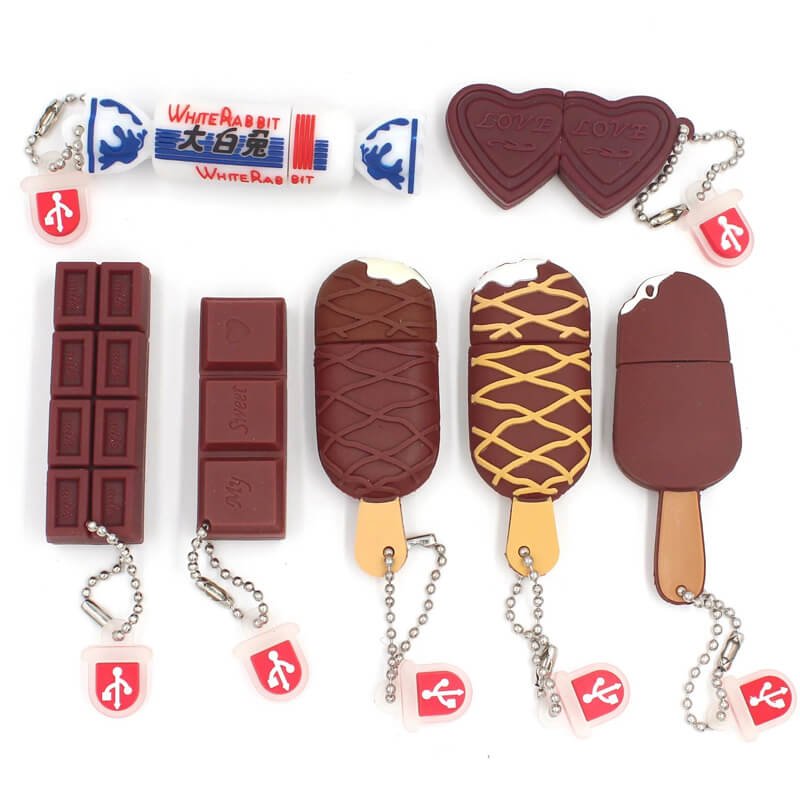
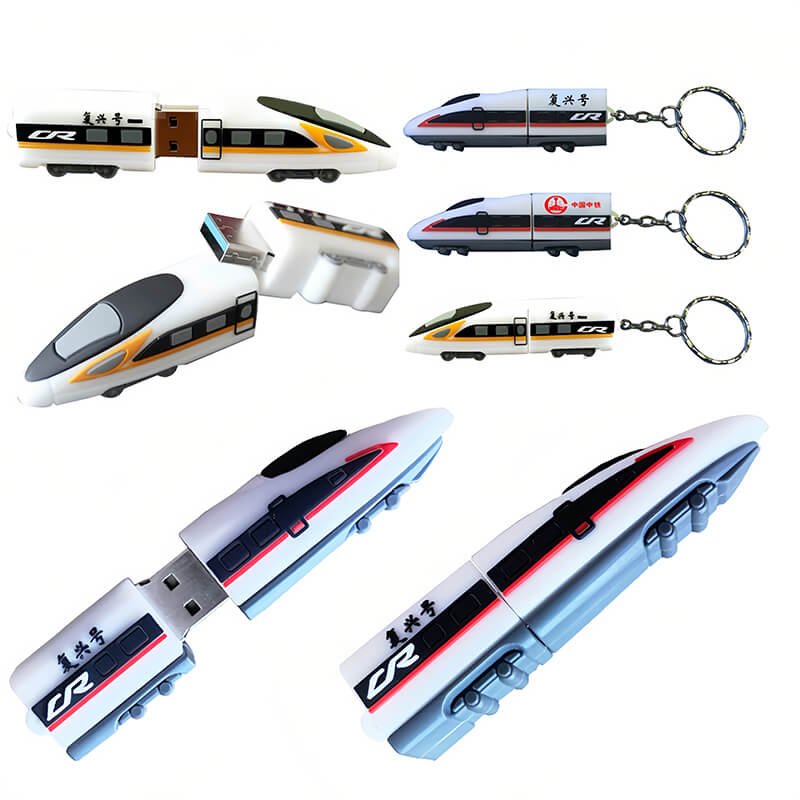
Die Form muss jedoch etwas bedeuten. Ein Schraubenschlüssel für ein Werkzeugunternehmen ergibt Sinn; ein Schraubenschlüssel für ein Softwareunternehmen ist nur ein verwirrender Schraubenschlüssel. Binden Sie die Form an Ihr Produkt, Ihre Branche oder das, was Kunden bereits sehen, wenn sie an Sie denken. Ein Kaffeeröster macht eine Bohne, eine Brauerei eine Flasche, eine Baufirma einen Schutzhelm. Wenn die Form zur Marke passt, behalten die Menschen sie auf einem Regal als Objekt, nicht nur als Speicherstick – und jeder Blick bringt Sie zurück in ihre Gedanken.
Zahlen Sie nicht für Lagerkapazität, die niemand nutzt
Hier verschwenden Käufer stillschweigend Geld. Die Annahme ist, dass größer besser aussieht – ein 128-GB-USB-Stick wirkt großzügiger als ein 8-GB-Stick. Aber der Besucher kann die Speicherkapazität nicht sehen. Niemand nimmt einen Stick in die Hand und fühlt die Gigabytes; man nimmt Form, Druck und Verpackung wahr, nicht eine innen gestanzte Zahl.
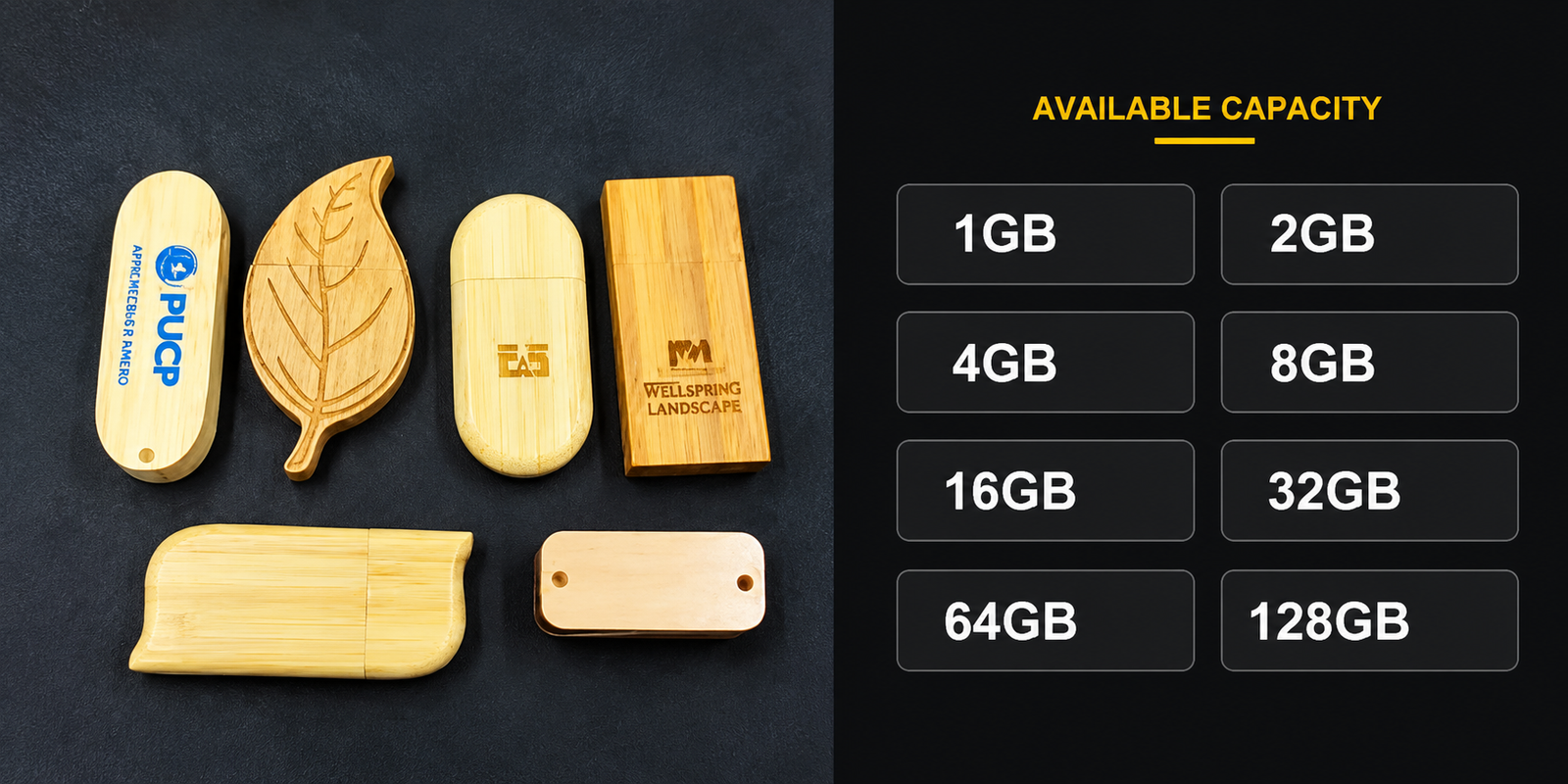
Für eine Messe reichen 4 GB bis 16 GB für alles, was Sie brauchen. Ein paar Gigabytes decken problemlos einen Katalog, ein Demo-Video, ein Datenblatt und einige hochauflösende Bilder ab. Passen Sie die Größe an Ihren Inhalt an – mit unserem Ratgeber zur USB-Speicherkapazität, und dieser Bereich deckt die meisten Messestände ab.
Ein Baustoffunternehmen bestellte einst 128GB-USB-Sticks für eine Baumesse. Auf die Frage, was darauf gespeichert werden sollte, lautete die Antwort: eine einzige vier Megabyte große PDF-Broschüre – ein Aufpreis für fast vollständig leeren Speicherplatz. Investieren Sie diese Differenz stattdessen in die Verpackung: eine bedruckte Box, einen dickeren Clip, ein edleres Finish. Genau dort fasst der Besucher Ihre Marke an, also geben Sie dort aus, wo es sichtbar ist.
Behandeln Sie Sticks nicht wie Süßigkeiten
Hier stolpern die meisten Messestände – und das hat nichts mit dem USB-Stick selbst zu tun. Es kommt darauf an, wie Sie ihn überreichen.
Hundert USB-Sticks in einer offenen Schale auf dem Fronttisch – und sie sind weg. Das klingt nach Erfolg, ist es aber nicht. Die meisten werden an Sammler verkauft, die ein paar Stück mitnehmen, nichts aussortieren und sie noch am selben Abend in eine Hotelschublade stopfen. Sie haben bares Geld bezahlt, um die Schublade eines anderen zu füllen.
Wenn ein USB-Stick nach einer echten Interaktion (einer echten Frage, einem Kartentausch, einem momentanen Interesse) in die richtige Hand fällt, ist der Stick gerettet. Jetzt hat der Stick eine Bedeutung. Der Besucher erinnert sich an das Gespräch, verbindet den Stick mit einer Person statt mit einem Stapel Papier und nimmt später Kontakt auf.
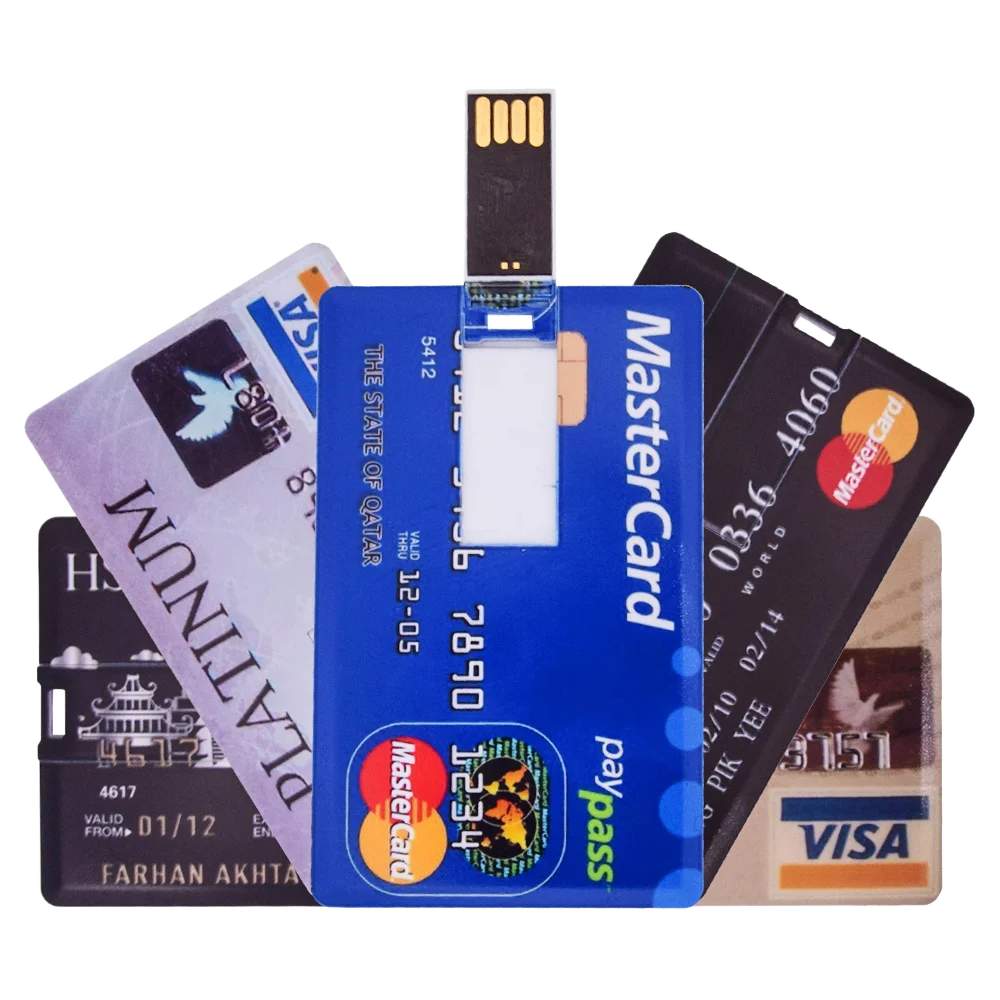
USB-Stick im Kartenformat
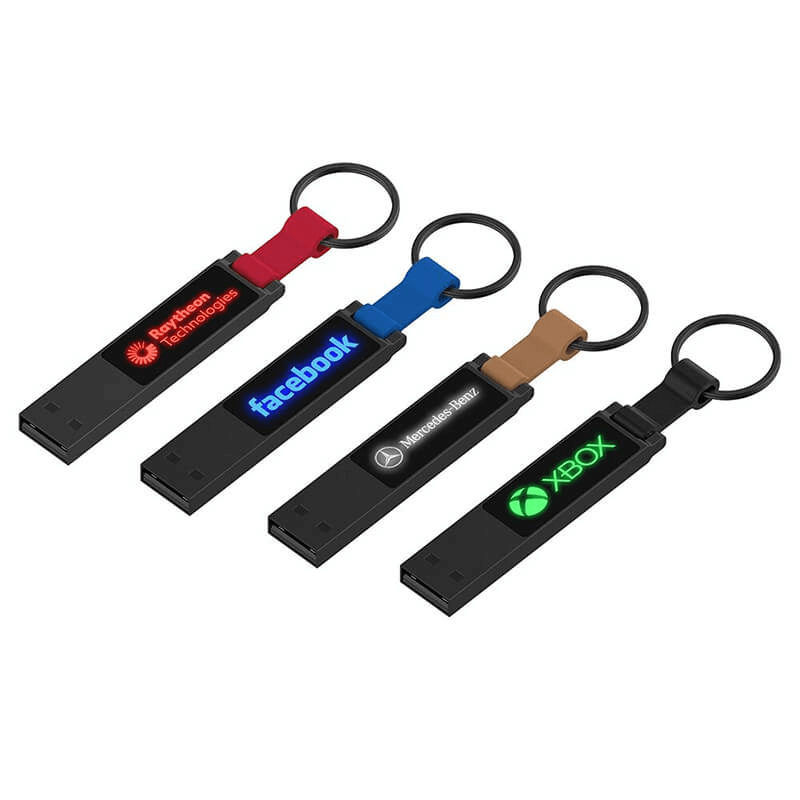
Metall-Leucht-USB-Stick
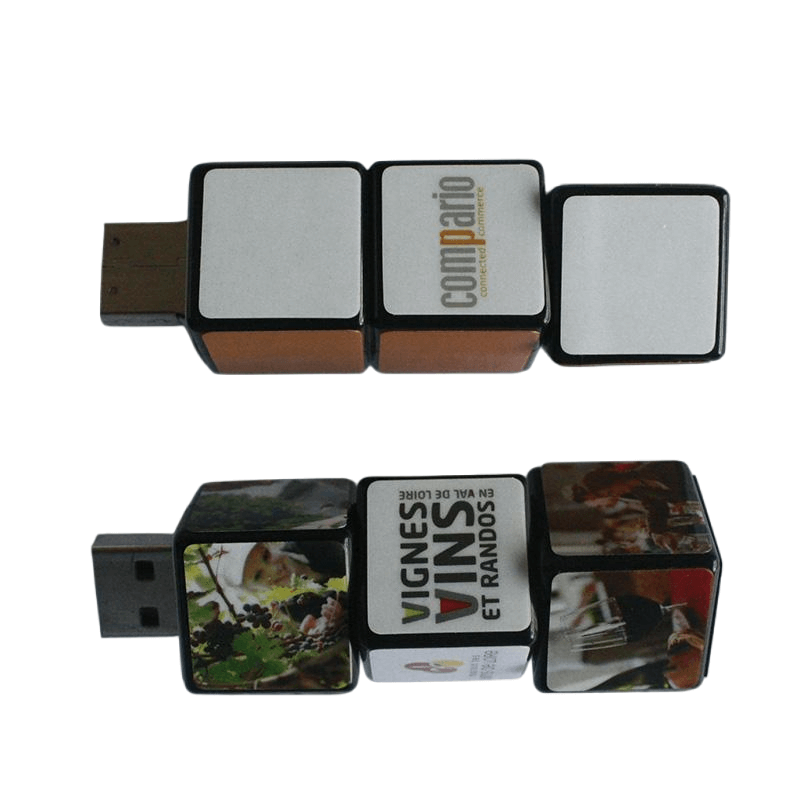
Blockmontage-USB-Stick
Genau das tat ein Cybersicherheitsanbieter auf einer Tech-Messe! Im Jahr 1 war die Schale am Tag 1 um 12:00 Uhr leer, mit wenig Follow-through danach. Nach der anfänglichen Stand-Demo gaben sie die Schale auf und reichten Sticks im zweiten Jahr von Hand weiter. Sie verschenkten auch weniger Sticks, zu geringeren Kosten, aber der Verkehr, der von diesen Sticks zur Landing-Page nach der Messe kam, nahm zu, und das Vertriebsteam hatte Namen anzurufen. Mehr Produktion bei weniger Lieferungen, da es darauf ankam, die richtigen Hände zu erreichen. Behandeln Sie den Stick als Werkzeug für qualifizierte Interessenten, nicht als Süßigkeit für die Menge.
Der USB-Stick funktioniert auch nach Ihrer Heimreise weiter
Wenn die Messe vorbei ist, fliegen Sie nach Hause – aber der Stick arbeitet weiter, wenn Sie ihn richtig einsetzen.
Platzieren Sie einen QR-Code auf der Box, der sichtbar ist, sobald jemand die Box aufnimmt, und führen Sie ihn auf eine spezifische Landingpage für diese Messe, statt auf eine generische Startseite. Wenn der Besucher ihn später scannt, setzt er dort fort, wo der Stand aufgehört hat.
Include a call-to-action file on the USB drive as well. Name it something that people will be tempted to click, such as “Start Here” or “Book a Demo,” instead of “file1.” Include other contact information, too, such as a vCard or a single page containing your name, email address and direct line. The more accessible you are, the quicker a readymade buyer can move.
A health care event prompted a medical-device company to track this. They placed a QR link on their landing page, in order to know where the traffic originated from. Several weeks after the show, visitors continued to trickle in from QR codes on the drive packaging – long after the badges had ended up in the recycling. Each scan was an individual who maintained the drive and who became inquisitive and directed their phone at the box. It’s a one-time cost that will provide exposure for months, a drive on a desk, silently working for you.
Einen Stick bauen, der genutzt wird
Bevor Sie ein Angebot anfordern, halten Sie diese Angaben bereit:
- Zeigen Sie Datum und erwartete Anzahl qualifizierter Gespräche
- Stick-Design oder individuelle Form
- Speicherkapazität (4–16 GB reicht für die meisten Messestände)
- Vorab zu ladende Dateien (Katalog, Demo-Video, Datenblatt, Visitenkarte)
- Logo- und Verpackungswünsche (bedruckte Box, Clip, Oberfläche)
- QR-Landingpage und Termin
Sagen Sie dem YOUSAN-Team, was Sie laden, drucken und formen möchten – Sie erhalten ein Direktangebot ab Werk, zugeschnitten auf Ihre Messe. Kontakt um einen Messe-Stick zu bauen, der lange nach dem Abnehmen der Besucherbadges weiter funktioniert.
FAQ
Welche USB-Stick-Speicherkapazität eignet sich ideal als Messe-Giveaway?
4 GB bis 16 GB reichen für die meisten Messen völlig aus – ein Katalog, ein Demo-Video, ein Datenblatt und einige Bilder, mit Platz im Überfluss. Besucher können den zusätzlichen Speicherplatz eines 128-GB-Sticks nicht sehen, daher erhöht das Bezahlen dafür nur die Kosten, ohne mehr Sichtbarkeit zu bringen. Wählen Sie die kleinste Größe, die Ihren Inhalt fasst, und investieren Sie die Ersparnis in die Verpackung.
Soll ich Messe-USB-Sticks mit Inhalten vorbespielen oder leer lassen?
Bespielen Sie sie – jedes Mal. Ein leerer USB-Stick wird formatiert und für persönliche Dateien wiederverwendet, und Ihr Logo verschwindet schon am ersten Tag. Ein bespielter Stick – mit Katalog, Demo und Kontaktdaten – enthält Ihre Inhalte noch Tage oder Wochen nach der Messe, und genau dann sollen sie wirken.
Lohnt sich eine individuelle Form für eine einmalige Messe?
Oft ja. Eine Form, die an Ihr Produkt gebunden ist, wird als Gegenstand aufbewahrt und auf dem Messegelände besprochen – das schafft ein schlichtes Rechteck nie. Der Trick liegt in der Relevanz: Ein Schraubenschlüssel für eine Werkzeugmarke funktioniert, eine zufällige Form verwirrt die Menschen nur. Wenn Ihr Budget es zulässt und die Form zu Ihrer Marke passt, zahlt sie sich in der Regel aus – selbst bei einer einzigen Messe.
Wie viele Messe-USB-Sticks sollte ich bestellen?
Bestellen Sie für die Besucher, die Sie tatsächlich erreichen möchten, nicht für jeden, der vorbeigeht – das Überreichen von Sticks an qualifizierte Interessenten ist besser, als eine Schale in die Taschen von Fremden zu leeren. Schätzen Sie Ihre echten Gespräche über alle Messetage hinweg, kalkulieren Sie einen kleinen Puffer ein und bestellen Sie danach. Für genaue Mengen und Lieferzeiten sprechen Sie direkt mit Ihrem Lieferanten.
Soll jeder Messebesucher einen USB-Stick erhalten?
Nein, und Ihr Budget wird es Ihnen danken. Sticks, die nach einem echten Gespräch überreicht werden, werden weit häufiger genutzt als Sticks, die aus einer Schale gegriffen und bis zum Abendessen vergessen werden. Heben Sie sie sich für Besucher auf, die echtes Interesse zeigen, und überlassen Sie Stifte den beiläufigen Passanten.
 Deutsch (Österreich)
  English
  Español de México
  Italiano
  Русский
  Français
  Türkçe
  Bahasa Melayu