

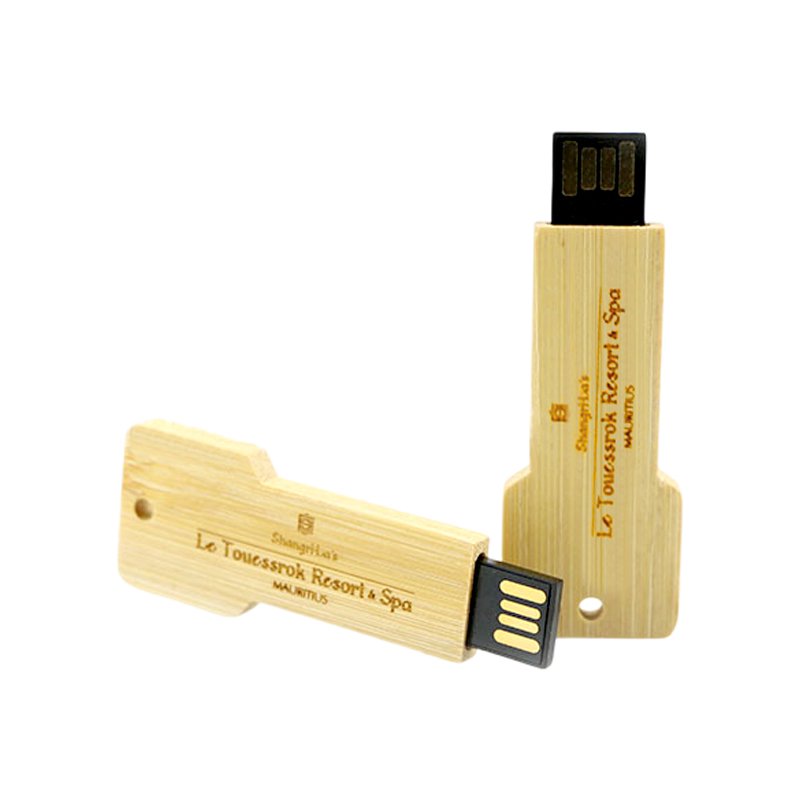
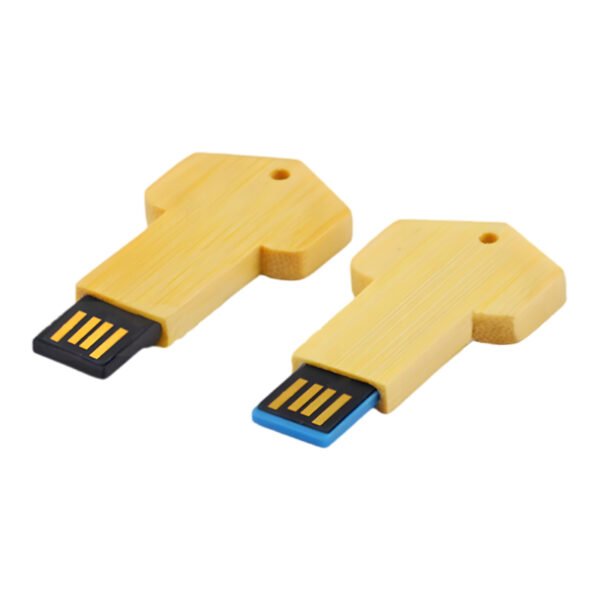
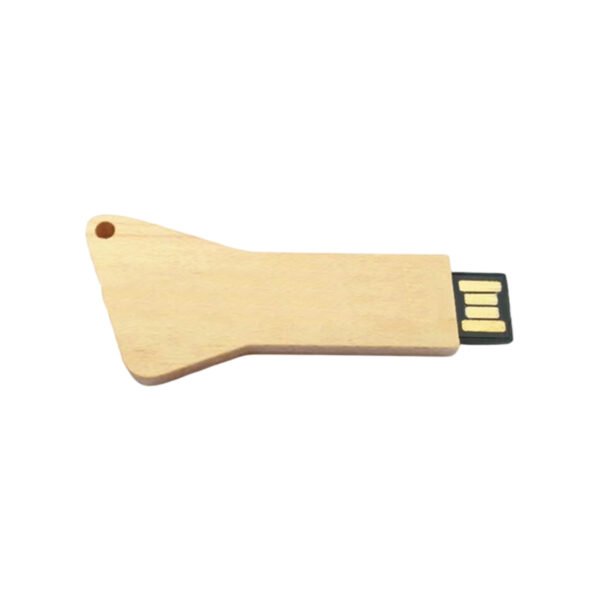
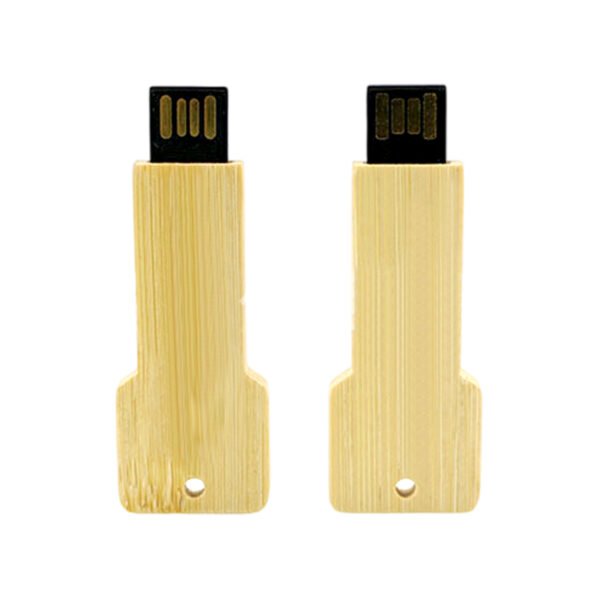
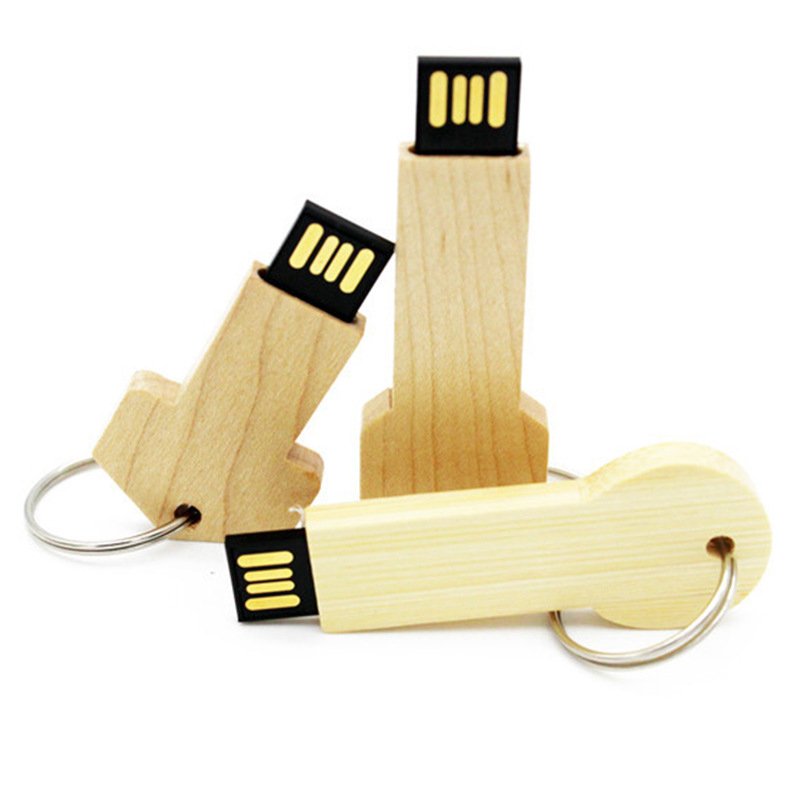
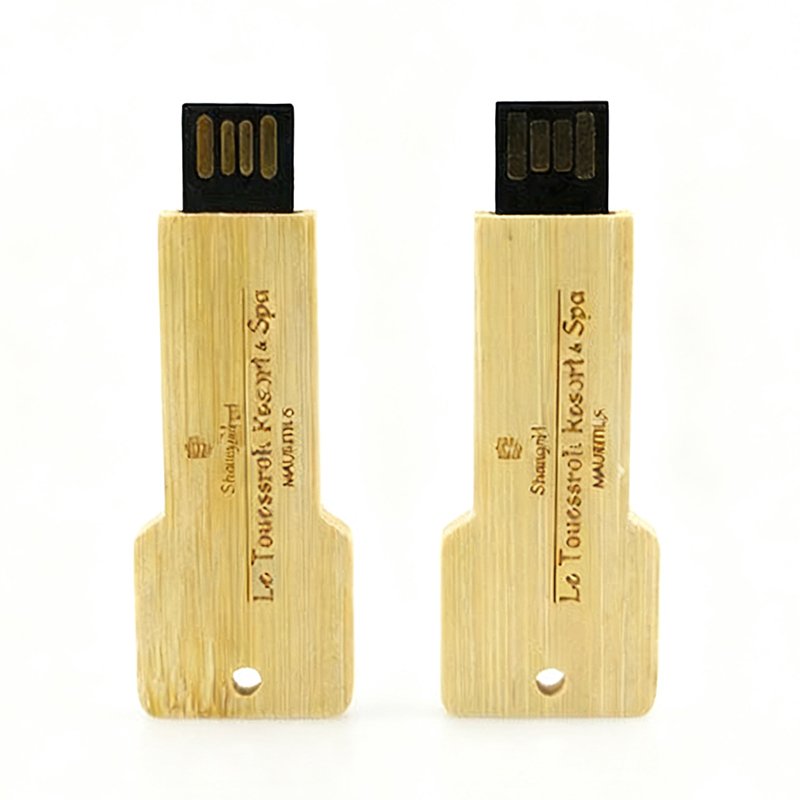


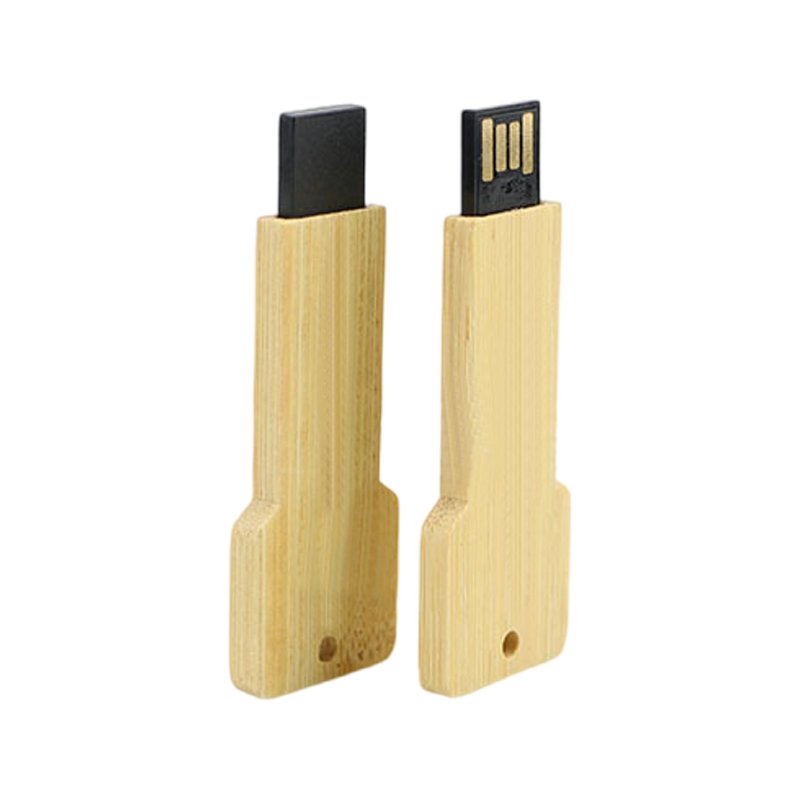
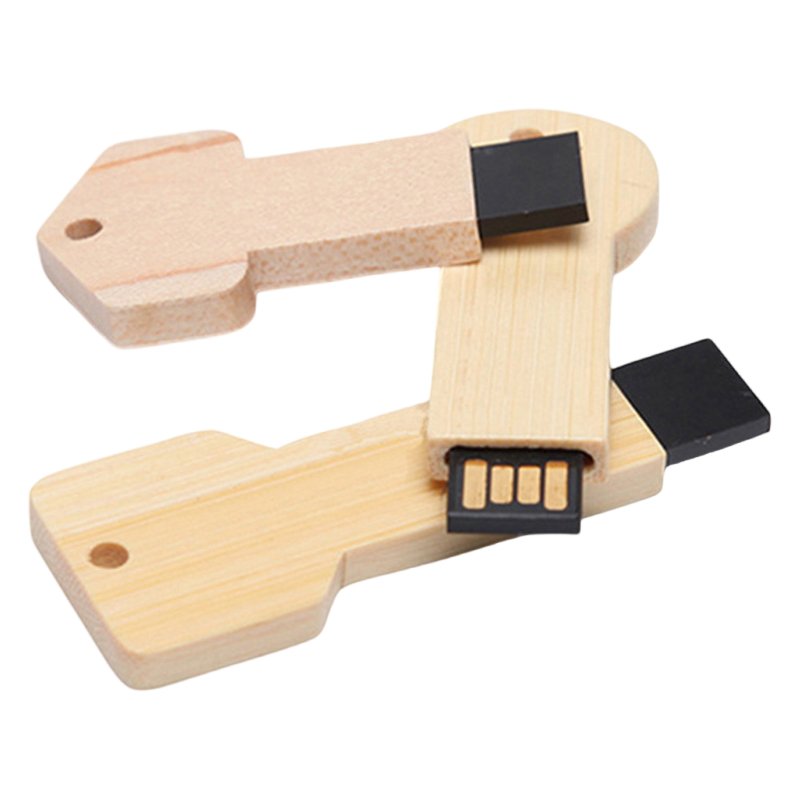
Wooden keys and USB drive cases are crafted from natural wood, typically selecting materials like solid wood, walnut, maple, or bamboo.
These are shaped through CNC carving and hand-polishing, with surfaces treated with waterproof resin or finished with a lacquer-free polish. The natural wood grain and color variations during cutting result in subtle differences between each finished USB drive.
Storage capacities range from 128MB to 1TB, with mainstream options being 32GB and 64GB, meeting everyday office needs and photo storage requirements The interface types include USB 2.0, USB 3.0, and USB-C.
Wooden Key USB Drives can obtain FSC certification, but must meet stringent supply chain and material requirements. Below is a detailed analysis combining FSC certification rules with industry practices:
1. Core Logic and Scope of FSC Certification
FSC (Forest Stewardship Council) certification aims to ensure the sustainable sourcing of wood and wood products with transparent supply chains, covering all wooden items. Specifically for wooden key USB drives:
Material Requirements: The wooden casing must be made from FSC-certified wood (e.g., FSC 100% certified wood or containing FSC mixed materials).
Supply Chain Traceability: The entire chain from log harvesting to finished product assembly must be certified under the Chain of Custody (FSC-COC) system, ensuring each batch of wood is traceable to compliant forests.
2. Key Certification Steps and Practical Examples
1. Material Procurement and Supply Chain Management
Wood Sourcing: Select FSC-certified timber suppliers (e.g., FSC-FM certified forests) and require FSC raw material procurement documentation (e.g., FSC Mixed Forest Certificate).
Supply Chain Documentation: Establish a comprehensive traceability system recording every step from harvesting to processing (e.g., transport documents, processing records) to comply with FSC’s Material Balance Principle.
2. Certification Process and Costs
Application Phase: Contact an FSC-authorized certification body (e.g., SGS, BV) and submit company information, supply chain documentation, and product design drawings.
Audit Phase:
Document Review: Verify timber sourcing documentation and supply chain traceability records.
On-site Audit: Assess whether production processes comply with FSC standards (e.g., absence of non-certified timber contamination).
 English
  Español de México
  Italiano
  Deutsch (Österreich)
  Русский
  Français
  Türkçe
  Bahasa Melayu